 English
 Español
Just write us your request & we will take care of the rest.
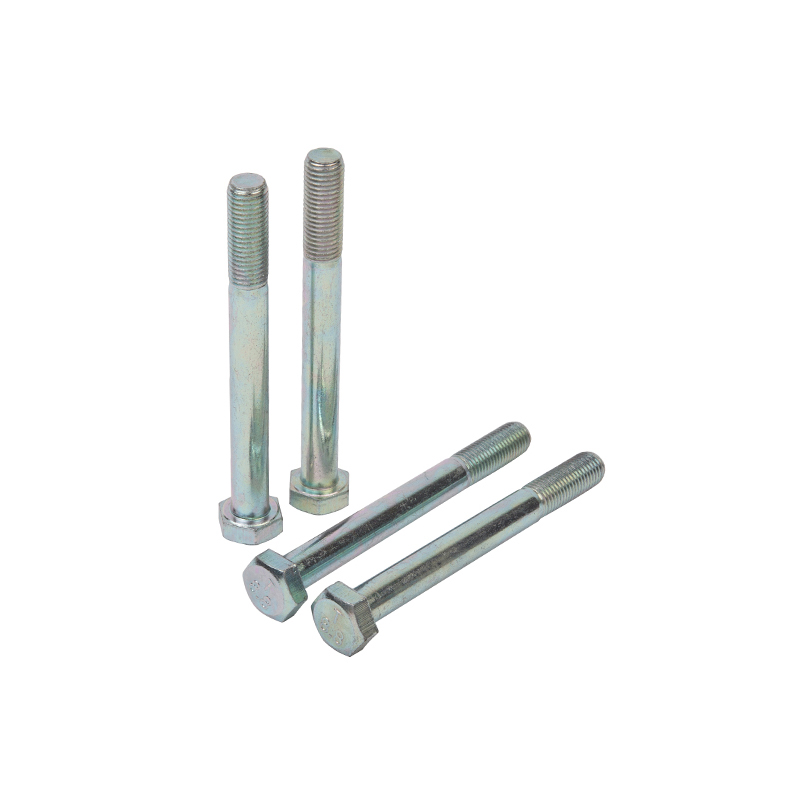
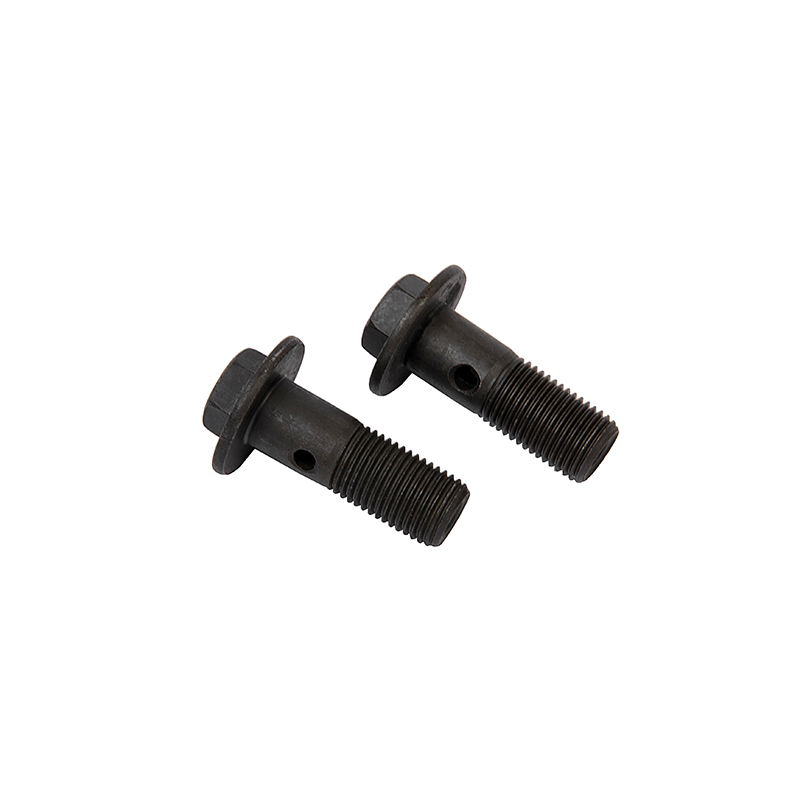
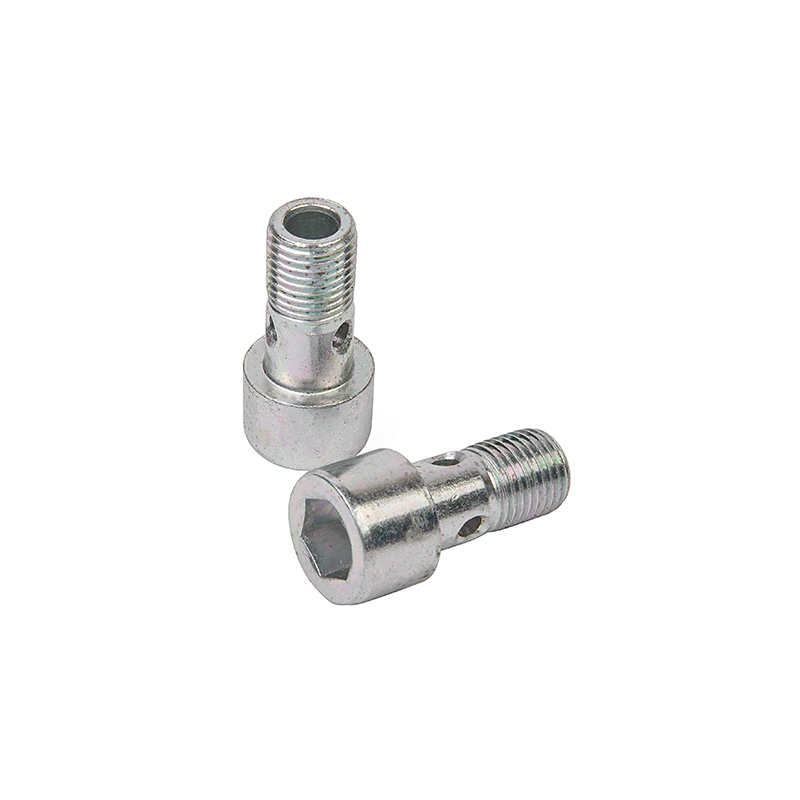
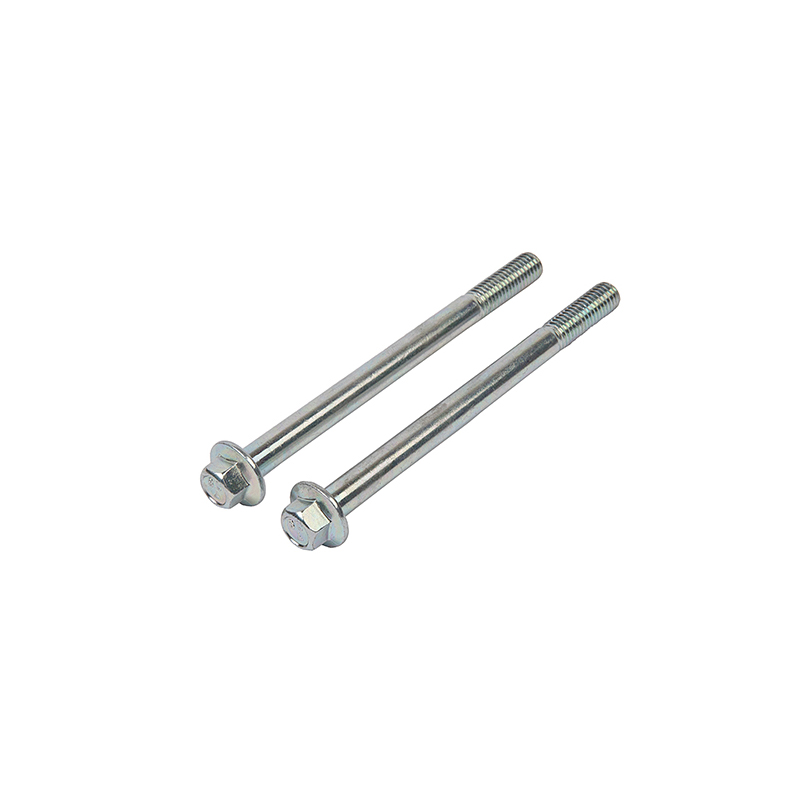
Anchor bolts Hold Structures Firmly Against Time and Forces
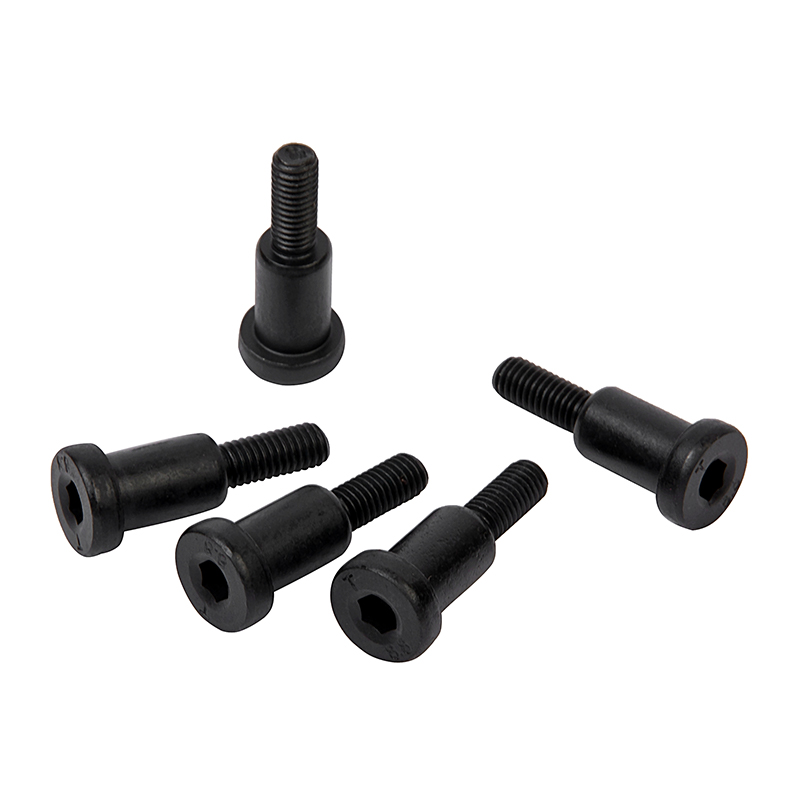
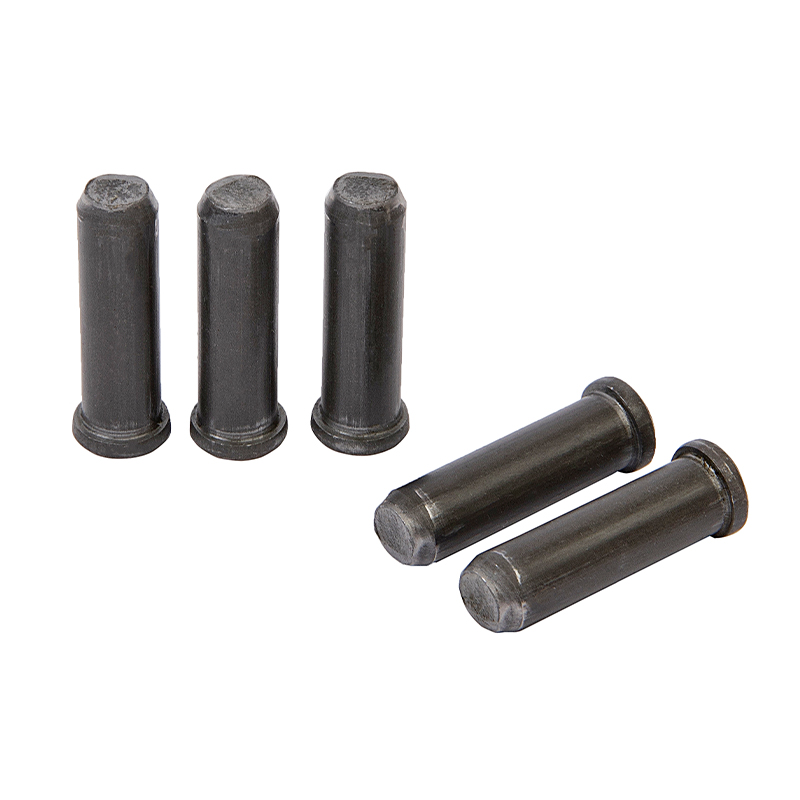
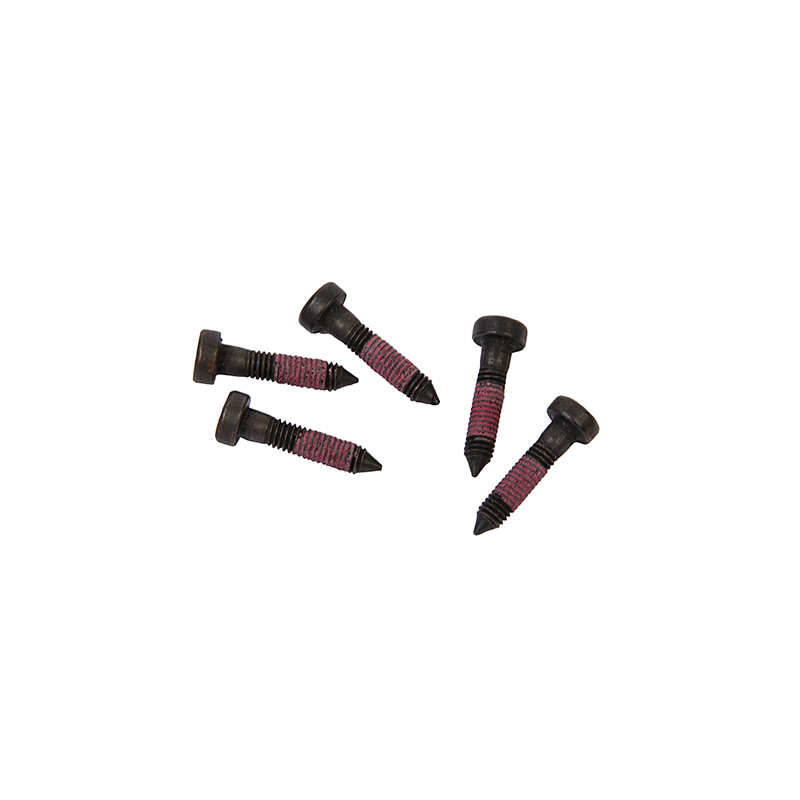
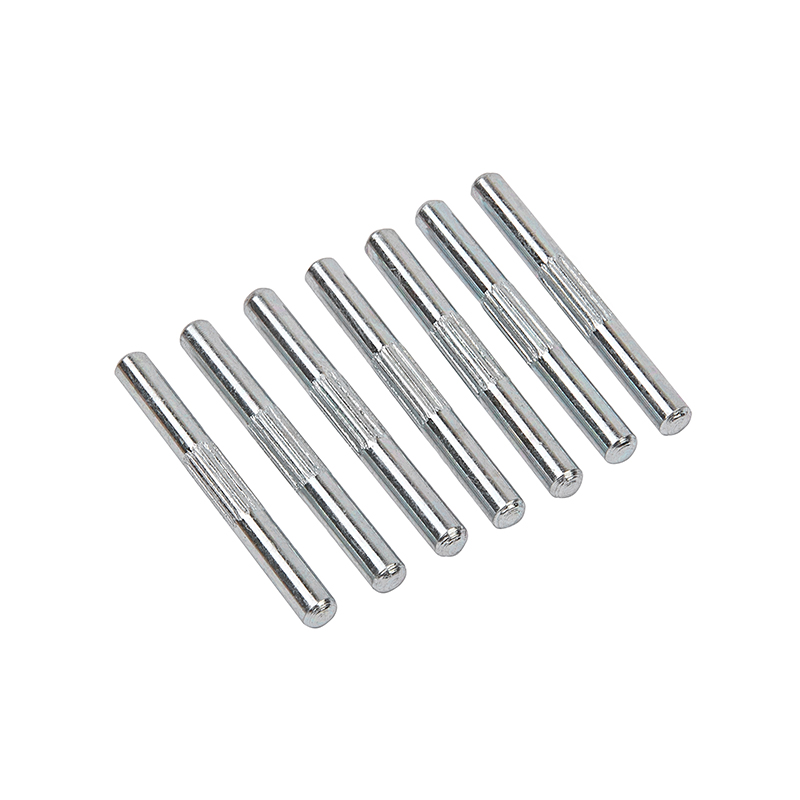
Anchor bolts play a critical role in construction and engineering, providing a reliable method for securing structures to concrete or masonry foundations. These bolts are designed to hold heavy loads, resist vibrations, and maintain stability under changing conditions. From bridges and buildings to machinery and industrial equipment, anchor bolts are an essential component that ensures the safety and durability of a wide range of structures. Their presence is often subtle, yet their function is fundamental, creating a strong connection between the foundation and the structure above.
The design of anchor bolts varies according to the specific requirements of the project. Common types include wedge anchors, sleeve anchors, and chemical anchors, each suited for particular materials and load conditions. The choice of bolt depends on factors such as the weight of the structure, the type of concrete or masonry, and the anticipated stresses and environmental conditions. Materials like stainless steel, galvanized steel, and high-strength alloys provide additional resistance to corrosion and wear, ensuring the connection remains secure over time. The careful engineering of threads and bolt shapes allows for a tight fit, which distributes loads evenly and enhances overall structural integrity.
Installation of anchor bolts requires precision and attention to detail. Proper placement and alignment are essential to ensure that the bolts provide the intended support. Drilling accurate holes, using the correct torque when tightening, and following installation guidelines all contribute to the effectiveness of the bolts. Misalignment or improper installation can compromise the stability of the structure, highlighting the importance of skilled workmanship and careful planning. Anchor bolts are often used in combination with washers and nuts to create a secure fastening system that can endure significant mechanical stress.
Safety and reliability are central to the use of anchor bolts. They provide the foundation for structures to resist forces such as wind, seismic activity, and vibrations from nearby machinery. Engineers calculate the appropriate size, spacing, and type of anchor bolts to ensure that the load-bearing requirements are met. Regular inspection and maintenance of installed bolts can prevent loosening or corrosion, preserving the stability of structures and protecting the lives of those who use them. Their understated presence in construction belies the essential role they play in creating secure, resilient, and long-lasting buildings and infrastructure.
The economic and practical benefits of anchor bolts are significant. Using pre-engineered and standardized bolts reduces construction time and allows for consistent quality in projects. Contractors and builders can rely on these components to meet engineering specifications while minimizing the need for extensive adjustments during assembly. Anchor bolts contribute to sustainable construction by providing durable connections that reduce the frequency of repairs and replacements.
Environmental considerations also influence the selection of anchor bolts. Materials that resist corrosion and wear extend the lifespan of structures and reduce waste associated with repairs and replacements. Proper installation techniques help maintain the integrity of concrete or masonry foundations, preventing damage that could require additional resources to correct. In this way, anchor bolts contribute indirectly to more efficient use of materials and long-term sustainability in construction.
Anchor bolts are an indispensable element in building and engineering, providing stability, safety, and reliability to structures. Their design, careful installation, and material quality ensure that structures can withstand environmental stresses, mechanical forces, and everyday use. By combining practicality, strength, and durability, anchor bolts create a secure link between the foundation and the structure above, supporting the architecture of cities and the machinery of industry. Their quiet strength and dependable performance make them a cornerstone of modern construction and engineering practices.
Related Products

Copyright 2024 Zhejiang Wanyu Automotive Parts Co., Ltd. All Rights Reserved
Auto Fasteners Parts Factory

Contact Us