 English
 Español
Just write us your request & we will take care of the rest.
Metal stud Connects Machinery and Framework Seamlessly
Introduction to Metal Studs
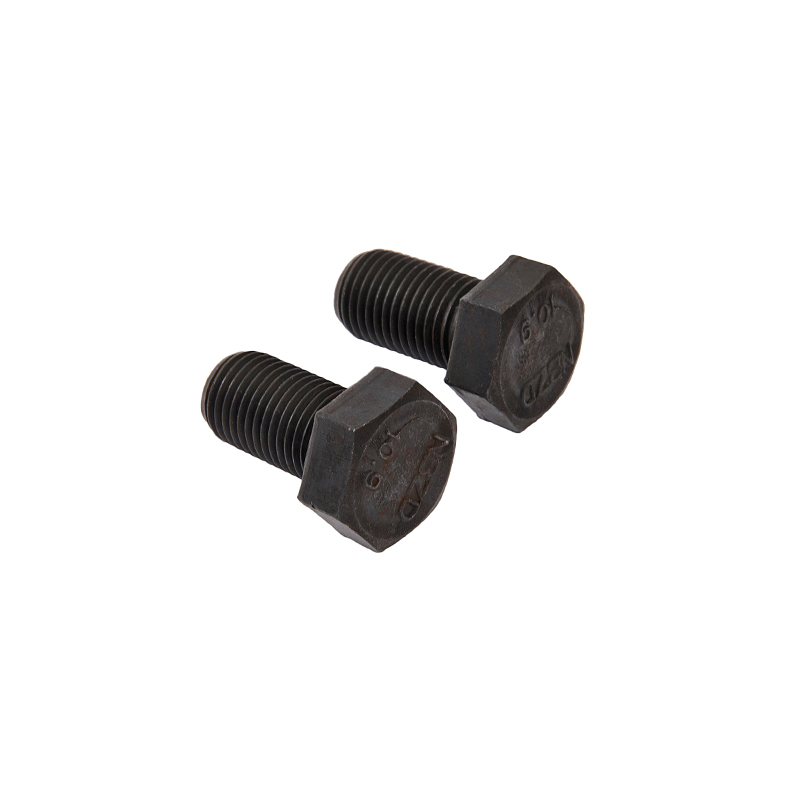
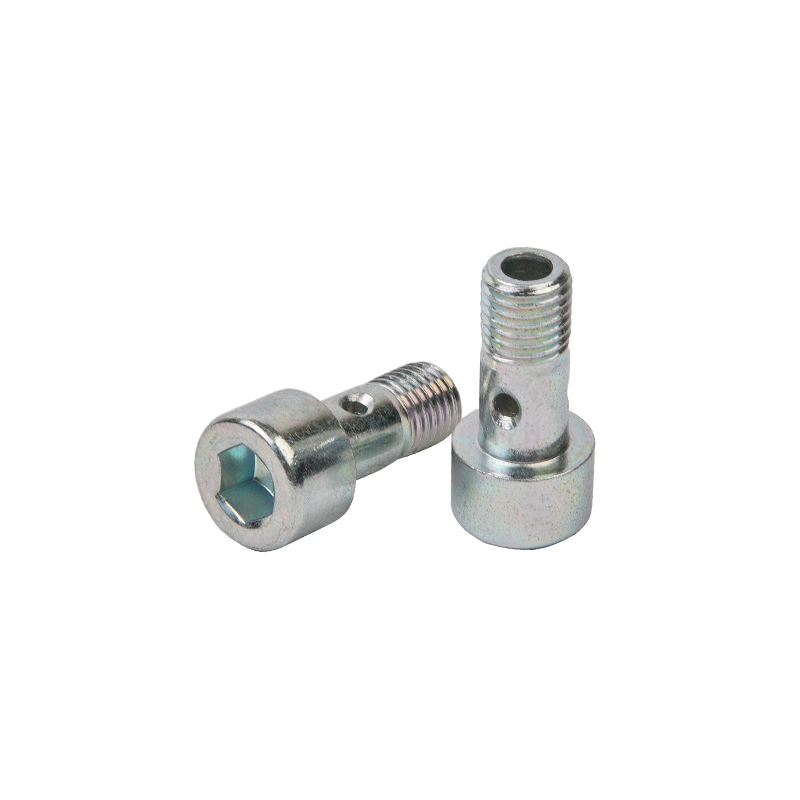
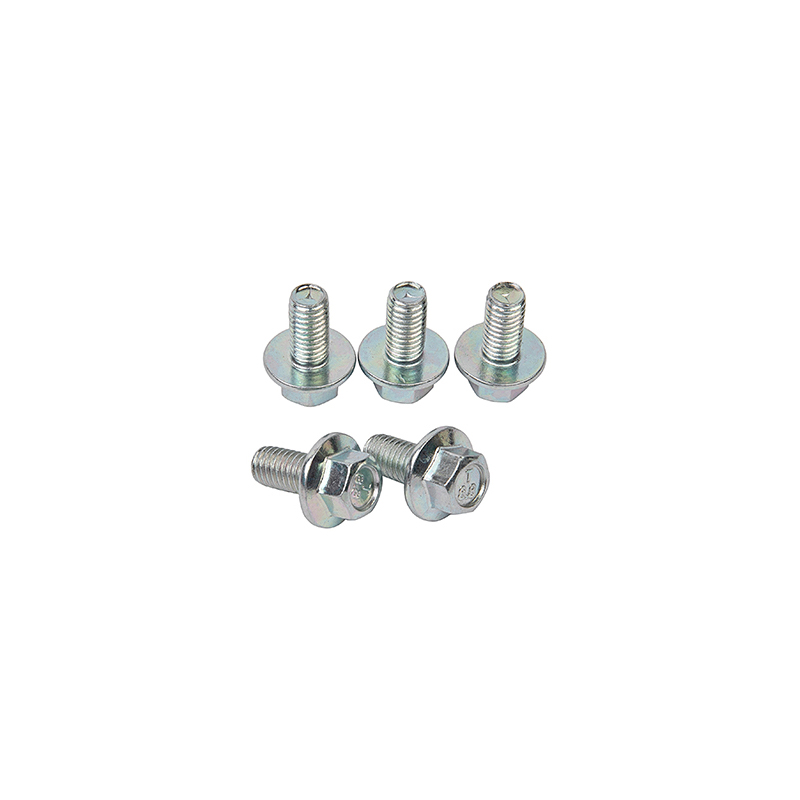
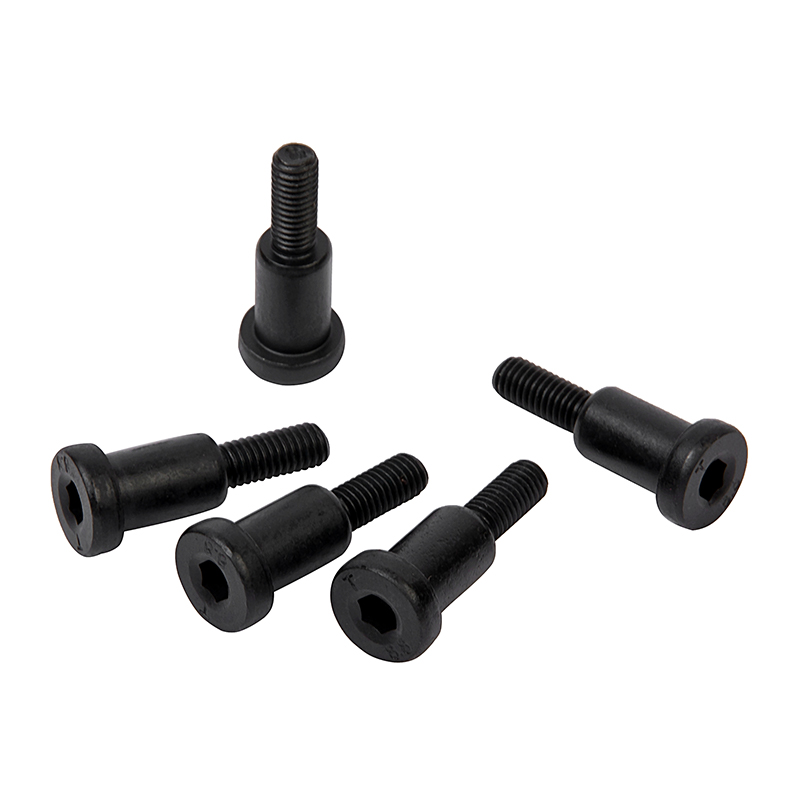
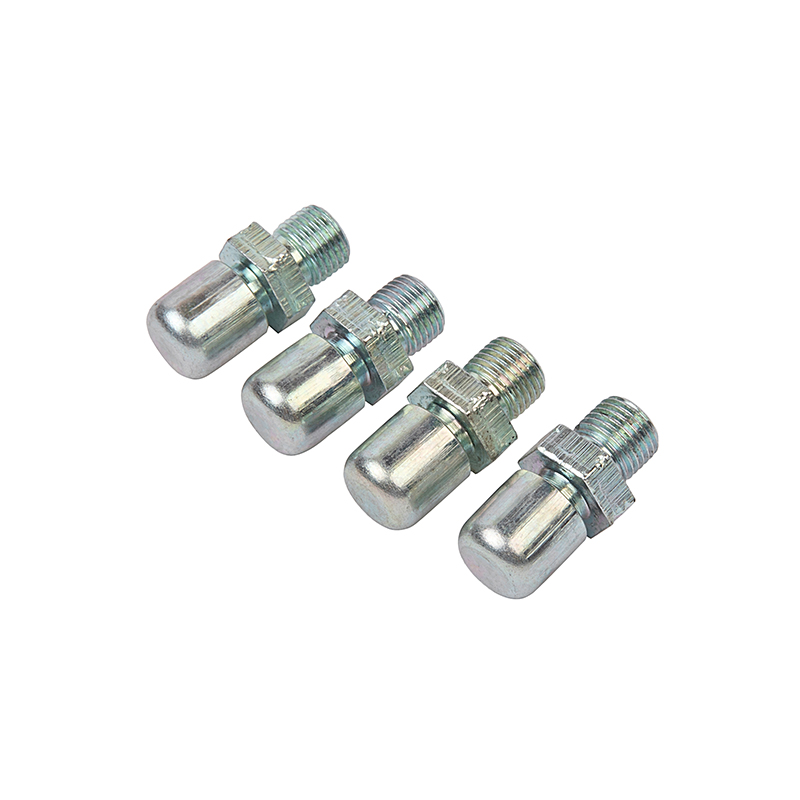
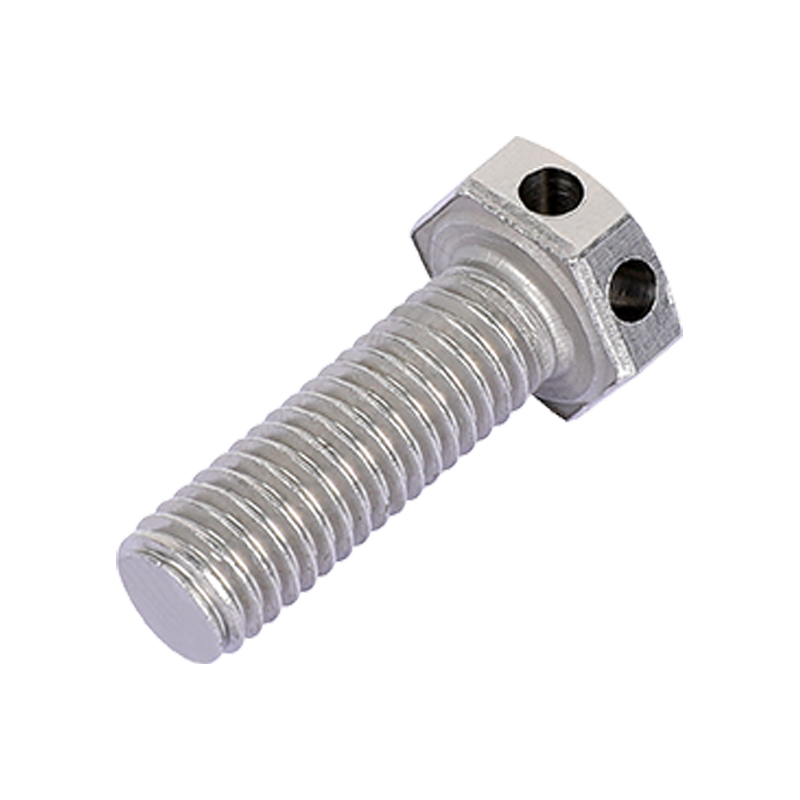
Metal studs, also known as threaded metal posts, are essential components in construction, mechanical assembly, and industrial applications. These studs provide a reliable method to fasten components, ensuring stability and precision across different projects. Crafted from stainless steel or carbon steel, metal studs resist corrosion and maintain structural integrity over time. Builders and engineers rely on metal studs for their predictable dimensions and strength in assembling machinery, reinforcing structural frameworks, and supporting heavy equipment. Their presence may be subtle, but their role in providing secure connections is indispensable.
Types and Design Features
Metal studs are available in various designs to suit specific applications. Double-ended studs have threads on both ends, ideal for joining two components using nuts. Fully threaded studs provide continuous threads along their length, offering flexibility for adjustments and secure fastenings. Welding studs are designed for permanent attachment to metal surfaces, providing a strong foundation for subsequent assembly. Many metal studs come in different diameters, lengths, and thread pitches, allowing users to select the product based on load requirements, material thickness, and installation environment. Pre-engineered dimensions and uniform threading enhance assembly efficiency and reduce errors in alignment. Surface coatings and high-quality steel improve durability and corrosion resistance, making metal studs suitable for demanding industrial and construction environments. These features also allow for precise installation even in complex or multi-layered assemblies, ensuring reliable performance across projects.
Applications and Installation
Metal studs serve a wide range of applications. In construction, they are used to fasten structural elements, provide support for mechanical equipment, or act as anchors in concrete and steel frameworks. In industrial settings, metal studs secure machinery, equipment panels, and automotive components. The installation process is straightforward: studs are inserted into drilled holes or welded to surfaces, and nuts are used to secure components in place. Precision tools and torque guidelines ensure that the studs are firmly seated, preventing loosening or misalignment. Their durability and corrosion resistance make them suitable for long-term projects, and the consistent threading allows for repeated assembly and disassembly when adjustments are needed. Metal studs provide a reliable foundation for attaching panels, brackets, and other hardware, ensuring structural stability across various applications.
Economic and Environmental Considerations
Metal studs offer practical and economic advantages for builders and manufacturers. Their standardization allows for predictable quality and easier inventory management. Stainless steel and coated studs provide durability, reducing maintenance and replacement costs over time. From an environmental perspective, metal studs are often recyclable, supporting more sustainable manufacturing and construction practices. Their long lifespan and resistance to corrosion reduce material waste and extend the usability of assembled structures. For engineers and builders, metal studs represent a balance of efficiency, reliability, and sustainability, offering dependable solutions for mechanical, industrial, and architectural applications.
Conclusion
Metal studs play a crucial role in securing components, reinforcing structures, and supporting industrial and construction projects. Their diverse designs, precise manufacturing, and durability ensure that they perform reliably under various conditions. By providing strong, adaptable, and sustainable fastening solutions, metal studs quietly uphold the integrity of the structures and machinery they connect, proving themselves as indispensable tools for professionals across industries.
Related Products

Copyright 2024 Zhejiang Wanyu Automotive Parts Co., Ltd. All Rights Reserved
Auto Fasteners Parts Factory

Contact Us