 English
 Español
Just write us your request & we will take care of the rest.
Flange Bolts Solve a Problem Most People Never Notice
A Built-In Solution to a Common Problem
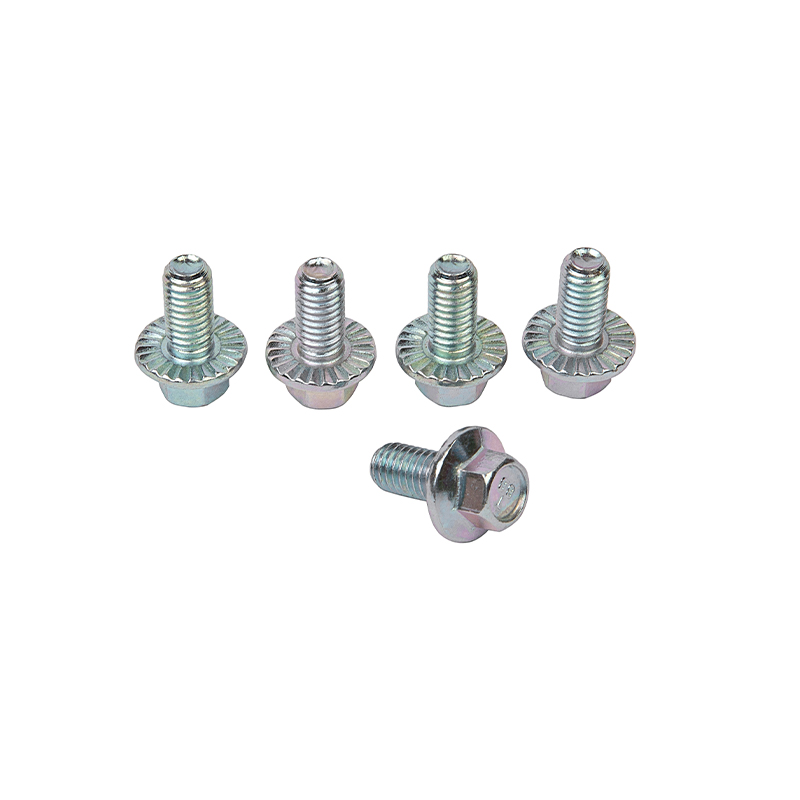
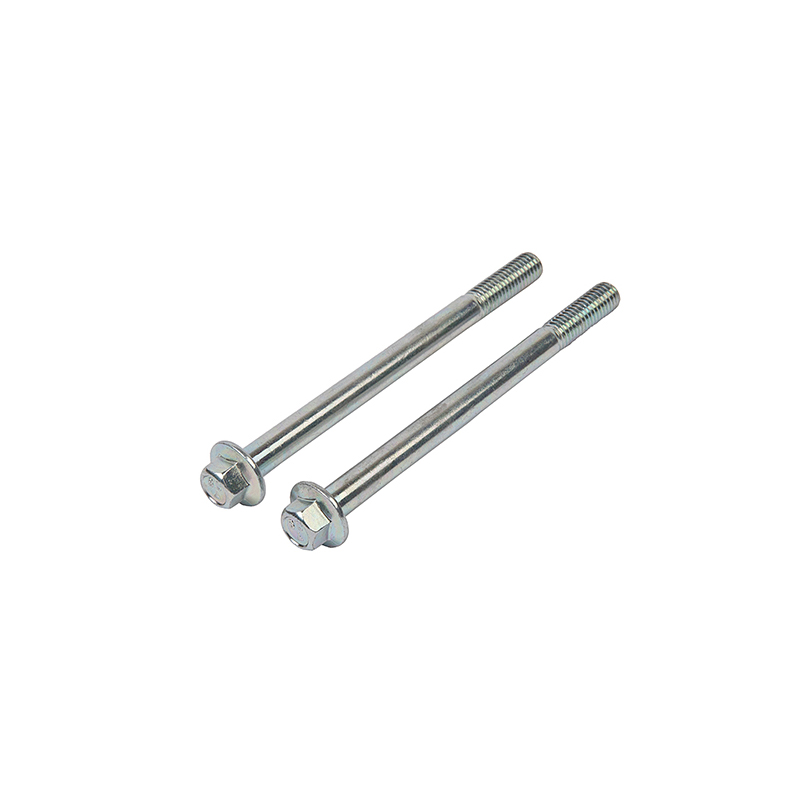
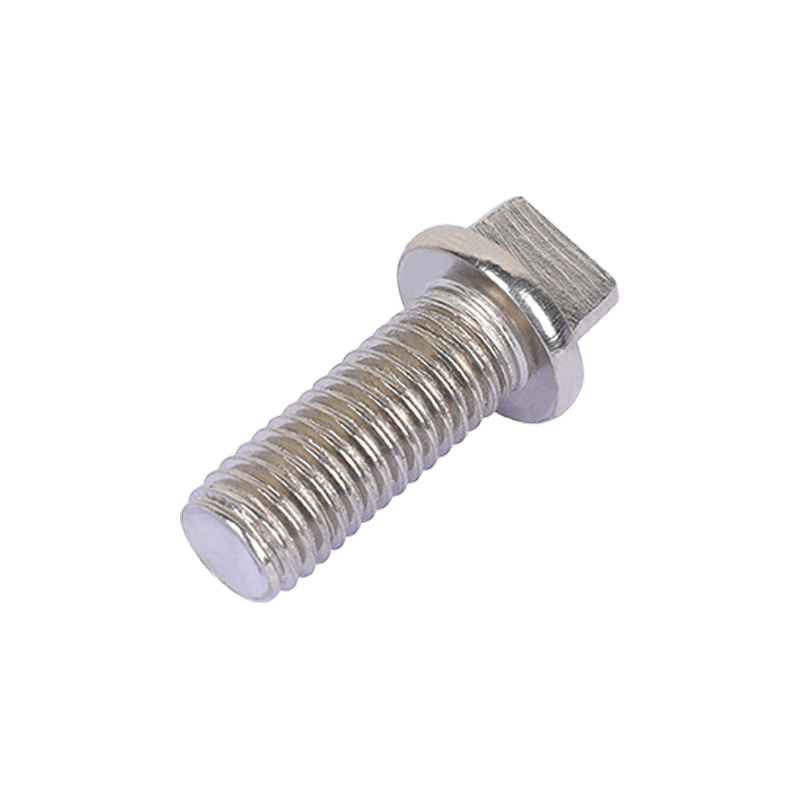
Anyone who's assembled furniture, worked on a car, or handled general mechanical repairs has probably run into the same small frustration — a bolt that needs a washer, except the washer keeps sliding out of place before the bolt is fully tightened. Flange bolts solve this in a fairly elegant way, combining the bolt and washer into a single piece. The wide, flat flange sits just under the head, spreading pressure across a broader surface without requiring a separate part to hold in place during assembly.
This design might seem like a small convenience, but it adds up quickly in situations involving repeated assembly, tight spaces, or components where a separate washer would be difficult to keep aligned during installation.
How the Flange Changes the Way These Bolts Perform
The flange itself does more than just replace a washer. By distributing clamping force over a wider area, it reduces the chance of the bolt digging into softer materials or leaving an uneven mark on a surface. This becomes especially useful when working with materials that might otherwise crack or deform under concentrated pressure from a standard bolt head.
Some flange bolts include a serrated edge along the underside of the flange, adding a bit of grip against the surface it's tightened onto. This serration helps resist loosening from vibration, which is one reason these bolts show up so often in automotive and machinery applications where constant movement is part of daily operation.
A few common flange types include:
- Serrated flange bolts — added grip along the flange edge, useful in vibration-heavy settings
- Non-serrated flange bolts — smooth flange surface, often chosen for finished or coated materials
- Full flange bolts — wider flange diameter for broader load distribution
- Reduced flange bolts — slightly smaller flange, useful in tighter clearance situations
Where Flange Bolts Tend to Show Up
Automotive work is one of the more common places to find flange bolts, particularly around engine components, exhaust systems, and suspension parts where vibration is a constant factor. The built-in washer effect means fewer loose parts rattling around during installation, which matters quite a bit when working in cramped engine bays.
Outside of vehicles, flange bolts appear frequently in general machinery, agricultural equipment, and structural assembly work. Anywhere a connection needs a bit of extra surface contact — without adding a separate washer to the mix — tends to be a reasonable candidate for this style of bolt.
Furniture and equipment manufacturers have also picked up on the convenience factor, using flange bolts in situations where assembly speed matters and keeping track of loose washers would slow down a production line.
Material and Finish Considerations
Like many fasteners, flange bolts come in a range of materials suited to different environments. Steel versions remain common for general use, offering a solid balance of strength and availability. Stainless steel options tend to show up in settings where corrosion resistance matters more, such as outdoor equipment or components exposed to moisture on a regular basis.
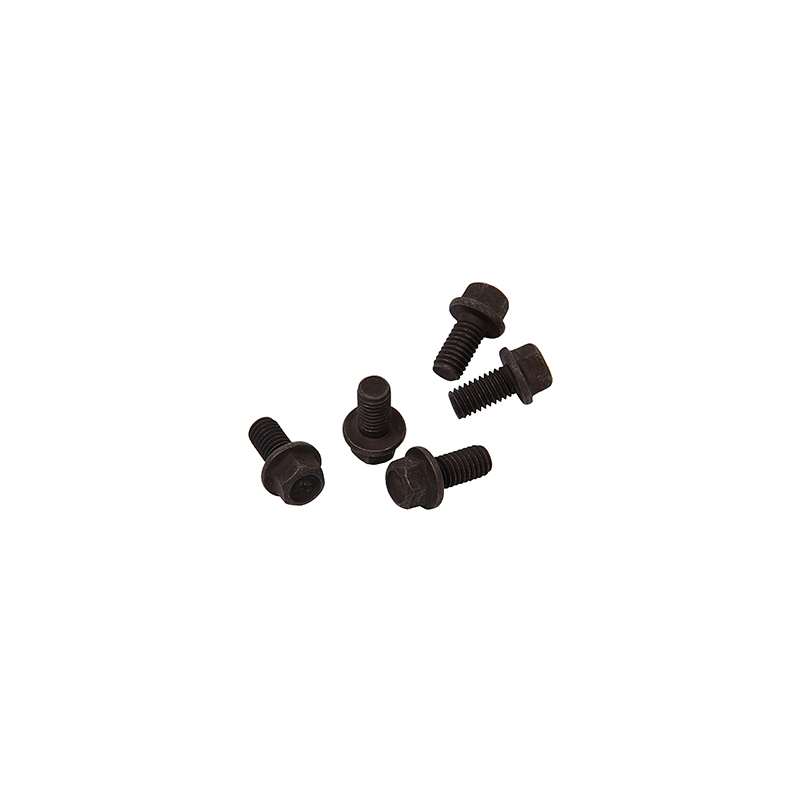
Finish also plays a role in how these bolts perform over time. Zinc plating adds a layer of protection against surface rust, while black oxide coatings offer a different aesthetic along with some added resistance to everyday wear. The right combination of material and finish often depends less on appearance and more on the specific demands of the job the bolt is being used for.
Related Products

Copyright 2024 Zhejiang Wanyu Automotive Parts Co., Ltd. All Rights Reserved
Auto Fasteners Parts Factory

Contact Us