 English
 Español

Just write us your request & we will take care of the rest.
Flange Nuts Bring Stability to Mechanical Fastening
What Makes Flange Nuts Different?
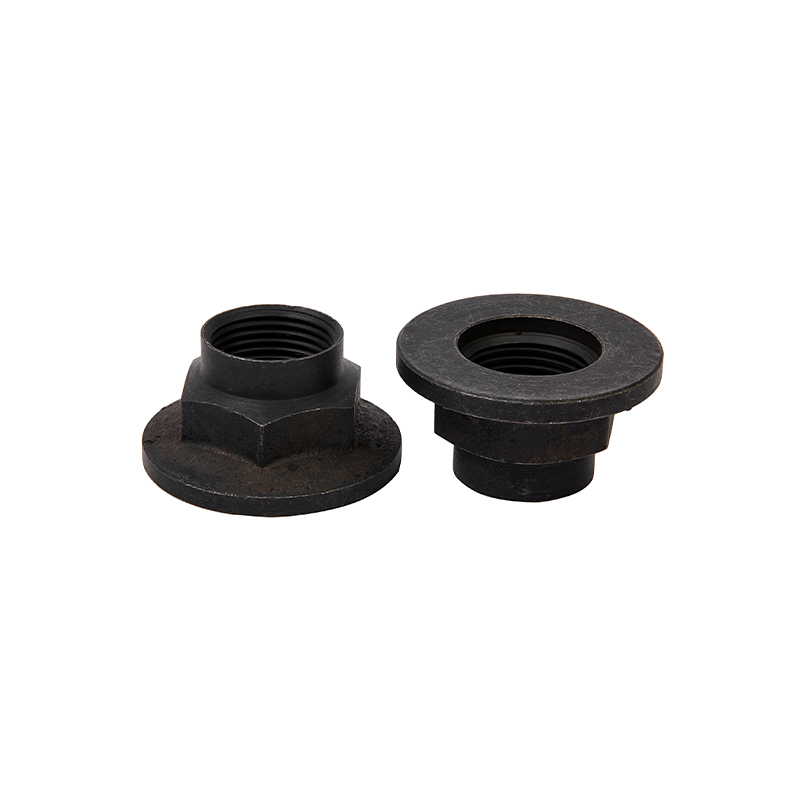
In mechanical assembly, small fasteners can influence how components fit together and handle applied loads. Flange nuts are a common fastening option that combines a threaded nut with a wider flange at its base. This integrated flange provides a broader contact area against the surface being fastened, helping distribute clamping force across a larger area than a comparable nut without a flange.
Unlike a standard hex nut, which typically relies on a separate washer when a wider bearing surface is needed, a flange nut incorporates this feature into its design. Depending on the application, this can reduce the number of separate components required during assembly and simplify parts handling.
Flange nuts are used in machinery, automotive components, metal fabrication, equipment frames, and other assemblies where threaded connections are part of the design.
How Does the Flange Work?
The defining feature of a flange nut is the circular or shaped base extending outward from the nut body. When tightened against a mating surface, the flange creates a larger bearing area around the bolt or threaded stud.
This design offers several practical functions:
- Load distribution: The wider base spreads contact pressure across a larger surface area.
- Assembly convenience: An integrated flange can eliminate the need for a separate washer in suitable applications.
- Surface contact: The flange provides a defined bearing area against the connected component.
- Fastener positioning: The nut's base helps establish contact between the fastener and the assembly surface.
The actual performance depends on the nut dimensions, material, surface finish, tightening method, and properties of the connected components. A flange does not automatically prevent loosening or compensate for an unsuitable fastening design.
Where Are Flange Nuts Used?
Flange nuts support threaded connections across a range of manufacturing sectors.
- Automotive manufacturing: Used in selected brackets, mounting points, and mechanical assemblies.
- Industrial machinery: Connect equipment components, housings, support structures, and mounting plates.
- Metal fabrication: Secure sheet-metal parts, frames, and formed components.
- Agricultural equipment: Support connections in machinery structures and selected mechanical parts.
- Electrical equipment enclosures: Fasten compatible brackets and mounting components within equipment assemblies.
The required flange diameter, thread size, material, and nut height vary according to the application. A nut intended for a thin sheet-metal component may have different requirements from one used in a heavily loaded machinery joint.
How Do Thread Size and Flange Dimensions Matter?
Choosing flange nuts requires attention to several connected dimensions. Thread diameter and pitch must match the bolt or stud, while the nut's height and wrench size affect installation clearance.
The flange diameter influences the bearing area. A wider flange can spread contact over a larger region, but it also requires sufficient space around the fastening point. In confined assemblies, the available clearance may determine which nut design can be used.
Before confirming a specification, manufacturers and distributors should review:
- Thread specification: Confirm diameter, pitch, and thread system.
- Flange diameter: Check the available bearing surface and surrounding clearance.
- Material grade: Match the nut to the mechanical demands of the connection.
- Surface finish: Consider compatibility with the mating components and operating conditions.
- Nut type: Determine whether a smooth or serrated flange suits the assembly.
Related Products

Copyright 2024 Zhejiang Wanyu Automotive Parts Co., Ltd. All Rights Reserved
Auto Fasteners Parts Factory

Contact Us