 English
 Español
Just write us your request & we will take care of the rest.
Hexalobular Screws Secrets for Better Assembly
Hexalobular screws serve as a common fastening solution in many manufacturing and construction settings. These screws feature a six-point star-shaped drive that allows for secure engagement with compatible tools. Their design supports consistent torque application during installation, making them suitable for a range of assembly tasks where reliable connections matter. Hexalobular screws appear across different sectors, contributing to the assembly of components in everyday products and equipment.
The Design of Hexalobular Screws
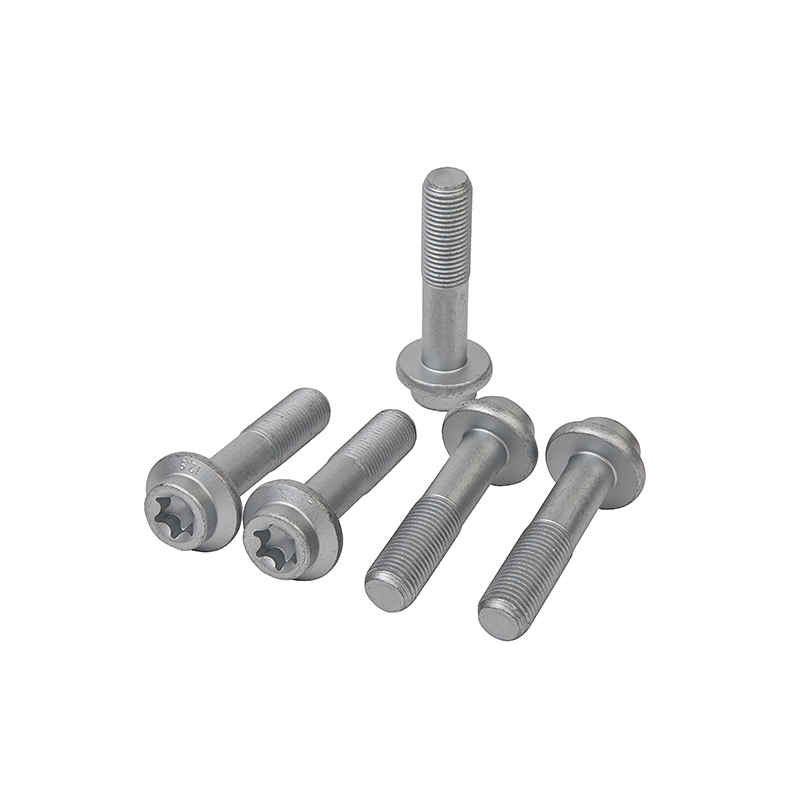
Hexalobular screws incorporate a recessed star pattern in the head, which differs from traditional slot or cross designs. This configuration provides multiple points of contact for the driver bit, helping to distribute force evenly. Manufacturers produce these screws in various head styles, including flat, pan, and countersunk options, to fit specific assembly requirements. The threading on hexalobular screws comes in standard and specialized patterns, supporting their use with different materials such as metals, plastics, and composites.
Applications of Hexalobular Screws Across Industries
Industries rely on hexalobular screws for assembling electronic devices, automotive parts, and furniture components. In electronics manufacturing, these screws help secure internal parts where space is limited and precision is necessary. Automotive assembly lines use hexalobular screws in areas that require vibration resistance and repeated access during service. Furniture producers incorporate them into frame constructions and panel joints, where the drive system allows for efficient production processes. The screws also appear in machinery and equipment builds, supporting structural integrity in operational environments.
Materials and Finishes for Hexalobular Screws
Hexalobular screws are available in several materials, including carbon steel, stainless steel, and alloy variants. Each material type offers properties that align with the demands of particular applications, such as corrosion resistance in humid conditions or strength in load-bearing setups. Surface treatments like zinc plating or black oxide finishes help protect the screws during regular use. These options allow manufacturers to select hexalobular screws that match the surrounding components and environmental factors in the final product.
Sizes and Configurations of Hexalobular Screws
Hexalobular screws come in a variety of sizes, from small diameters for delicate assemblies to larger ones for heavy-duty connections. Common drive sizes include T10, T15, T20, and larger variants, each paired with matching tool bits for proper fit. Lengths and thread pitches vary to accommodate different material thicknesses and joint requirements. Some configurations feature tamper-resistant options with a central pin, while others include washer-integrated heads for added stability. This range supports selection based on the specific dimensions and load characteristics of the assembly.
Role of Hexalobular Screws in Production Efficiency
Production facilities integrate hexalobular screws into automated and manual assembly workflows. The drive design reduces the likelihood of cam-out during high-speed installation, supporting steady output rates on factory lines. Workers and machines benefit from the secure grip that hexalobular screws provide, which contributes to fewer interruptions in the fastening process. In quality control stages, these screws allow for straightforward inspection and adjustment where needed. Their compatibility with standard tooling systems further streamlines inventory management in manufacturing operations.
Hexalobular screws remain a standard element in many fastening applications, supporting the construction and maintenance of products used daily. Their presence in supply chains reflects ongoing demand for dependable connection methods in industrial activities. As assembly techniques continue to develop, hexalobular screws provide a familiar and functional choice for engineers and technicians working with diverse materials and designs.
Related Products

Copyright 2024 Zhejiang Wanyu Automotive Parts Co., Ltd. All Rights Reserved
Auto Fasteners Parts Factory

Contact Us