 English
 Español
Just write us your request & we will take care of the rest.
Metal Screws Make Assembly Simple and Reliable
The Role of Metal Screws in Construction
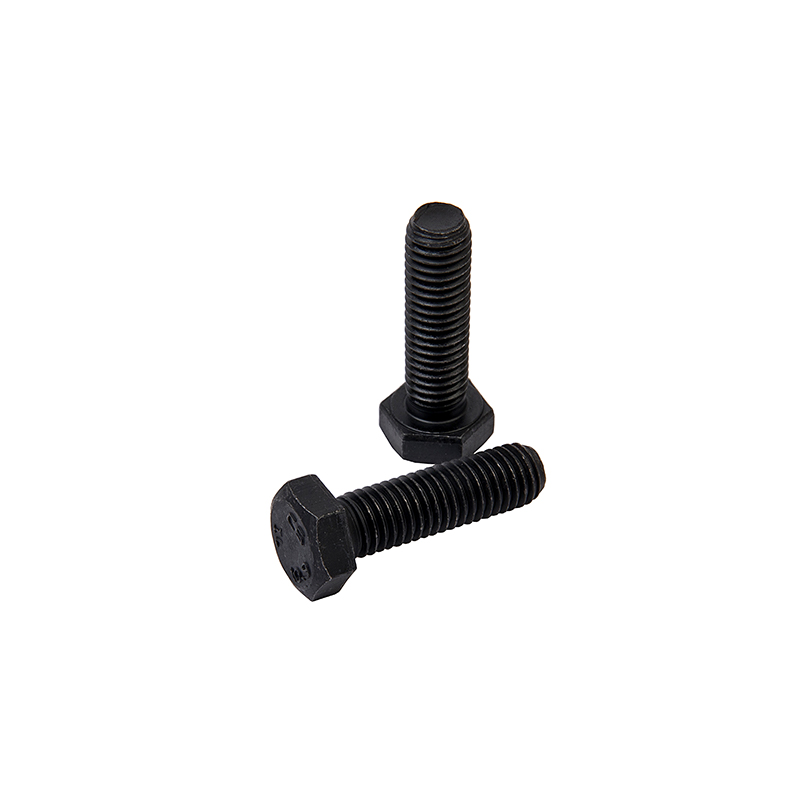
Metal screws are widely used across construction, manufacturing, and DIY projects for their ability to join materials securely. These fasteners come in various sizes and thread patterns, allowing precise compatibility with different materials such as wood, metal, and composite panels. Their design provides strong holding power, helping structures maintain stability and strength.
In industrial applications, metal screws serve as a crucial component in assembling machinery and equipment. They are preferred for their ease of installation and removal compared to permanent fasteners like welding or adhesives. For small-scale projects, homeowners and hobbyists rely on metal screws to build furniture, shelves, or decorative fixtures efficiently.
Metal screws also allow adjustments during installation. The threads enable controlled tightening, which ensures a secure connection without damaging the surrounding material. This feature is particularly valuable in projects that require precision, such as cabinetry or mechanical assemblies.
Design Features of Metal Screws
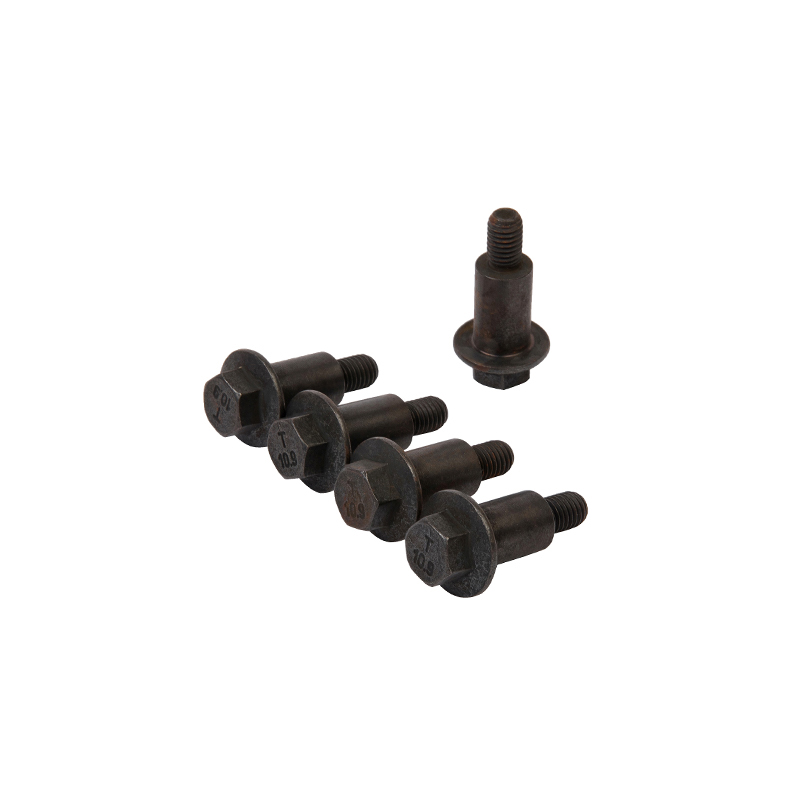
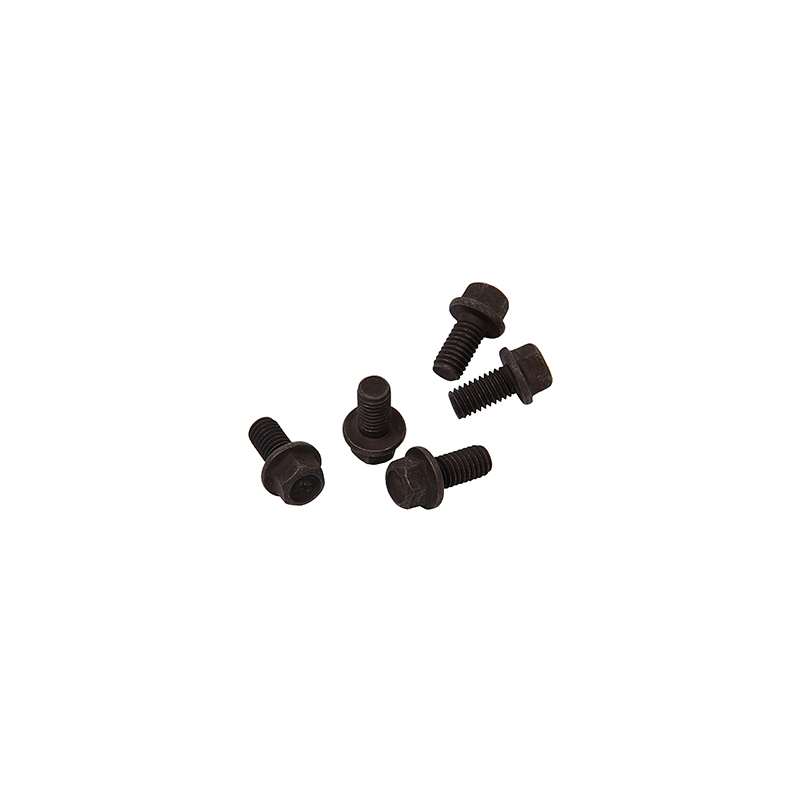
Modern metal screws are designed for both strength and convenience. The heads of screws come in a range of types, including flat, Phillips, hex, and Torx, each suited to specific tools and applications. This variety ensures that screws can be installed effectively, even in tight or hard-to-reach areas.
Thread design is another key aspect. Fine threads are commonly used for precision work and soft materials, while coarse threads provide grip in harder materials. Manufacturers carefully shape the threads to enhance holding power, prevent loosening, and improve overall durability.
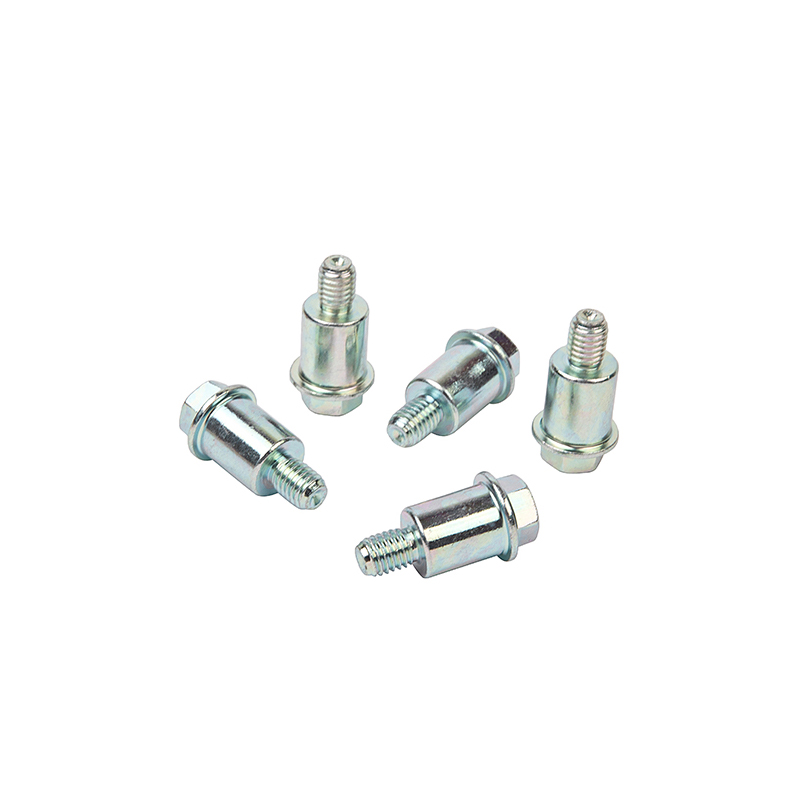
Screw materials also influence performance. Stainless steel, carbon steel, and alloy steel are popular choices, each offering different levels of hardness, corrosion resistance, and wear characteristics. Surface treatments like zinc plating or black oxide coatings can further improve the screw’s resistance to surface wear and handling during installation.
Everyday Applications of Metal Screws
Metal screws are versatile fasteners found in homes, workplaces, and industrial environments. In residential projects, they are used to assemble furniture, fix appliances, mount fixtures, and secure panels. Their ability to be removed and reused makes them ideal for temporary or adjustable installations.
In commercial and industrial settings, metal screws support equipment assembly, structural frames, and machinery maintenance. They provide reliable performance under consistent use, ensuring safety and structural integrity. For tasks that require frequent disassembly, screws are a practical alternative to permanent joins.
The ease of selection and use also contributes to the popularity of metal screws. Various lengths, diameters, and thread types allow users to match the screw to the material and load requirements. Even small adjustments in thread or head type can affect the stability and longevity of the installation.
Maintenance and Handling of Metal Screws
Proper handling and maintenance help ensure that metal screws perform reliably. Users should avoid overtightening, which can strip threads or damage the material being fastened. Matching the screw type and size to the specific application also minimizes potential issues during installation.
Storage conditions influence longevity. Keeping screws in dry, clean environments prevents corrosion and ensures that threads remain sharp and effective. During assembly, using the correct tools and techniques supports consistent installation quality and reduces wear on both the screw and the material.
Overall, metal screws remain a practical and versatile solution for fastening needs. Their combination of secure holding, adjustability, and design variety makes them suitable for a wide range of applications.
Related Products

Copyright 2024 Zhejiang Wanyu Automotive Parts Co., Ltd. All Rights Reserved
Auto Fasteners Parts Factory

Contact Us