 English
 Español
Just write us your request & we will take care of the rest.
What Makes Metal Stud Different from Bolts?
Small Components with Different Functions
In mechanical assembly, a small fastener can determine how two components connect and fit together. Metal stud products are used across a range of industries, including automotive manufacturing, machinery, industrial equipment, construction equipment, and general mechanical production.
Unlike conventional bolts, which usually have a head, a stud uses threaded sections to connect parts through threaded holes, nuts, or compatible components. Its design can make assembly more convenient when a fixed threaded connection is required or when access to one side of a component is limited.
Metal studs come in different shapes, lengths, thread arrangements, and materials. These differences allow manufacturers to select fasteners according to the structure of the assembly rather than relying on a single design for every application.
Different Stud Designs Serve Different Needs
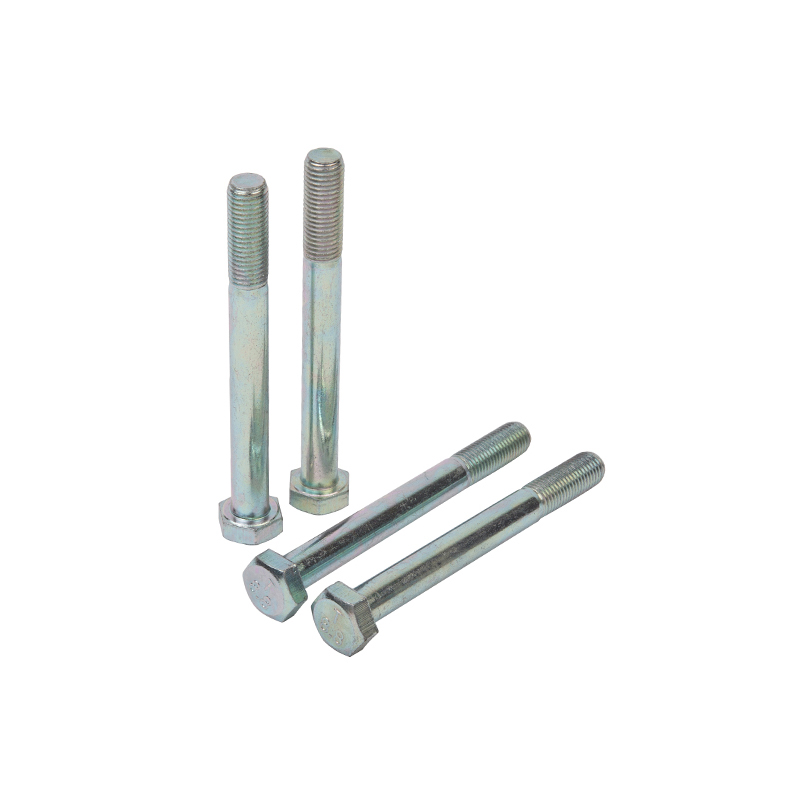
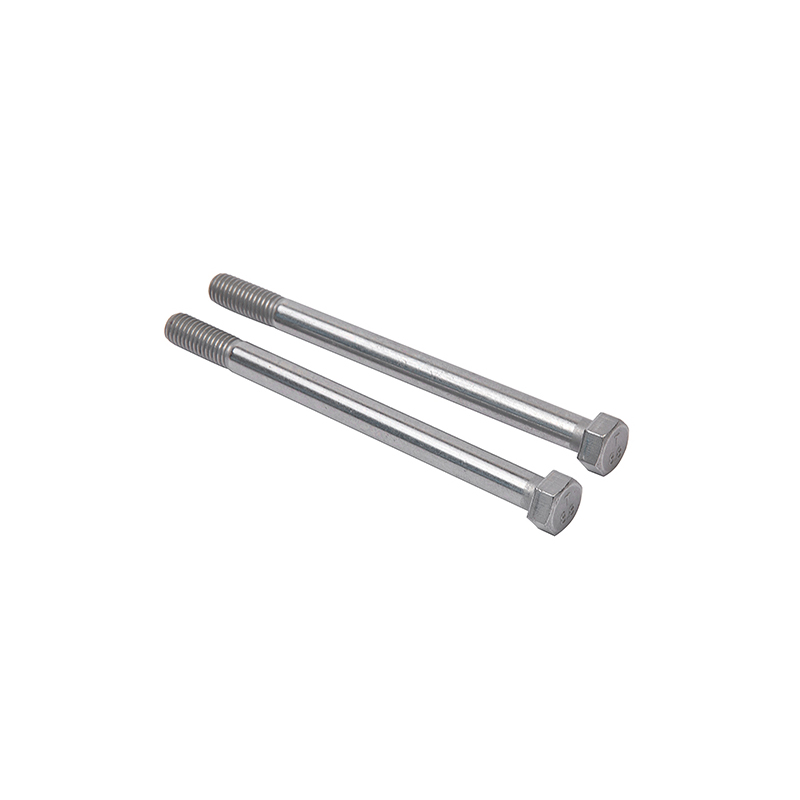
Double-ended studs have threaded sections at both ends, often with an unthreaded section between them. They are commonly used where one end engages with a base component while the other accepts a nut. Thread lengths can vary according to the connection requirements.
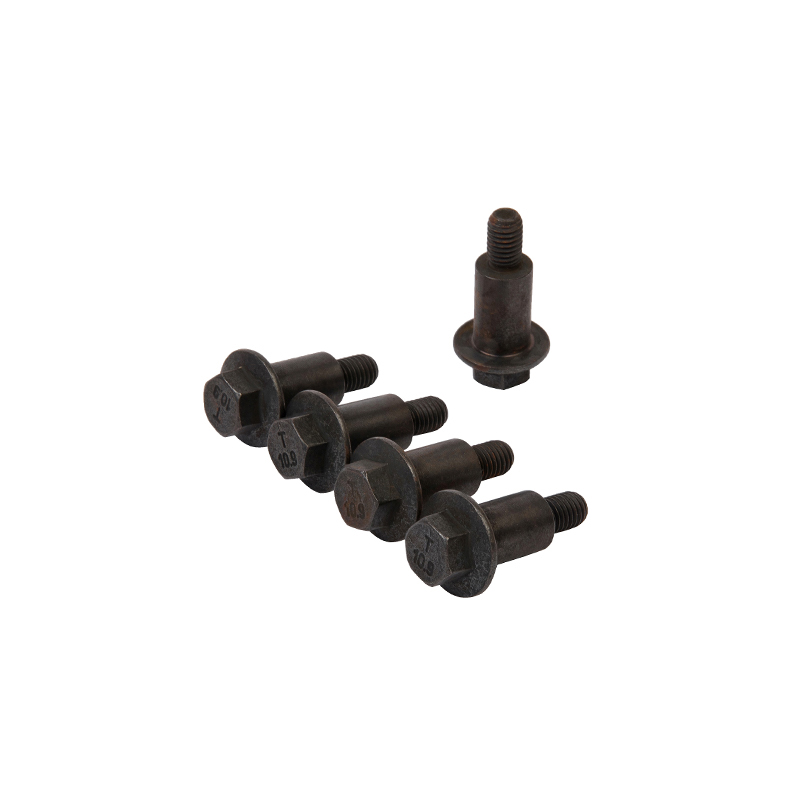
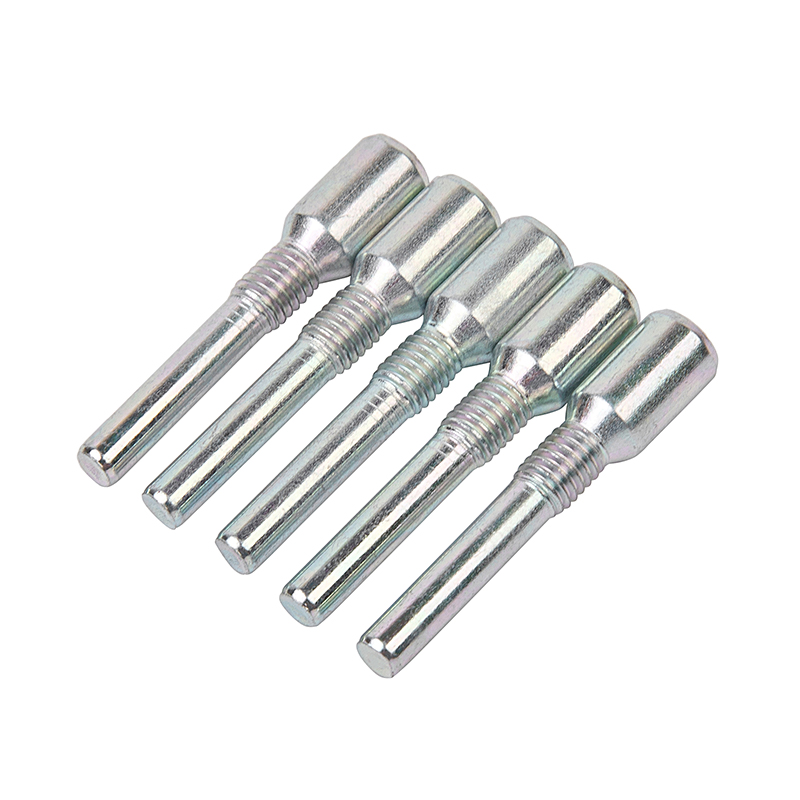
Fully threaded studs have threads along the full body, providing flexibility for assemblies that require threaded engagement at different positions. Shoulder-type double-ended studs include a defined shoulder that can help locate connected parts or provide a seating surface within a specific design.
These product types may look similar at glance, but their functions and dimensions are not necessarily interchangeable. Thread diameter, pitch, overall length, engagement depth, and shoulder dimensions all influence whether a stud fits the intended assembly.
For distributors and manufacturers, organizing products by stud type and specification makes it easier to identify suitable options for different customer requirements.
Applications Extend Beyond Automotive Parts
Metal studs are found in many mechanical systems where components need to be secured together. In industrial machinery, they may be used to connect housings, mounting plates, and equipment components. In pumps and fluid-handling equipment, threaded fasteners can help secure covers and related parts. Construction equipment and agricultural machinery also use specialized fasteners in their assemblies.
Automotive applications represent another part of this broad market. Studs may be specified for engine components, intake and exhaust assemblies, oil pumps, thermostat housings, and suspension systems. However, the required design depends on the connection involved, not simply on the industry.
Other applications may call for standard threaded studs or specially shaped products developed around a particular drawing. This variety makes accurate product identification important for both general industrial sourcing and replacement-part distribution.
Material and Thread Details Matter
The material selected for a metal stud depends on its intended use and the requirements of the assembly. Carbon steel, alloy steel, and stainless steel are common material options across different fastener categories, although availability varies by product.
Thread specifications also affect compatibility. Metric and imperial threads have different dimensions, while thread pitch determines the spacing between threads. A stud with the correct overall length may still be unsuitable if its diameter, pitch, or engagement length does not match the mating component.
Surface finish, strength requirements, and dimensional tolerances may also be relevant when selecting a product for a specific application. Buyers should confirm these details against the product drawing or required specification instead of assuming that similar-looking studs share the same characteristics.
Clear product information helps reduce confusion during quotation, ordering, and parts identification.
Related Products

Copyright 2024 Zhejiang Wanyu Automotive Parts Co., Ltd. All Rights Reserved
Auto Fasteners Parts Factory

Contact Us