 English
 Español
Just write us your request & we will take care of the rest.
Home / News / Industry News / The Essential Role of Fasteners in Modern Engineering and Manufacturing
The Essential Role of Fasteners in Modern Engineering and Manufacturing
Fasteners are a cornerstone of the manufacturing and engineering industries, serving as the critical components that hold together structures, machines, and devices. From the smallest household item to complex industrial machinery, fasteners are ubiquitous, providing secure and reliable connections that allow for stability, functionality, and safety. Despite their simplicity, fasteners come in a wide variety of shapes, sizes, and materials, each engineered for specific applications. These seemingly humble components have become indispensable to modern infrastructure, automotive design, aerospace engineering, and electronics manufacturing, among many other fields.
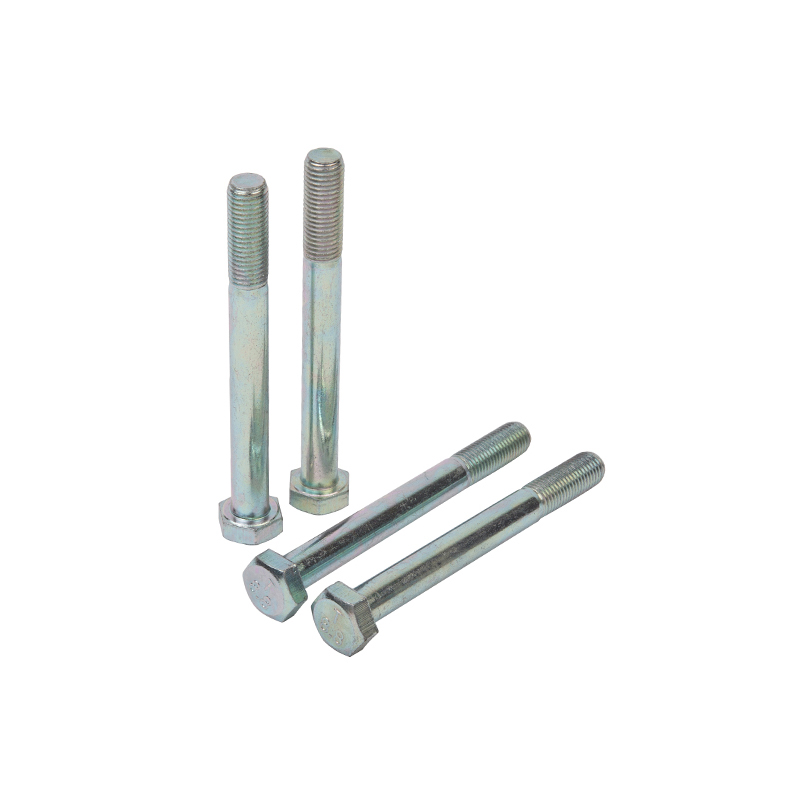
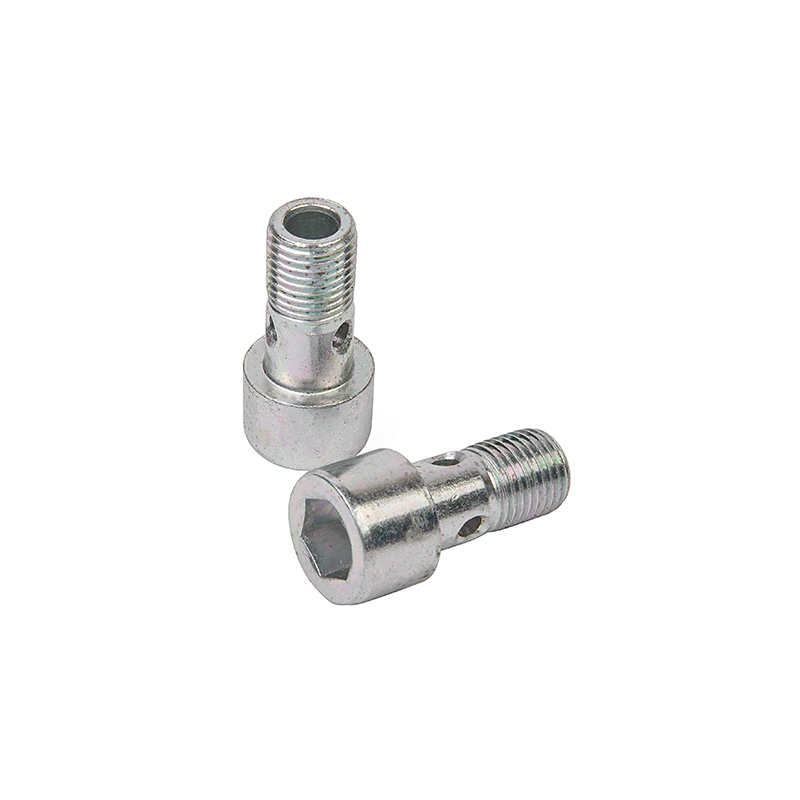
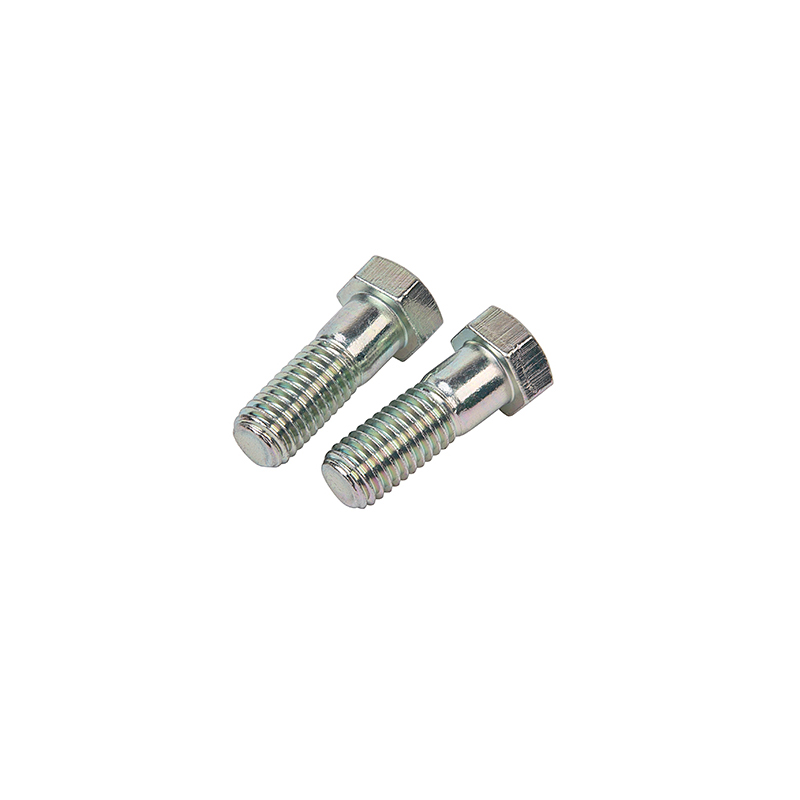
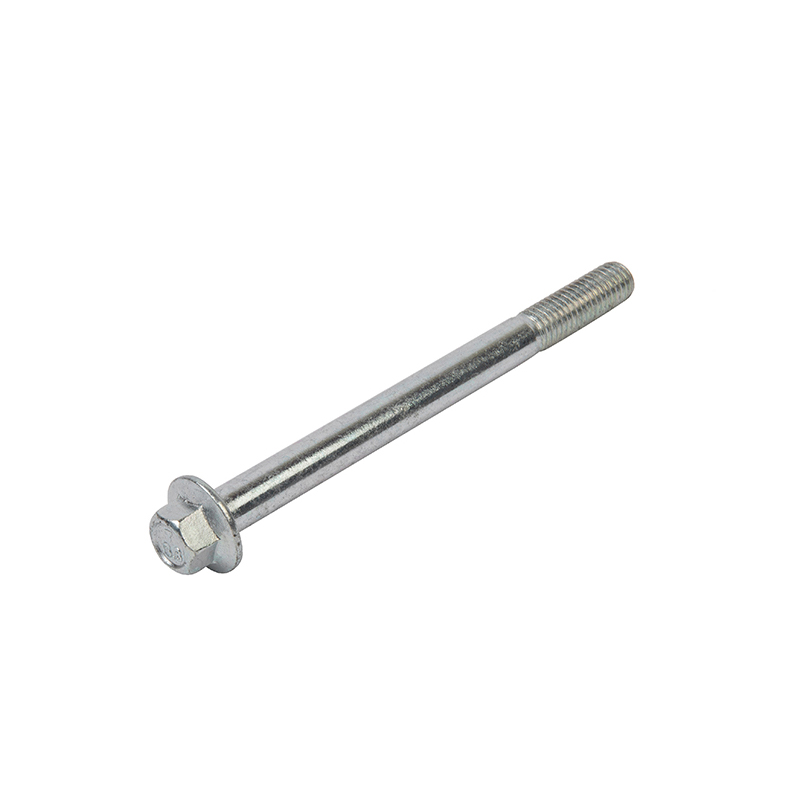
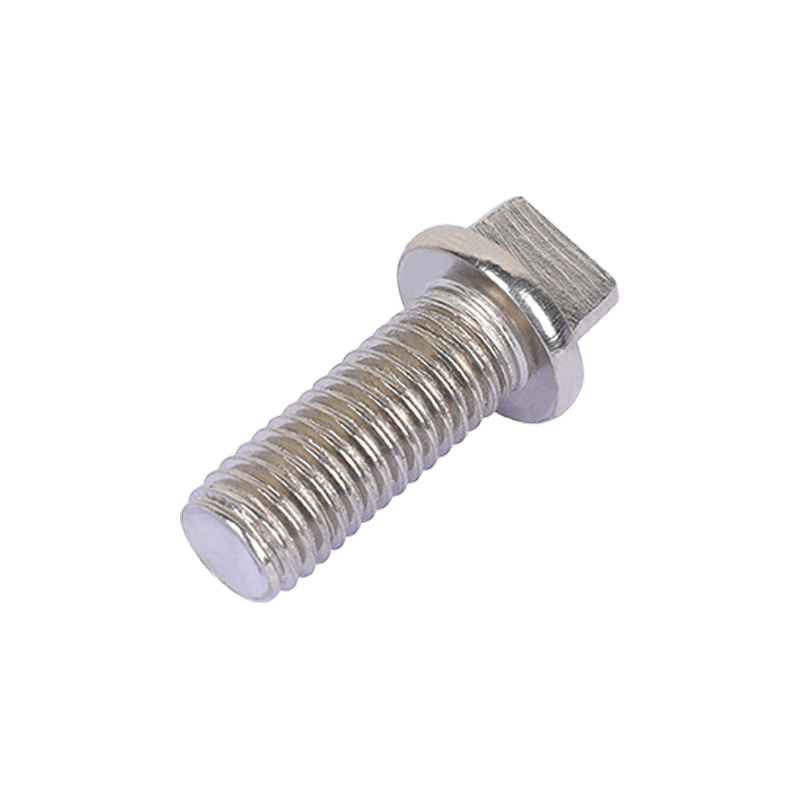
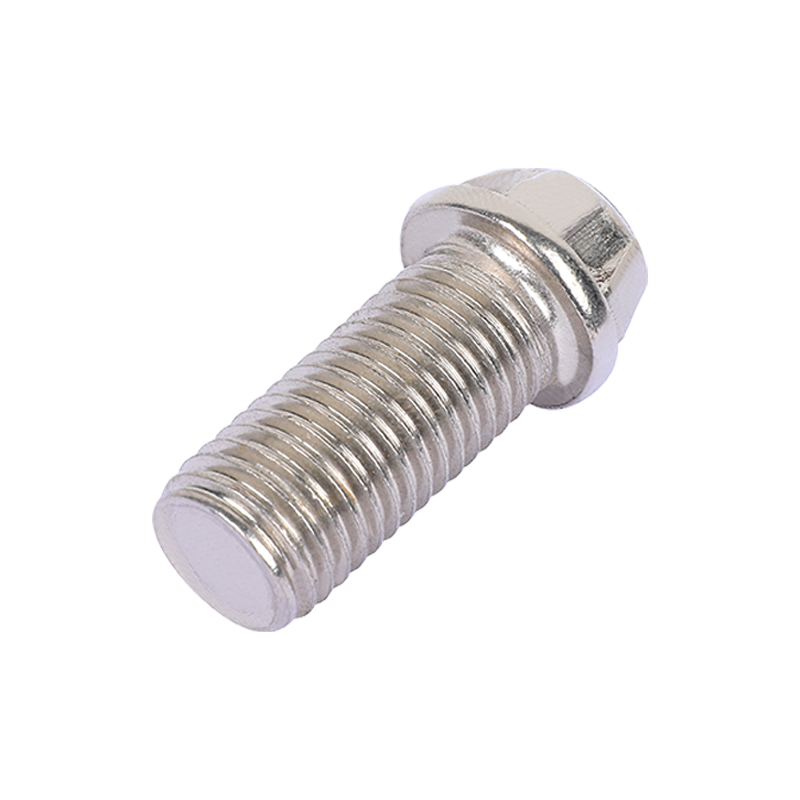
The common types of fasteners include screws, bolts, nuts, washers, and rivets. Each type of fastener is designed to fulfill a particular need. For example, screws and bolts are often used for assembling and securing two or more parts together, while nuts are paired with bolts to provide a tight fit. Washers help distribute pressure evenly across surfaces, and rivets are typically used for permanent joins in materials like metal and leather. The function of fasteners extends far beyond just holding things together; they are also integral to ensuring the structural integrity and safety of everything from a skyscraper to a spacecraft.
The manufacturing process for fasteners involves precision engineering and a range of materials to meet the demands of various industries. Fasteners are generally made from steel, stainless steel, aluminum, and other metals, depending on the required strength, durability, and resistance to environmental factors such as corrosion. For instance, aerospace fasteners need to be lightweight yet incredibly strong, while automotive fasteners are designed to withstand high temperatures and vibration. Advances in materials science have led to the development of high-performance alloys and coatings that further enhance the properties of fasteners. These innovations allow fasteners to meet the increasingly demanding requirements of modern industries, from resisting temperatures to being corrosion-resistant in harsh environments.
The fastener market itself is a dynamic and growing sector, with the global demand for fasteners projected to rise steadily over the next decade. This growth is driven by continued industrialization, infrastructure development, and technological advancements across various sectors. Emerging markets, particularly in Asia and Africa, are seeing rapid growth in construction, manufacturing, and automotive industries, which in turn drives the demand for fasteners.The demand for more specialized fasteners is growing, and manufacturers are increasing their investment in research and development to create customized solutions that meet the precise needs of modern applications. On the other hand, the growing focus on sustainability and the circular economy is driving innovation in reusable and recyclable fasteners, helping to reduce waste and promote environmental responsibility.
In conclusion, fasteners are far more than simple mechanical tools—they are essential elements in the functioning of modern society. From holding together the buildings we live and work in to ensuring the safety and performance of vehicles, machinery, and electronics, fasteners are integral to nearly every aspect of our daily lives. To meet market demands, the technologies and materials used to produce fasteners are constantly evolving, ensuring they continue to play a vital role in shaping the future of engineering and manufacturing.
Related Products

Copyright 2024 Zhejiang Wanyu Automotive Parts Co., Ltd. All Rights Reserved
Auto Fasteners Parts Factory

Contact Us