 English
 Español

Just write us your request & we will take care of the rest.
Understanding Metal screw Thread and Head Styles
In manufacturing and assembly environments, fastening components remain a constant requirement. A Metal screw provides a reusable or permanent method for joining parts made of metal, plastic, wood, or composite materials. Factories that produce these fasteners focus on consistent dimensions, material properties, and thread forms that match the demands of industrial buyers who integrate them into products or production equipment.
Basic Construction and Material Choices
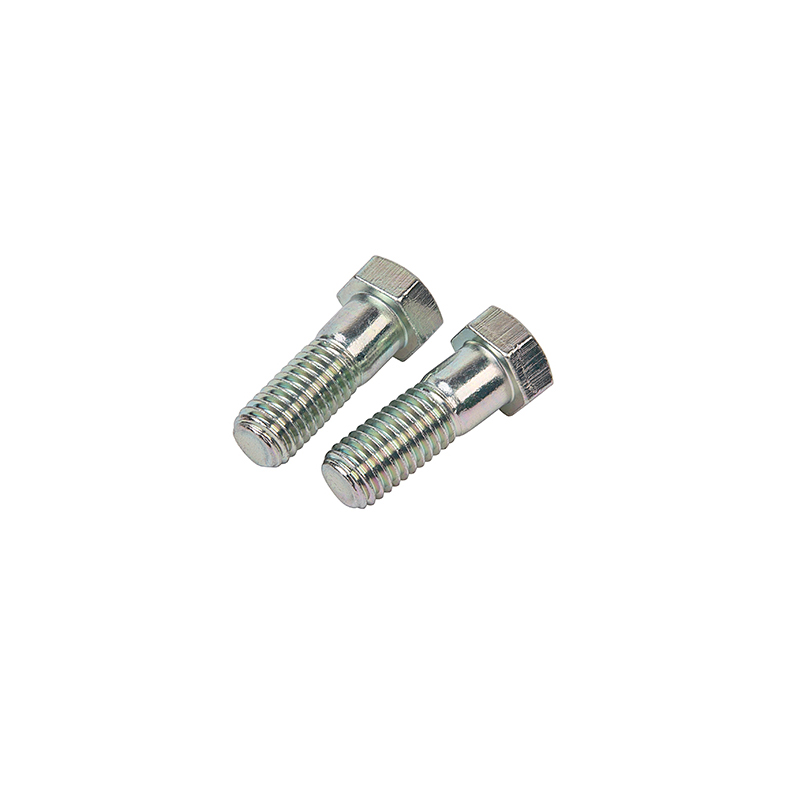
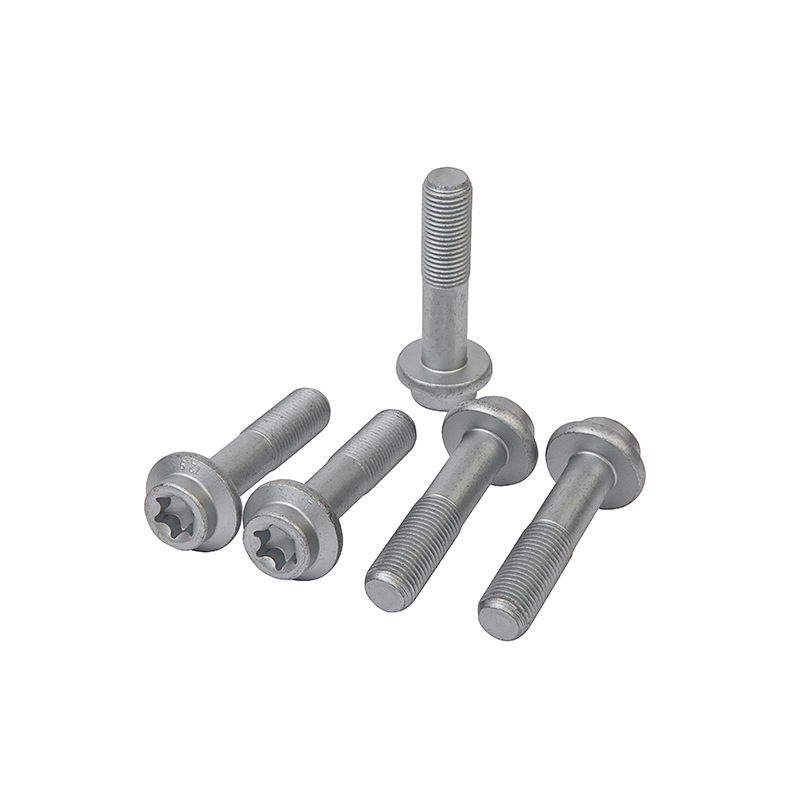
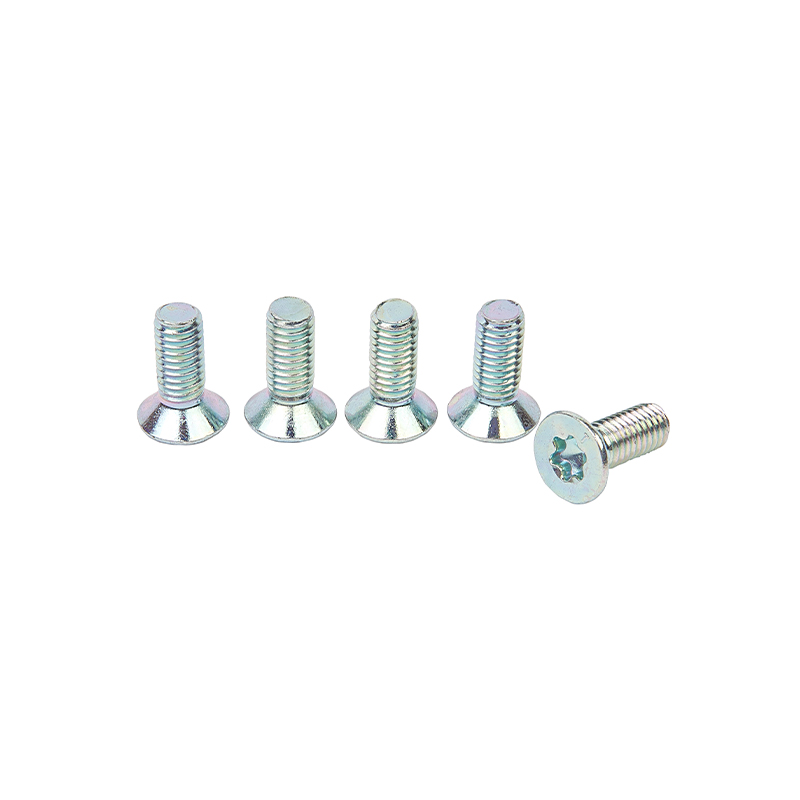
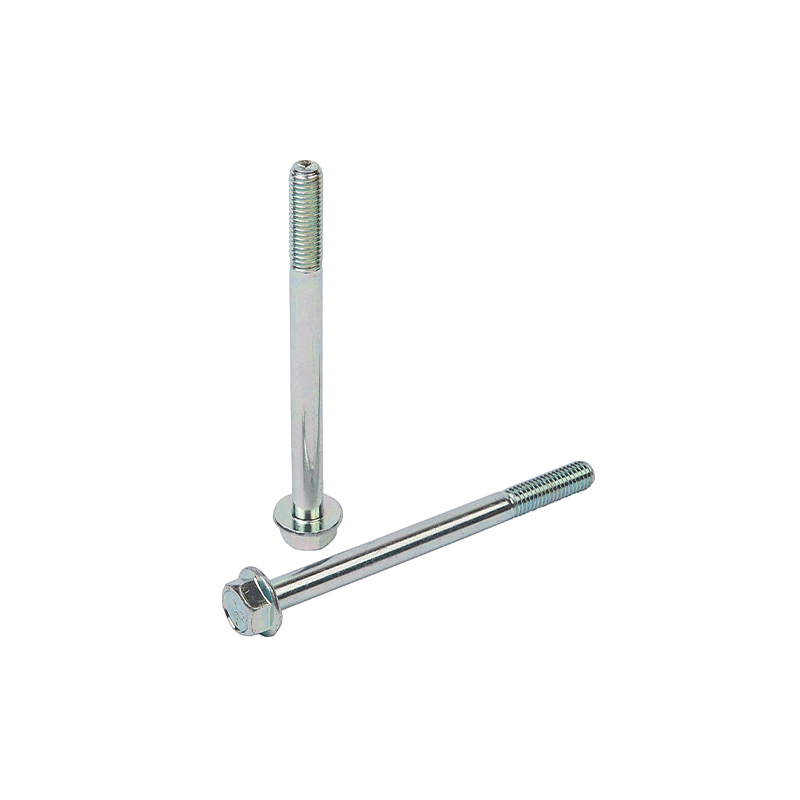
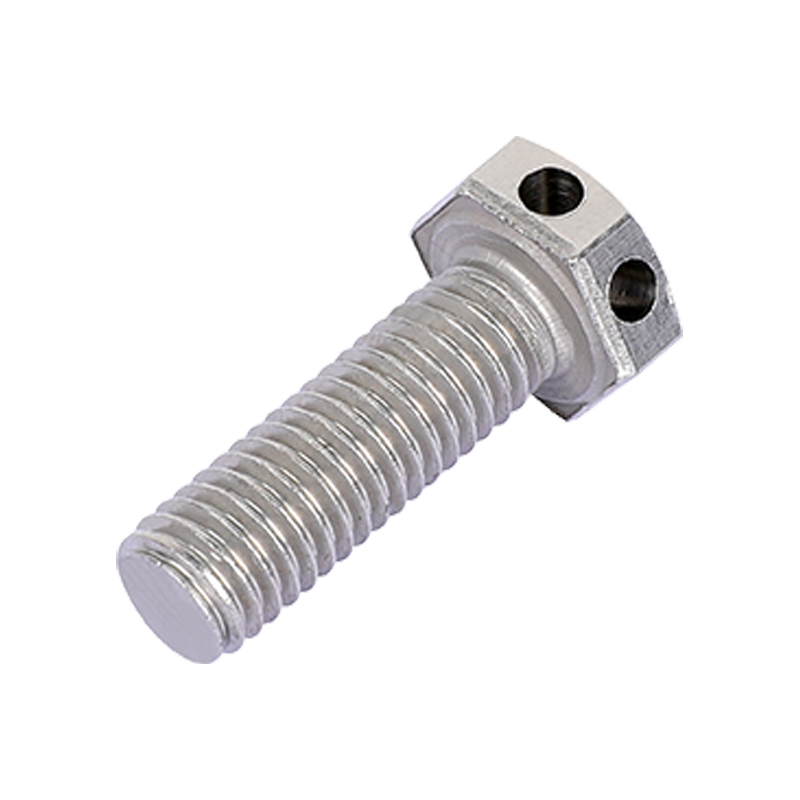
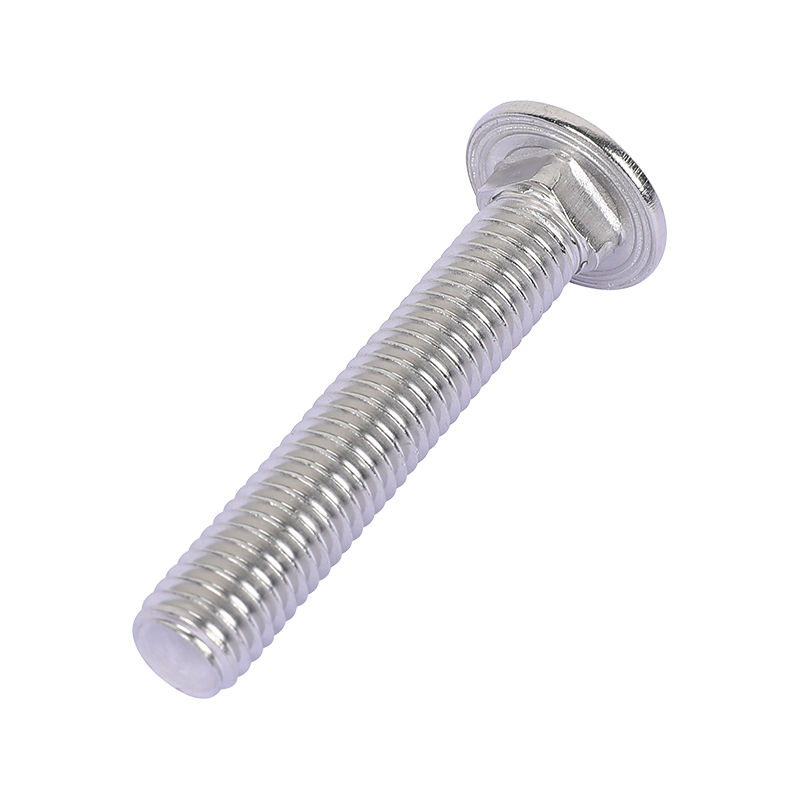
A Metal screw consists of a head, a threaded shank, and a tip designed for specific installation methods. The head shape determines how torque is applied and how the fastener sits against the surface. Common head styles include pan, flat, hex, and button heads. Drive types such as Phillips, slotted, hex socket, or Torx influence tool compatibility and resistance to cam-out during installation.
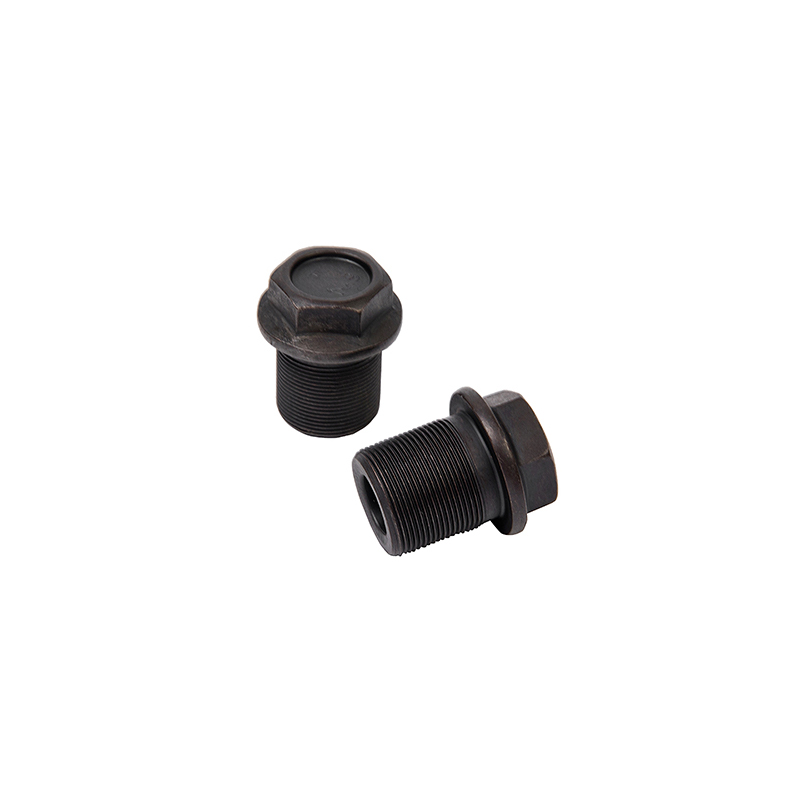
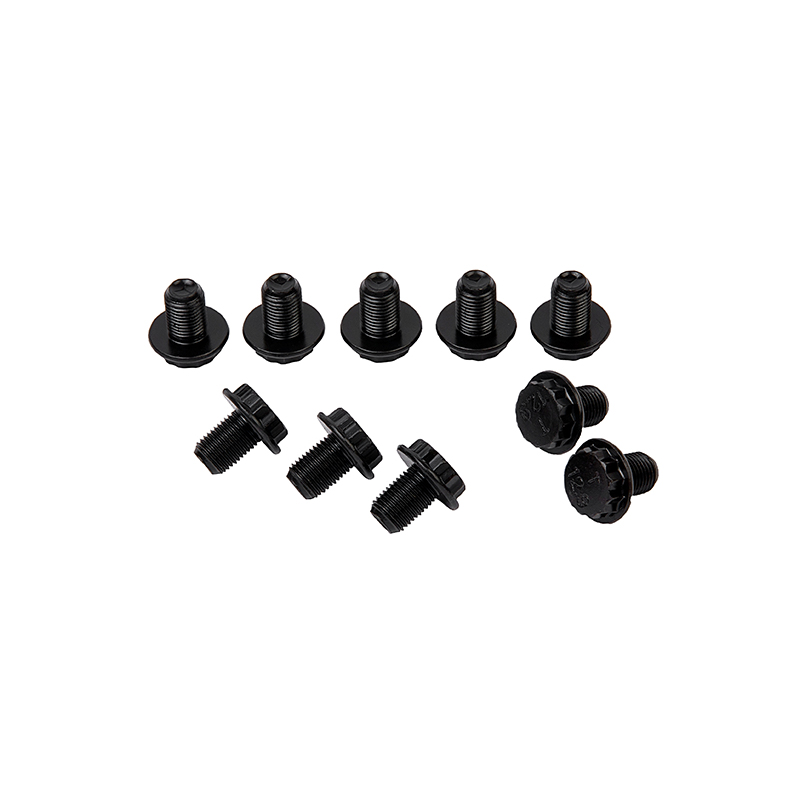
Material selection shapes performance under load and in different environments. Carbon steel offers strength for general indoor assembly. Alloy steel versions handle higher stress in mechanical joints. Stainless grades resist corrosion in humid or mildly aggressive settings. Some units receive surface treatments such as zinc plating or black oxide to improve appearance or add a basic barrier against oxidation.
Thread design varies by purpose. Machine threads pair with pre-tapped holes or nuts. Self-tapping versions cut or form their own threads in softer materials. Coarse threads suit materials that require stronger engagement, while finer threads provide greater holding power in thinner sections or when vibration is present.
Size Ranges and Dimensional Consistency
Buyers specify Metal screw products by diameter, length, and thread pitch. Diameter is often expressed in metric or imperial designations. Length is measured from under the head to the tip for styles, though flat-head versions include the head height. Consistent sizing across a production batch allows assembly lines to use the same drivers, torque settings, and hole preparations without frequent adjustments.
Factories maintain dimensional control through cold heading or machining processes that form the head and shank, followed by thread rolling that creates precise helical grooves. This approach produces uniform pitch and major diameter so that each Metal screw engages properly with mating components.
Applications in Production Environments
Assembly operations use Metal screw fasteners to join sheet metal panels, secure brackets, attach covers, and mount components on equipment frames. In furniture and appliance manufacturing, they hold structural parts and functional elements together. Electronics enclosures rely on smaller sizes to fasten circuit boards or outer housings.
Automotive and machinery builders incorporate them in non-critical joints where disassembly may be needed later. Construction-related fabrication shops apply larger diameters for connecting metal framing or securing fixtures. Packaging equipment and conveyor systems depend on reliable fasteners that withstand repeated vibration without loosening under normal operating loads.
In each setting, the Metal screw serves as a standardized joining element that supports both permanent builds and serviceable assemblies.
Selection Factors for Industrial Buyers
When evaluating a Metal screw, procurement teams examine thread type, material grade, head style, and drive system. Matching the thread form to the base material prevents stripping or weak engagement. Head style affects clearance in tight spaces and the distribution of clamping force. Drive type influences the tools already present on the production floor and the risk of damage during high-volume installation.
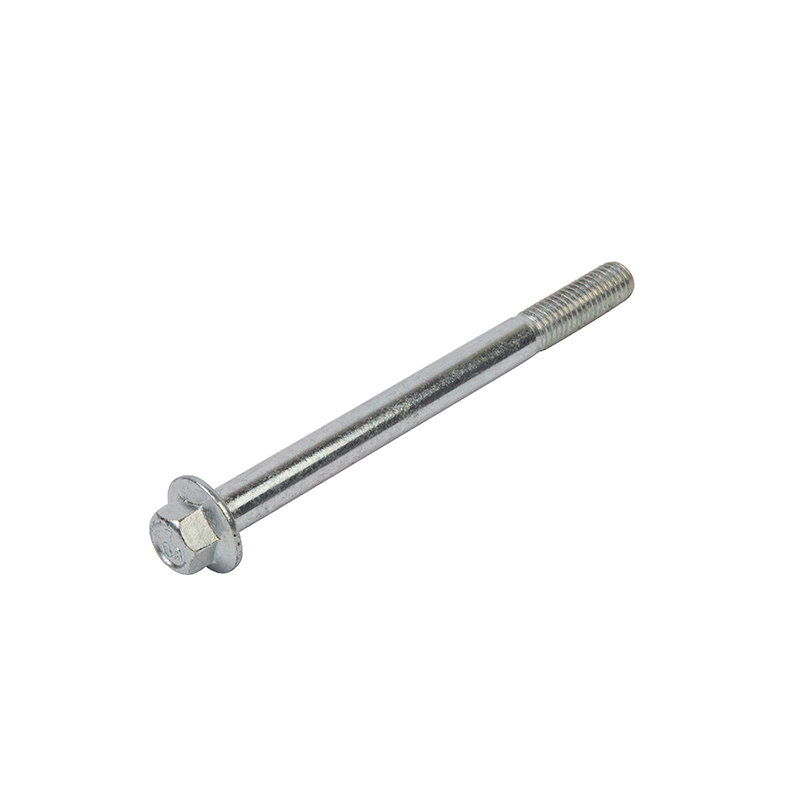
Length and diameter must align with the thickness of the materials being joined and the required engagement depth. Buyers also consider whether the application needs a fully threaded shank or a partially threaded one that provides an unthreaded shoulder for alignment.
Consistency in heat treatment and surface finish across lots supports predictable torque-tension relationships. Factories that produce these fasteners typically run high-volume heading, threading, and finishing lines that keep variation within tight tolerances. This uniformity helps buyers standardize their bills of materials and reduce the number of fastener variants stocked in inventory.
Related Products

Copyright 2024 Zhejiang Wanyu Automotive Parts Co., Ltd. All Rights Reserved
Auto Fasteners Parts Factory

Contact Us