 English
 Español
Just write us your request & we will take care of the rest.
Which T-Bolts Suit Different Applications?
What T-Bolts Are and How They Work
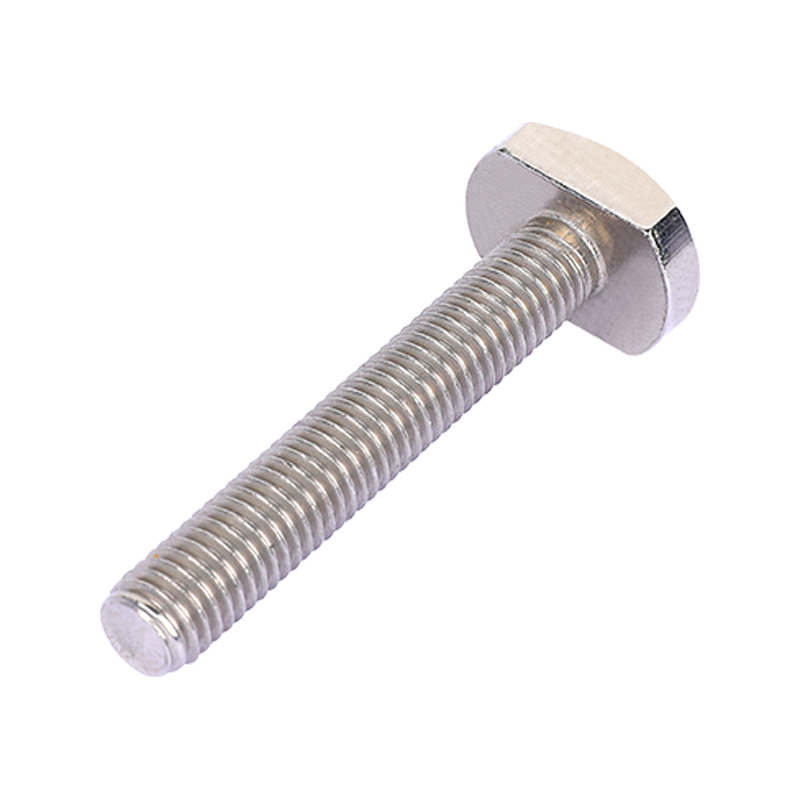
A T-bolt gets its name from its cross-sectional shape. The head of the fastener is wider and flatter than the shank, forming a T-profile that allows it to slide into a channel or slot rather than being inserted from the front like a conventional bolt. Once seated inside a T-slot track — a common feature on machine tables, aluminum extrusion frames, and fixture plates — the bolt is rotated a quarter turn so its head locks against the channel walls. Tightening a nut on the exposed threaded end then draws everything together securely.
This sliding-and-locking mechanism is what makes T-bolts genuinely useful. They allow components to be repositioned along a track without fully removing the fastener, which saves considerable time during setup and adjustment. In environments where precision and repeatability matter, that flexibility is a practical advantage rather than a minor convenience.
Where T-Bolts Show Up in Real Applications
T-bolts are widely used in CNC machining, where they secure workpieces to milling tables with T-slot grooves. Because the operator can slide the bolt to any position along the slot, it becomes straightforward to clamp irregularly shaped parts or adjust the holding points for different jobs. This adaptability reduces the need for specialized fixturing hardware and keeps setup times manageable.
Beyond machining, T-bolts are a standard component in modular framing systems built from aluminum extrusions. These systems are popular in automation, robotics, and custom equipment builds because they allow frames, brackets, and panels to be assembled, modified, and expanded without drilling new holes or welding. T-bolts slide directly into the extrusion channels and lock in place, making the entire structure both rigid and reconfigurable.
Choosing the Right T-Bolt for the Job
Material is one of the factors to consider when selecting T-bolts. Carbon steel T-bolts are a common choice for general industrial use because they offer solid strength at a reasonable cost. Stainless steel versions are better suited to environments with moisture, corrosive chemicals, or food contact, where rust resistance is a genuine concern. Some applications call for aluminum T-bolts, which reduce weight in situations where every gram matters.
Sizing is equally important. T-bolts need to match the slot dimensions of the track they are designed for — a mismatch between the bolt head width and the channel width will either prevent proper seating or allow unwanted movement. Thread size and shank length also need to suit the clamping depth and nut type being used. Consulting the specifications for both the T-slot profile and the T-bolt before purchasing saves the frustration of ordering parts that turn out to be incompatible.
Why T-Bolts Continue to Hold Their Place in Modern Engineering
Few fasteners offer the combination of adjustability, clamping strength, and reusability that T-bolts provide. In a manufacturing environment where changeovers are frequent and setups need to be both fast and reliable, that combination carries real value. As modular construction and flexible manufacturing continue to grow in popularity, T-bolts are unlikely to lose their relevance anytime soon. They are, in the practical sense, exactly the kind of fastener that rewards anyone who takes the time to understand them.
Related Products

Copyright 2024 Zhejiang Wanyu Automotive Parts Co., Ltd. All Rights Reserved
Auto Fasteners Parts Factory

Contact Us