 English
 Español

Just write us your request & we will take care of the rest.
Can nuts and bolts survive daily chaos?
An Introduction to Essential Hardware
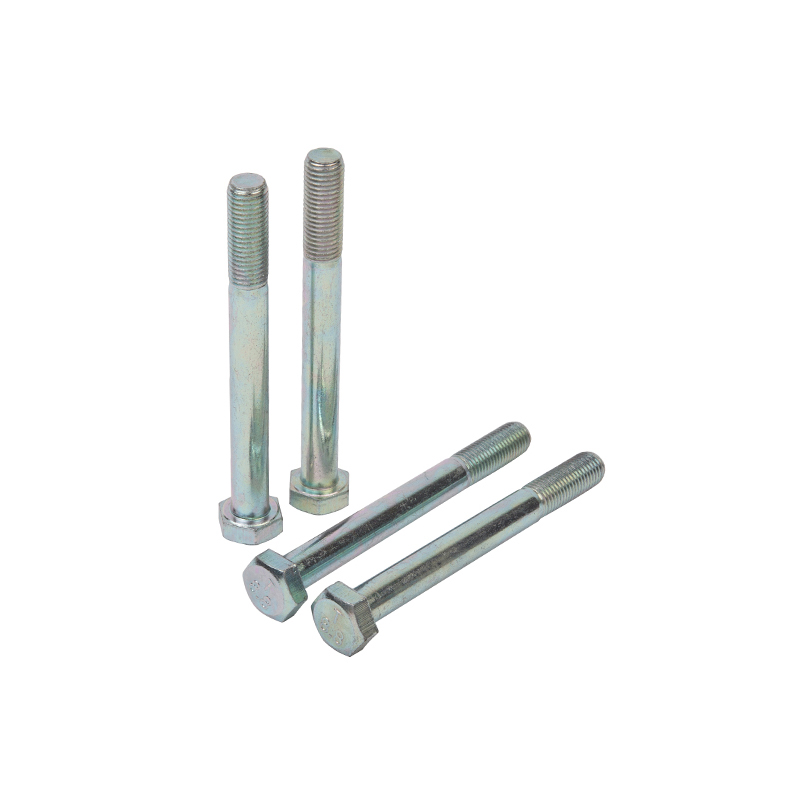
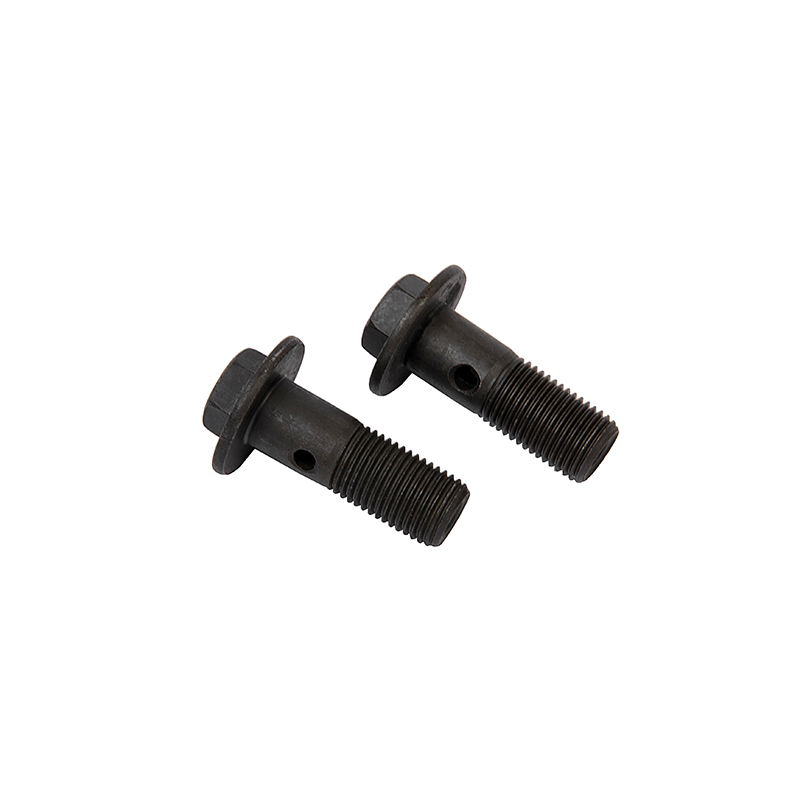
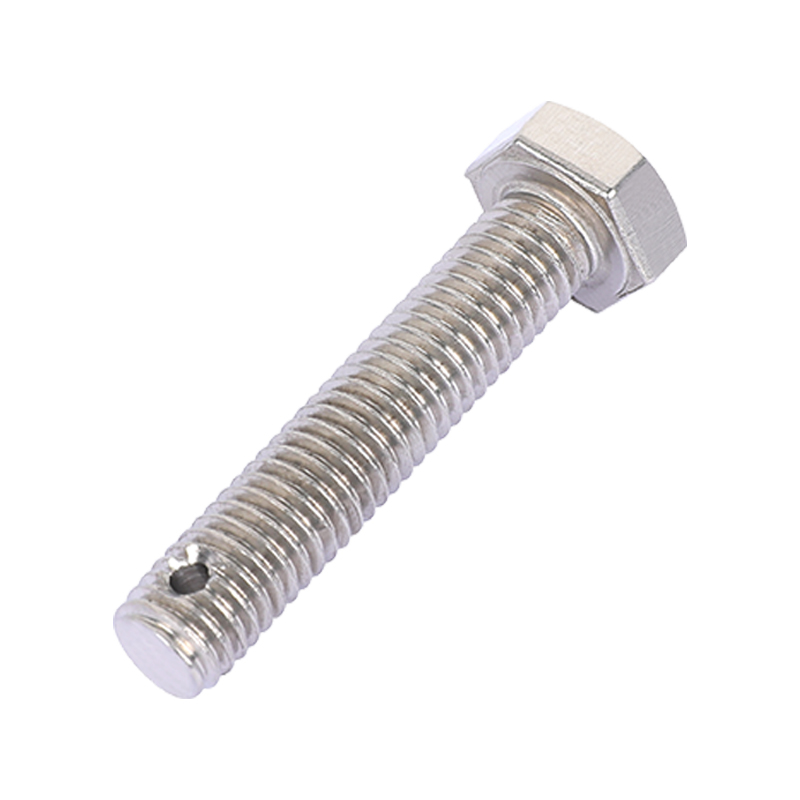
Nuts and bolts are among the simplest yet crucial elements in construction, machinery, and household projects. Despite their small size, these fasteners provide stability, allow for adjustments, and contribute to safety in countless applications. Nuts are threaded devices that work in tandem with bolts to secure materials together, forming a reliable joint that can withstand various forces. Bolts, on the other hand, are cylindrical rods with external threads designed to fit corresponding nuts.
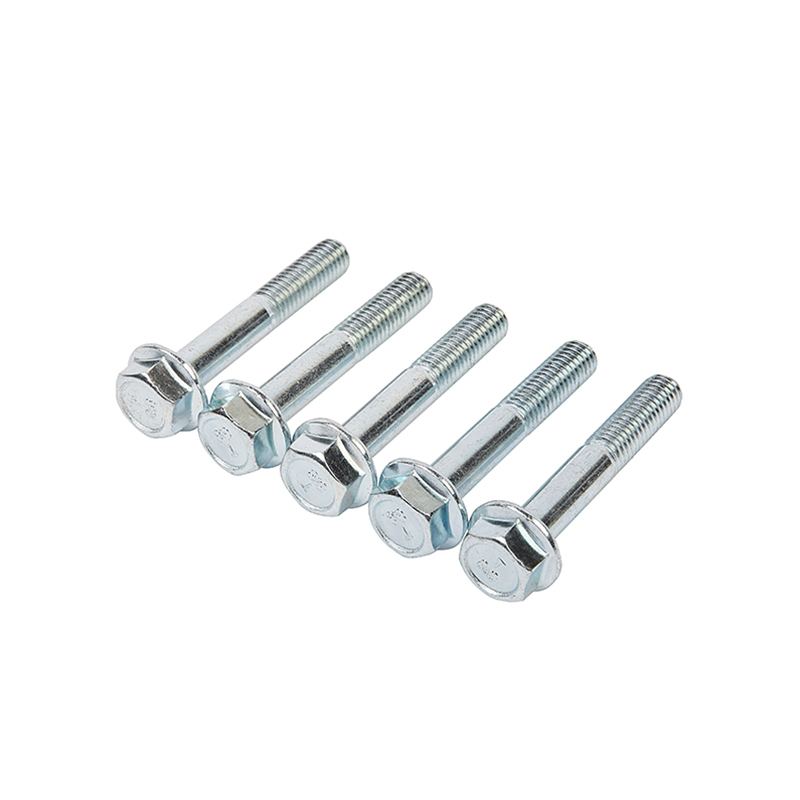
Understanding nuts and bolts begins with recognizing their shapes, materials, and sizes. While hexagonal heads dominate, other designs such as square, flange, or rounded heads exist to meet specific requirements. Materials range from stainless steel to brass and even plastic, each offering distinct resistance to corrosion, wear, and pressure. Sizes vary from tiny fasteners used in electronics to massive bolts designed for bridges or skyscrapers.
Manufacturing Techniques and Material Selection
Manufacturing nuts and bolts involves precise techniques to achieve consistent threads, dimensions, and mechanical properties. Cold forging is a common method where metal rods are shaped without heating, creating strong and durable threads. Hot forging, in contrast, heats the material before shaping, allowing for larger sizes and complex designs. Thread cutting and rolling further refine the surface, ensuring smooth engagement between nuts and bolts. Quality control plays a vital role in confirming uniformity, especially in applications where safety is critical.
Material choice significantly affects performance. Steel remains a dominant choice due to its strength and affordability. Stainless steel offers better resistance to rust and is preferred in environments exposed to moisture. Brass, while softer, resists corrosion effectively and is often used in decorative applications or plumbing. Combining manufacturing methods with suitable materials allows engineers to match nuts and bolts to the specific requirements of each project, extending their lifespan and functionality.
Applications Across Industries
Nuts and bolts serve diverse functions across multiple industries. In construction, they secure structural beams, join metal frameworks, and stabilize equipment. Automotive and transportation sectors rely on these fasteners to hold engines, wheels, and chassis components together, balancing durability with the need for maintenance and replacement. Machinery and industrial equipment use specialized bolts to manage vibrations, thermal expansion, and repeated mechanical stress. Even in everyday objects such as bicycles, furniture, or household appliances, nuts and bolts enable assembly, repair, and adjustment.
Their versatility extends to innovative applications as well. Some industries also adopt reusable or tamper-resistant designs to enhance safety or prevent unauthorized access. These examples illustrate that nuts and bolts are not just functional components—they are critical links that connect engineering concepts to practical solutions.
Maintenance and Safety Considerations
Proper installation and maintenance of nuts and bolts are essential to ensure long-term performance and safety. Over-tightening can damage threads or deform materials, while under-tightening may result in loose assemblies and potential failures. Using appropriate tools, torque specifications, and washers helps prevent these issues. Regular inspection is necessary in high-stress environments such as bridges, vehicles, or machinery where vibrations, temperature changes, or corrosion could compromise integrity.
Corrosion prevention is another key aspect of maintenance. Coatings such as zinc plating or galvanization protect steel fasteners from rust. Lubricants can ease tightening and reduce friction, preventing galling or seizing. Replacing worn or damaged fasteners promptly ensures continued safety and performance. Knowledge of these maintenance practices is crucial not only for engineers and technicians but also for hobbyists and DIY enthusiasts.
Related Products

Copyright 2024 Zhejiang Wanyu Automotive Parts Co., Ltd. All Rights Reserved
Auto Fasteners Parts Factory

Contact Us