 English
 Español
Just write us your request & we will take care of the rest.
Fasteners Help Build Things Faster And Smarter
The Importance of Fasteners in Everyday Life
Fasteners play a vital role in connecting, securing, and holding materials together across many industries and daily applications. From furniture assembly and home improvement projects to industrial machinery and automotive construction, fasteners ensure that structures remain stable and functional. Bolts, screws, nuts, rivets, and clips are common examples of fasteners that provide reliable joining solutions for a wide range of materials, including wood, metal, plastics, and composites.
In everyday life, fasteners may go unnoticed, but their absence can result in instability, safety concerns, or operational failure. For example, furniture assembled without screws or bolts can wobble or collapse, while automotive components require secure fasteners to prevent malfunctions. Even small projects, like mounting shelves or installing hardware, depend on appropriate fasteners to provide a stable, long-lasting result. Selecting the right type, size, and material for fasteners is therefore essential for both practical use and safety.
Types and Applications of Fasteners
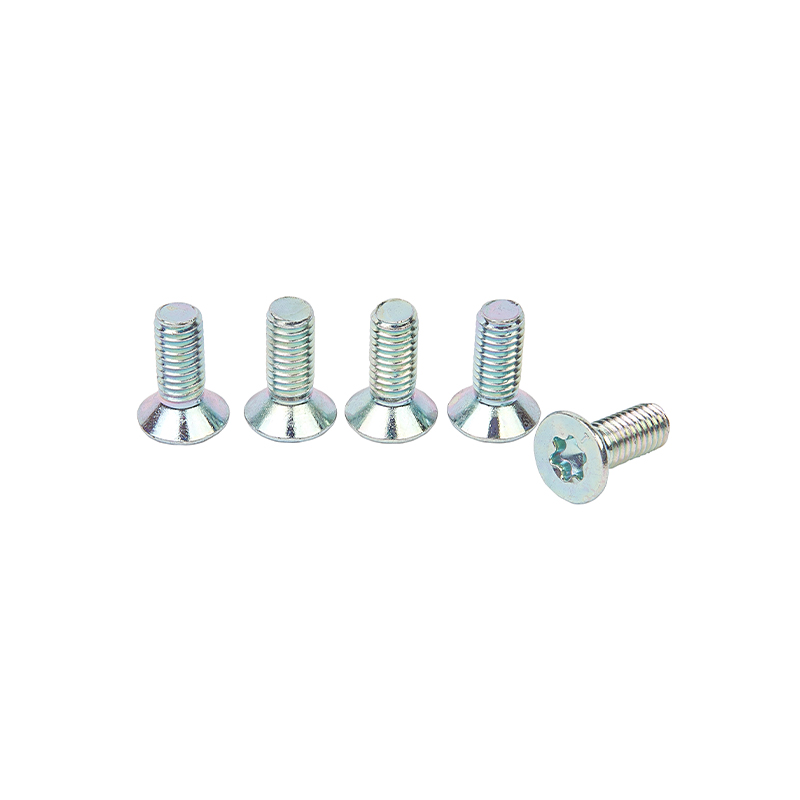
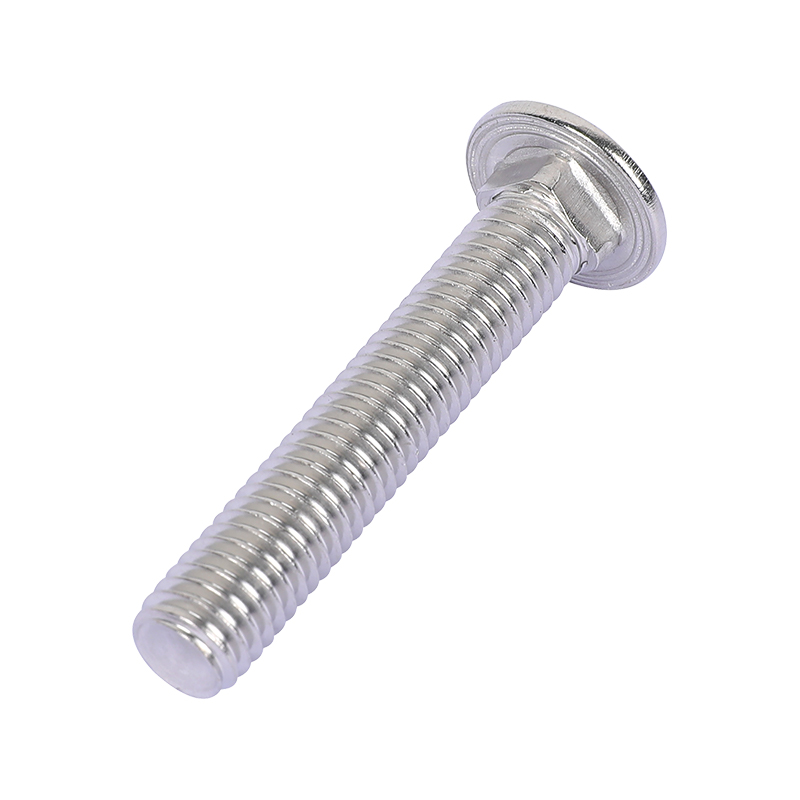
Fasteners are available in many varieties, each suited to specific tasks. Screws are widely used for wood and metal projects, offering ease of installation and strong holding power. Bolts paired with nuts create secure mechanical joints, commonly applied in machinery, automotive, and construction projects. Rivets provide permanent fastening solutions for materials that need a reliable, fixed connection, often seen in metal structures and aircraft assembly.
Clips, pins, and anchors serve niche applications, from temporary holds during assembly to specialized connections in electronics or plumbing. Different fastener materials, such as stainless steel, carbon steel, brass, and nylon, offer durability, corrosion resistance, or lightweight properties depending on project requirements. The versatility of fasteners allows them to meet demands in construction, home renovation, industrial manufacturing, and creative DIY projects, making them indispensable for many professionals and hobbyists alike.
Selecting the Right Fasteners
Choosing the right fastener for a specific task requires consideration of several factors. Material compatibility is critical; using a steel screw on soft wood or a brass fastener on aluminum may affect strength or cause wear over time. Load requirements and the type of connection, whether temporary or permanent, also influence fastener choice. For projects that experience vibration, expansion, or stress, using fasteners designed for secure hold and stability can prevent loosening or damage.
The size and threading of fasteners are equally important. Thread type, pitch, and diameter determine how well a fastener grips the material and distributes force. Fasteners should be installed according to manufacturer instructions, using appropriate tools to prevent damage or misalignment. For larger projects, considering the quantity, accessibility, and ease of replacement can save time and effort during assembly and maintenance.
Safety and efficiency are closely linked to correct fastener selection. Using inadequate or incorrect fasteners can compromise structural integrity, increase repair costs, and create potential hazards. For DIY enthusiasts, consulting guides, tutorials, or supplier recommendations can simplify the process, ensuring that projects remain sturdy and reliable.
Trends and Practical Advantages of Fasteners
Fasteners continue to evolve with materials and technology. Manufacturers develop innovative designs, coatings, and materials that enhance durability, reduce corrosion, and simplify installation. For example, self-tapping screws and quick-release fasteners allow users to install components without additional tools or pre-drilled holes, saving time and effort. Modular fasteners also enable flexible assembly for furniture, equipment, and machinery, supporting efficiency in both residential and commercial applications.
The practical advantages of fasteners extend beyond structural stability. They provide adaptability, allowing adjustments, replacements, or upgrades without dismantling entire systems. Fasteners support lightweight construction and compact designs by providing strong connections without adding unnecessary bulk. In industrial settings, organized fastener systems reduce assembly errors, improve productivity, and simplify maintenance, offering tangible benefits for professionals and consumers alike.
Related Products

Copyright 2024 Zhejiang Wanyu Automotive Parts Co., Ltd. All Rights Reserved
Auto Fasteners Parts Factory

Contact Us