 English
 Español
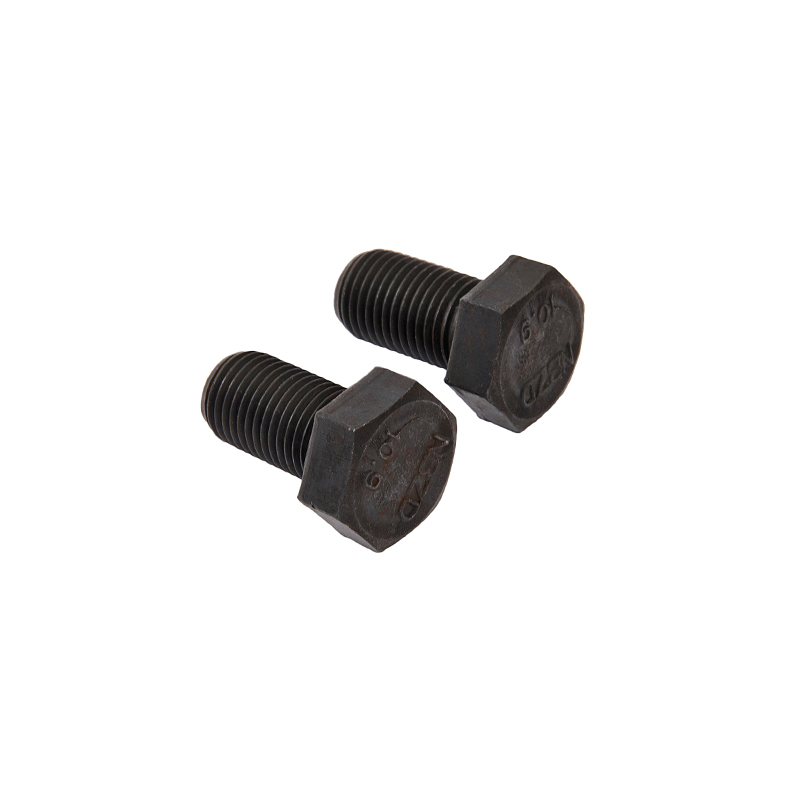
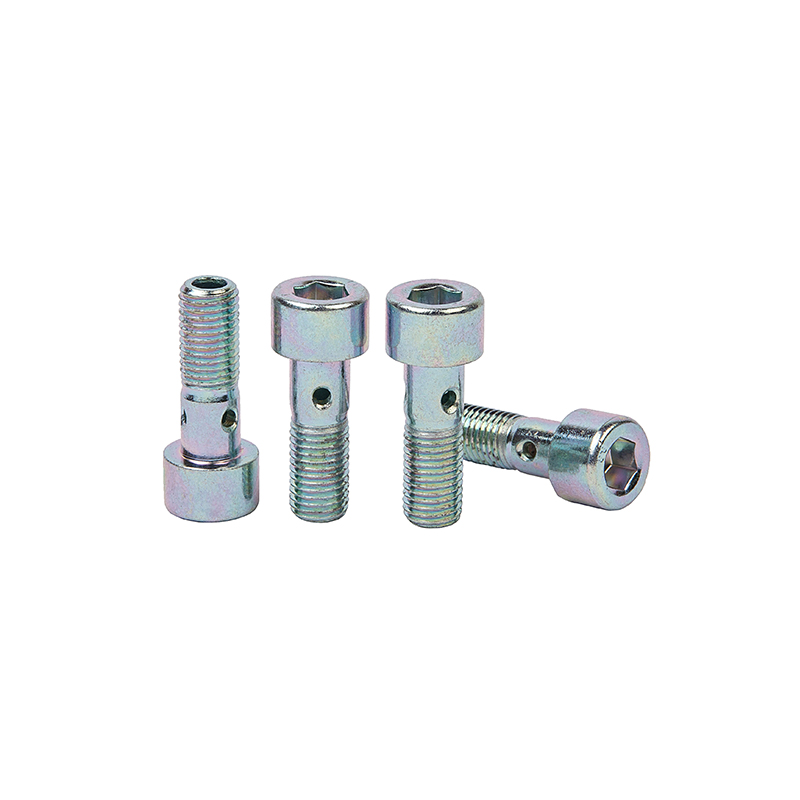
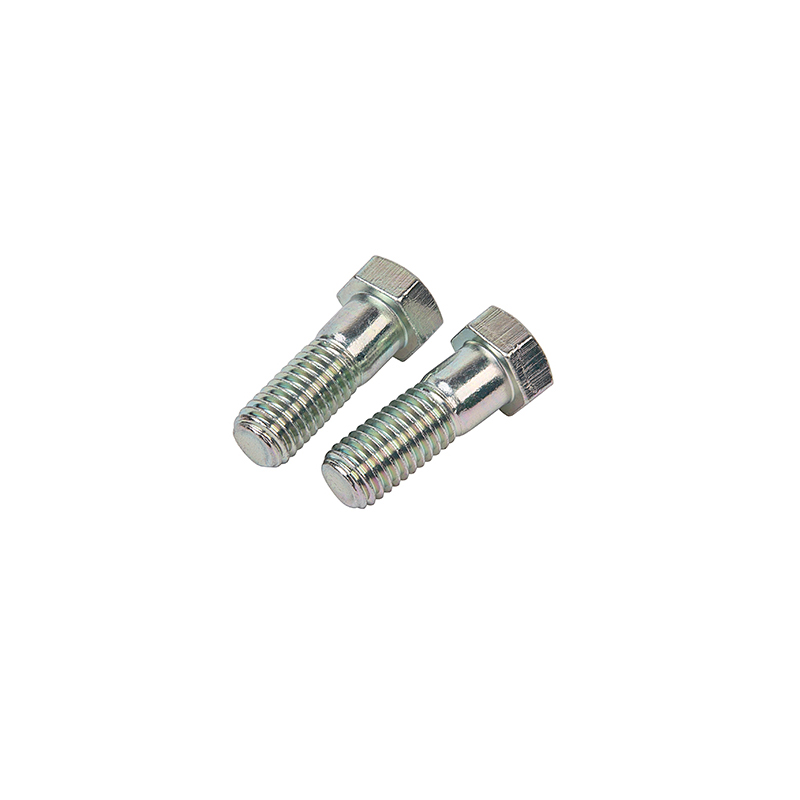
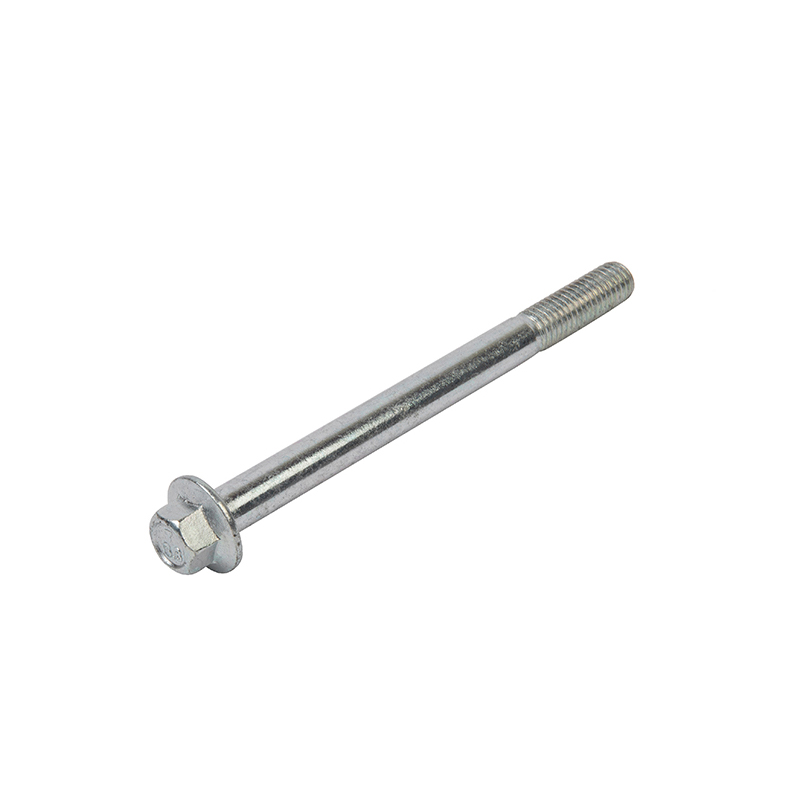
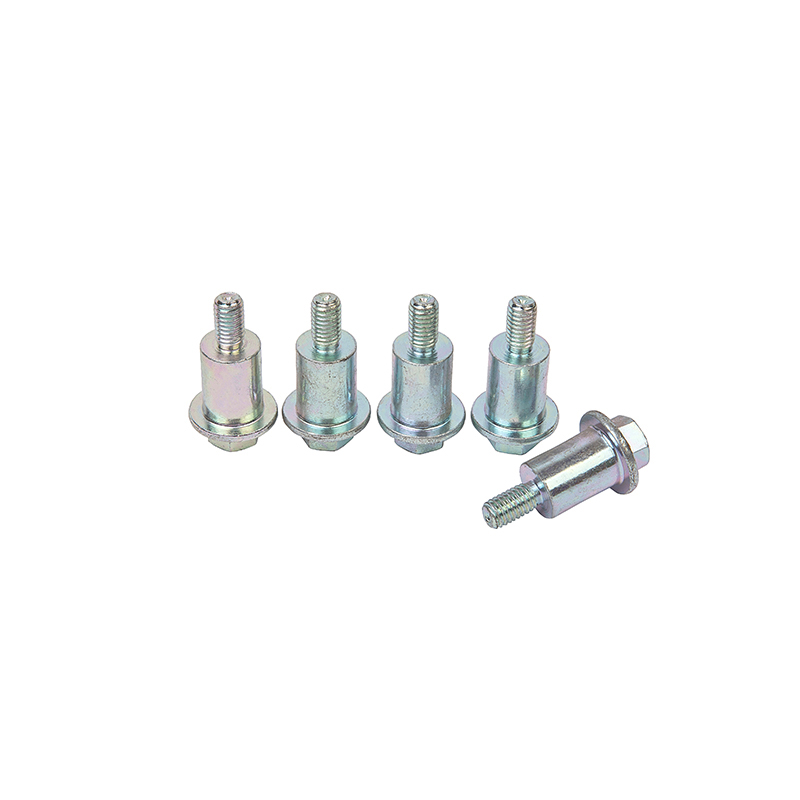
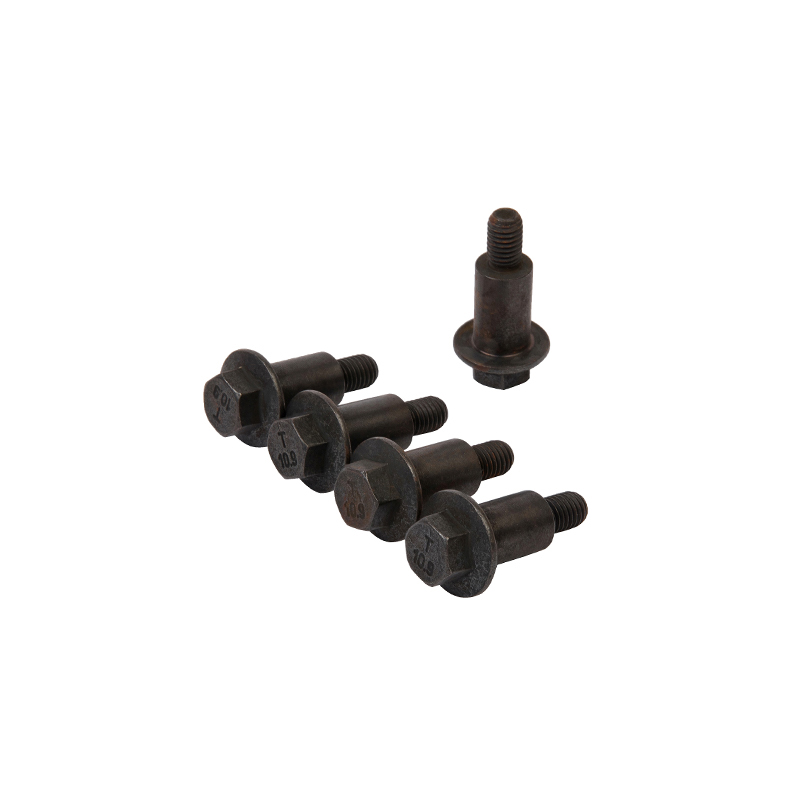
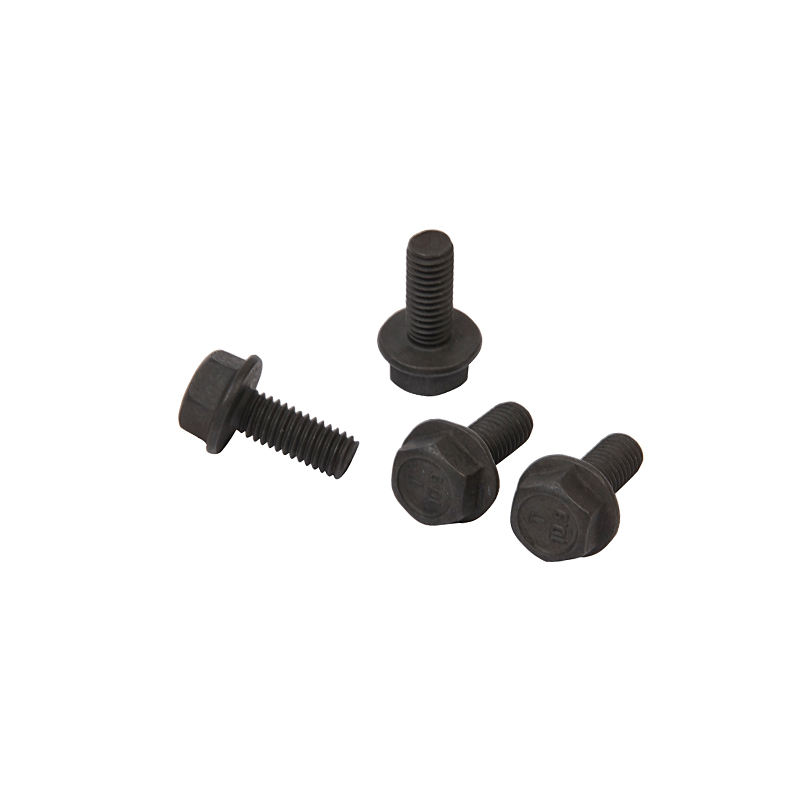
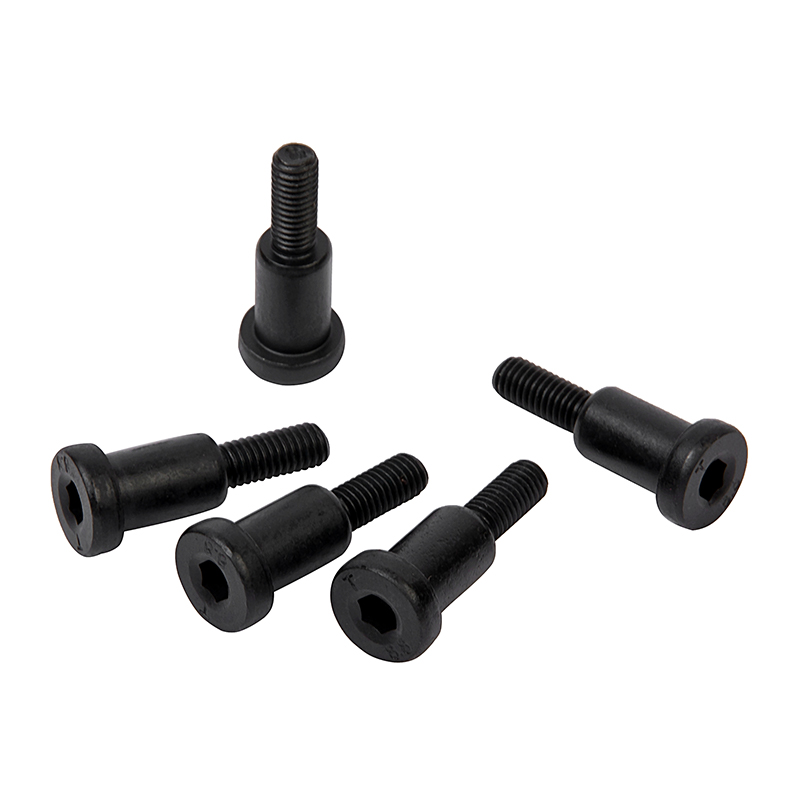
Just write us your request & we will take care of the rest.
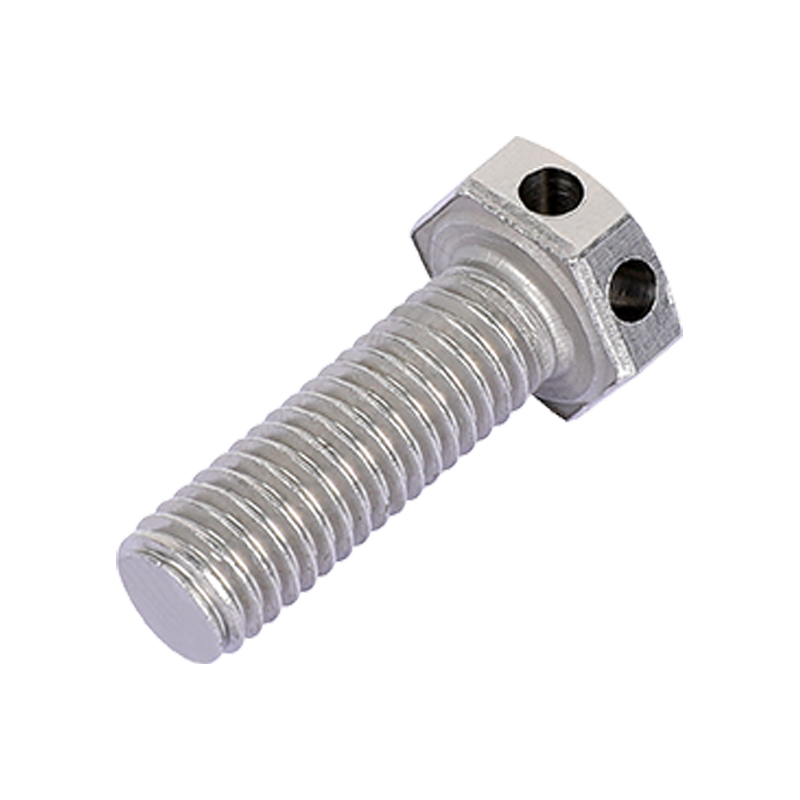
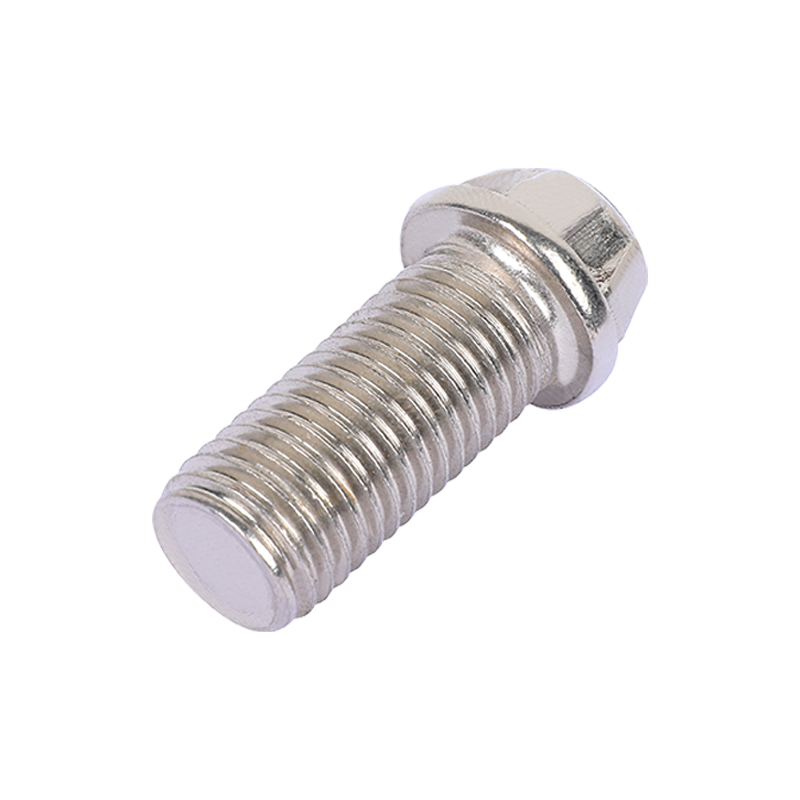
Metal screw Binds Materials with Precision and Care
Metal screws are among the fundamental components in construction, manufacturing, and everyday repair work, offering a reliable method for joining materials with precision and strength. These fasteners provide stability and durability, holding components together under mechanical stress, vibrations, and varying environmental conditions. Their modest appearance belies the important role they play, quietly binding surfaces and creating connections that endure time and use.
The design of metal screws varies according to purpose and application. Different head types, thread patterns, and lengths allow engineers and builders to select the right screw for each task. Some screws are intended for wood, others for metal, and specialized screws handle plastic or composite materials. Materials such as stainless steel, brass, and coated alloys provide resistance to corrosion, wear, and mechanical strain, ensuring the reliability of the connection over extended periods. Thread design and pitch are carefully engineered to grip surfaces tightly, distributing forces evenly and preventing loosening under vibration or movement.
Ease of use makes metal screws a preferred fastener in a wide range of applications. They can be driven by manual screwdrivers, electric drills, or automated assembly equipment, allowing for both flexibility and efficiency. In workshops, construction sites, and assembly lines, metal screws save time while providing dependable fastening solutions. Even hobbyists and DIY enthusiasts rely on metal screws for their combination of practicality and precision.
Safety and proper installation are essential when using metal screws. Applying the correct torque, choosing suitable screw types, and ensuring accurate alignment are important to prevent stripped threads, damaged materials, or loose connections. In industrial and construction settings, adherence to installation standards safeguards both workers and the structures they build. Guidelines on drilling pilot holes, using washers, and matching screw size to material thickness help maintain stability and reduce the likelihood of failure. Attention to these details ensures that metal screws deliver both strength and longevity, fulfilling their role in supporting structures and machinery.
Metal screws also provide economic and practical benefits. Their use reduces the need for welding, adhesives, or complex joining methods, lowering labor costs and simplifying assembly. Standardization of screws allows for consistent quality across projects, ensuring that each fastener performs as expected. For manufacturers, construction professionals, and hobbyists, metal screws provide a versatile and cost-effective solution that can adapt to various applications. Their durability also contributes to sustainability, as reliable screws reduce the frequency of repairs and replacements over time.
The environmental impact of metal screws is influenced by their material selection and longevity. Corrosion-resistant metals extend the life of products, reducing waste and the need for frequent replacements. Proper installation minimizes damage to materials, preventing structural weakening and conserving resources. Metal screws exemplify efficiency in construction, creating strong connections that support both functionality and resourceful use of materials. Their balance of strength, precision, and adaptability makes them a cornerstone of modern manufacturing and construction practices.
Metal screws provide essential strength and stability in joining materials across countless applications. Their carefully engineered design, ease of use, and reliability make them indispensable for construction, manufacturing, and repair. These fasteners quietly uphold the integrity of structures, machinery, and everyday objects, demonstrating how a simple component can carry significant weight in engineering, craftsmanship, and daily life.
Related Products

Copyright 2024 Zhejiang Wanyu Automotive Parts Co., Ltd. All Rights Reserved
Auto Fasteners Parts Factory

Contact Us