 English
 Español
Just write us your request & we will take care of the rest.
Hexagon Bolts Manufacturing and Practical Installation Tips
The Shape That Keeps Things Tight
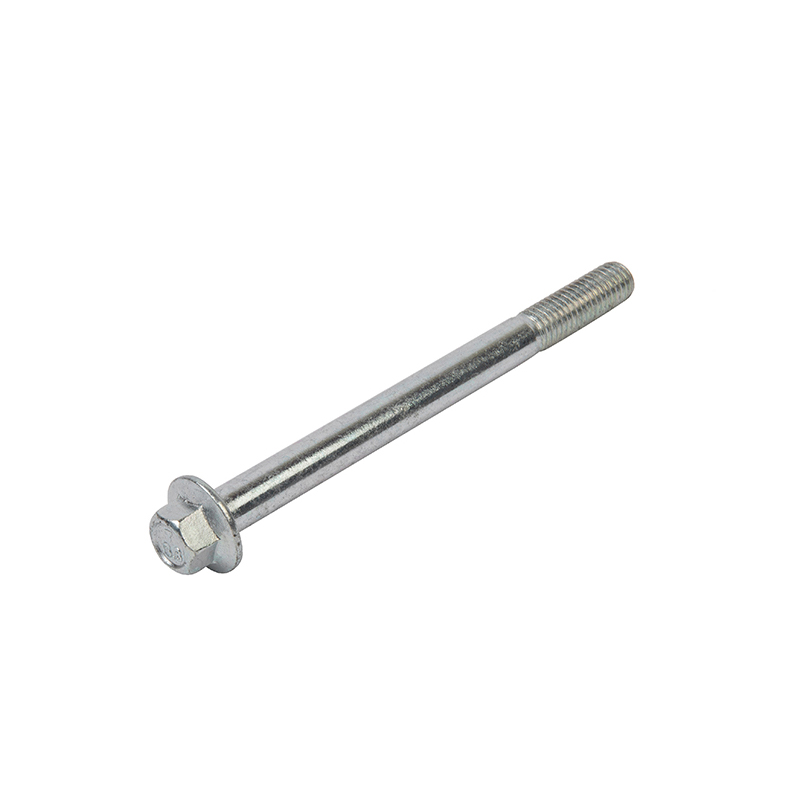
Hexagon bolts have a six-sided head that makes gripping and turning straightforward. The shape allows wrenches to apply even pressure across all sides, reducing slippage during assembly. In manufacturing, hexagon bolts are produced from high-quality steel or alloys that maintain their shape under stress. Precision threading ensures that bolts fit nuts or threaded holes exactly, allowing reliable connections across mechanical systems. The hexagonal design is simple but highly effective, letting workers tighten fasteners consistently and predictably.
Hexagon bolts also support modular design. Machines or structures can be assembled and disassembled without complex tools, saving time on production lines. Engineers can adjust tension easily, which is particularly useful in machinery that undergoes repeated vibration or thermal expansion.
Manufacturing Hexagon Bolts: Precision at Every Turn
Production of hexagon bolts involves multiple steps to ensure consistency. Steel rods are cut to size, then forged or cold-formed into the characteristic hex head. Threading is added through rolling or cutting, depending on the intended application. Each bolt passes inspection for dimensional accuracy and thread uniformity. Automated machinery and careful quality control help maintain standards across thousands of units.
During manufacturing, even minor imperfections are corrected. Surface finishing, such as coating or plating, improves durability and provides a smoother fit when inserted into components. These steps ensure that every bolt performs reliably. Production lines emphasize repeatability, allowing each bolt to meet design specifications consistently.
Hexagon Bolts in Everyday Assembly
Hexagon bolts appear across industries, from automotive to construction. They connect metal frames, secure engine components, and hold machinery together. Workers value hexagon bolts for their predictable threading and ability to maintain torque. The hex head design simplifies installation with hand tools or powered wrenches, reducing assembly time and effort.
In construction, hexagon bolts are often used in steel structures and scaffolding. The bolts’ consistent size and threading allow engineers to plan joints precisely, minimizing error and ensuring structural integrity. Even in smaller equipment, hexagon bolts provide the stability needed for operational safety. Their versatility makes them a common choice across many assembly tasks.
Performance Under Pressure
Hexagon bolts are designed to withstand significant stress without deforming. High-strength materials allow them to hold mechanical components securely even under vibration, heavy load, or temperature changes. Threaded connections maintain tension over time, preventing loosening in dynamic environments.
Testing in factories includes torque measurements and load simulations. Bolts are assessed to confirm that they maintain tight connections under conditions similar to real-world applications. This ensures that machinery or structures remain reliable and functional throughout their service life. Workers and engineers depend on this predictable performance for safe and efficient operations.
Design and Practical Considerations
Beyond strength, hexagon bolts are designed for usability. Standardized sizing and threading allow bolts to be interchangeable across components. The hex head provides multiple points of contact for wrenches, reducing risk of rounding or slipping. Bolts may come in different lengths, diameters, and coatings depending on requirements, giving engineers flexibility in design.
In production planning, bolts are often selected based on load requirements, material compatibility, and assembly speed. The combination of design and practicality allows hexagon bolts to remain a staple in mechanical engineering, construction, and industrial manufacturing. Small details, such as chamfered edges or uniform threads, make installation smoother and reduce assembly errors.
Related Products

Copyright 2024 Zhejiang Wanyu Automotive Parts Co., Ltd. All Rights Reserved
Auto Fasteners Parts Factory

Contact Us