 English
 Español

Just write us your request & we will take care of the rest.
How Socket head cap screw Designs Aid Assembly?
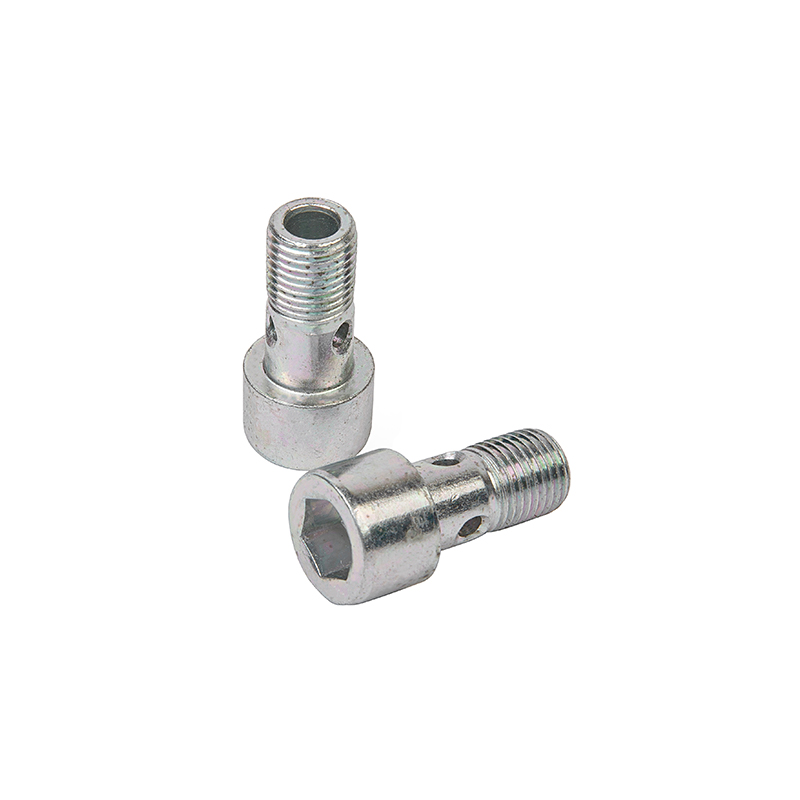
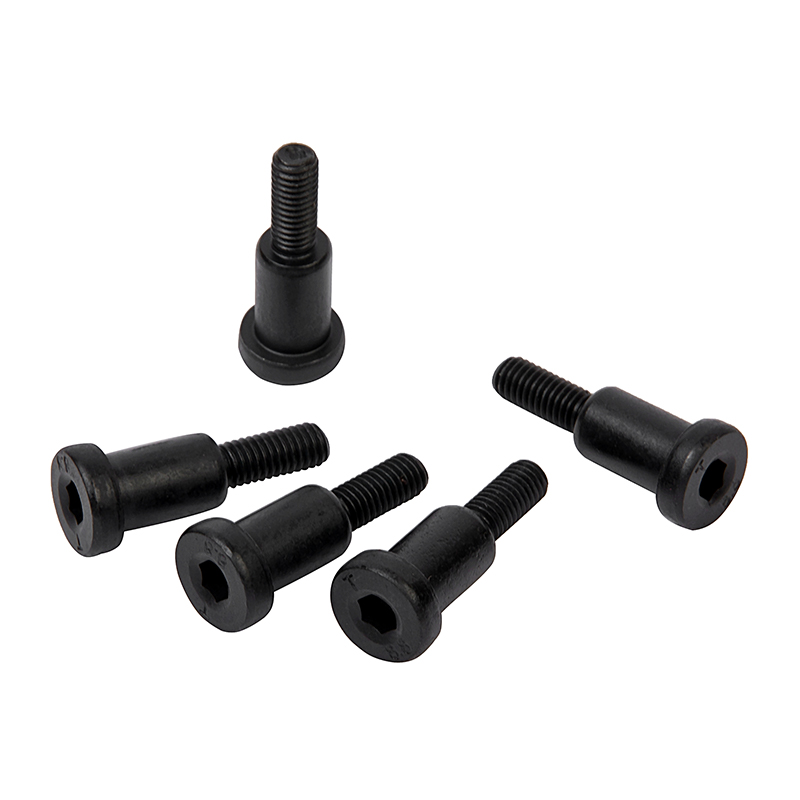
In industrial assembly and equipment building, fasteners that fit into tight spaces while delivering solid clamping force remain essential. A Socket head cap screw meets this need through a cylindrical head with an internal hexagonal drive and a fully or partially threaded shank. Factories producing these fasteners concentrate on precise head geometry, consistent thread forms, and material properties that support repeated use in machinery, fixtures, and structural joints.
Thread Forms and Shank Options
Thread geometry on a Socket head cap screw usually follows standard metric or unified coarse or fine pitches. Fully threaded versions provide continuous engagement along the entire length under the head. Partially threaded designs leave an unthreaded shoulder that can serve as a locating diameter or provide additional shear strength in certain joint configurations.
The tip is commonly chamfered or slightly pointed to aid starting into a tapped hole. Thread rolling during production creates the helical profile while work-hardening the surface of the shank, which contributes to strength without additional processing steps in many cases.
Material and Surface Considerations
Carbon steel forms the base material for a large share of Socket head cap screw production. Alloy steels appear when higher tensile requirements exist. Stainless grades provide resistance to corrosion in environments where moisture or mild chemicals are present. Heat treatment adjusts hardness and strength levels to match intended load conditions.
Surface finishes range from plain black oxide to zinc plating or other thin coatings. These finishes influence appearance and offer a basic level of protection during storage and handling. The choice of material and finish depends on the surrounding components and the operating conditions of the final assembly.
Production Approaches in Fastener Manufacturing
Factories form the head of a Socket head cap screw through cold heading or hot forging, depending on size and volume. The hexagonal socket is created either during heading or by secondary machining. Thread rolling follows, using dies that displace material to form accurate threads. Subsequent heat treatment and finishing complete the process.
Dimensional control focuses on head diameter, socket depth, thread major diameter, and overall length. Consistent geometry across a production run allows assembly teams to use the same tools and torque values without frequent recalibration. High-volume lines combine heading, threading, and heat-treatment equipment to maintain steady output while holding tolerances that support reliable engagement in tapped holes.
Applications in Equipment and Machinery
Machine tool builders rely on Socket head cap screw fasteners to secure covers, bearing housings, and tooling plates. The low-profile head keeps surfaces clear for moving parts or operator access. Fixture designers use them to clamp workpieces or attach modular elements where external hex heads would interfere.
In automation equipment, these screws hold sensors, brackets, and linear components in place. Their ability to seat into counterbored holes produces a clean appearance and reduces the chance of snagging on nearby mechanisms. Structural frames and enclosures also incorporate them for joints that may require later disassembly for service or modification.
Across these uses, the Socket head cap screw provides a balance of clamping force, space efficiency, and tool access that suits precision and general industrial assemblies alike.
Related Products

Copyright 2024 Zhejiang Wanyu Automotive Parts Co., Ltd. All Rights Reserved
Auto Fasteners Parts Factory

Contact Us