 English
 Español

Just write us your request & we will take care of the rest.
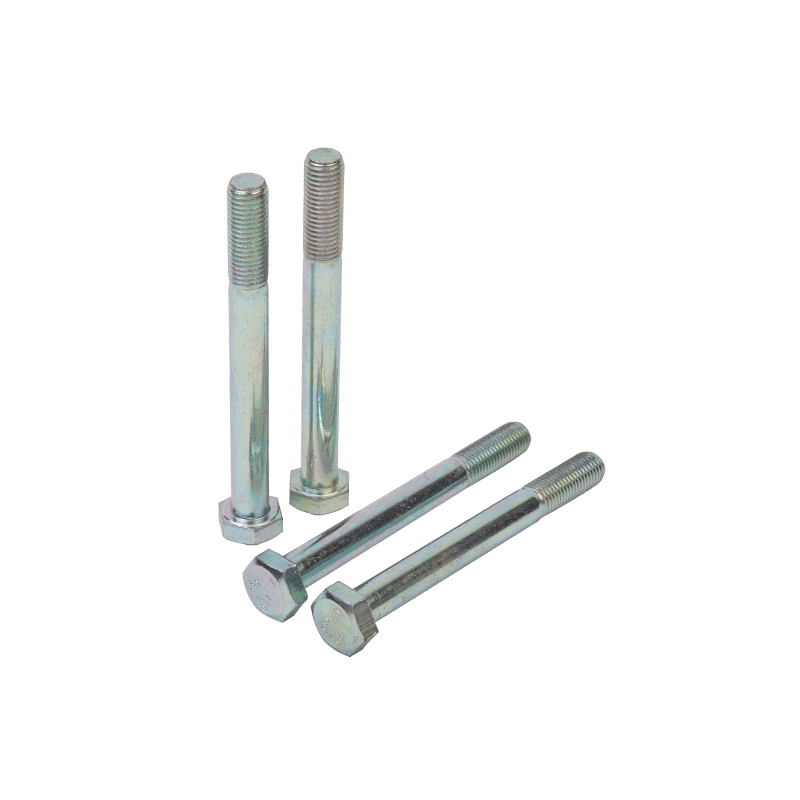
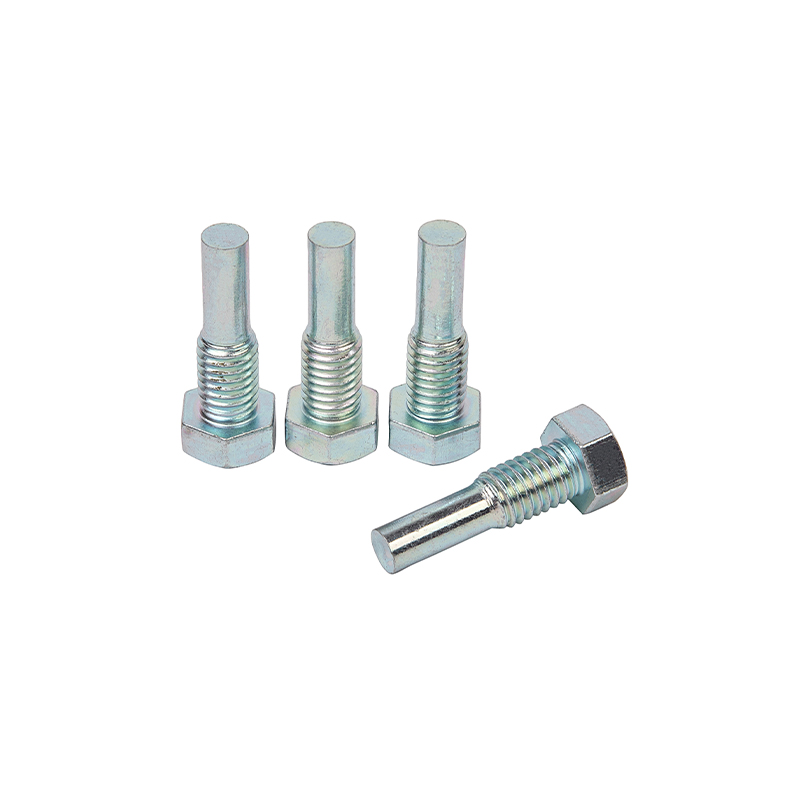
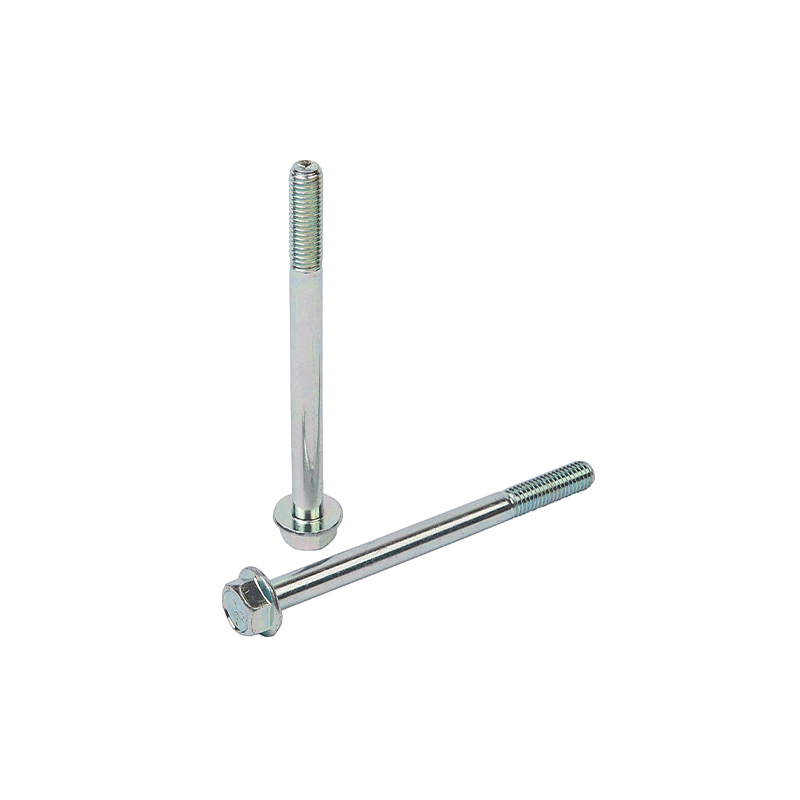
Lag bolts Feature Deep Threads for Wood Applications
Understanding the Structure of Heavy-Duty Wood Fasteners
In timber construction, furniture assembly, outdoor structures, and equipment installation, fastening components play an important role in connecting individual parts. When a project involves thick wooden members or connections between wood and metal components, ordinary screws may not provide the required fastening structure. This is where Lag bolts become a practical option for industrial and construction applications.
Unlike standard wood screws, these fasteners typically feature a hexagonal head, a relatively thick shank, and coarse threads. Their structure allows them to engage directly with wood materials and create a firm mechanical connection. For hardware importers, construction material distributors, and industrial buyers, understanding their dimensions, materials, and manufacturing processes helps when developing suitable product specifications.
How Thread Design Influences Fastening Performance
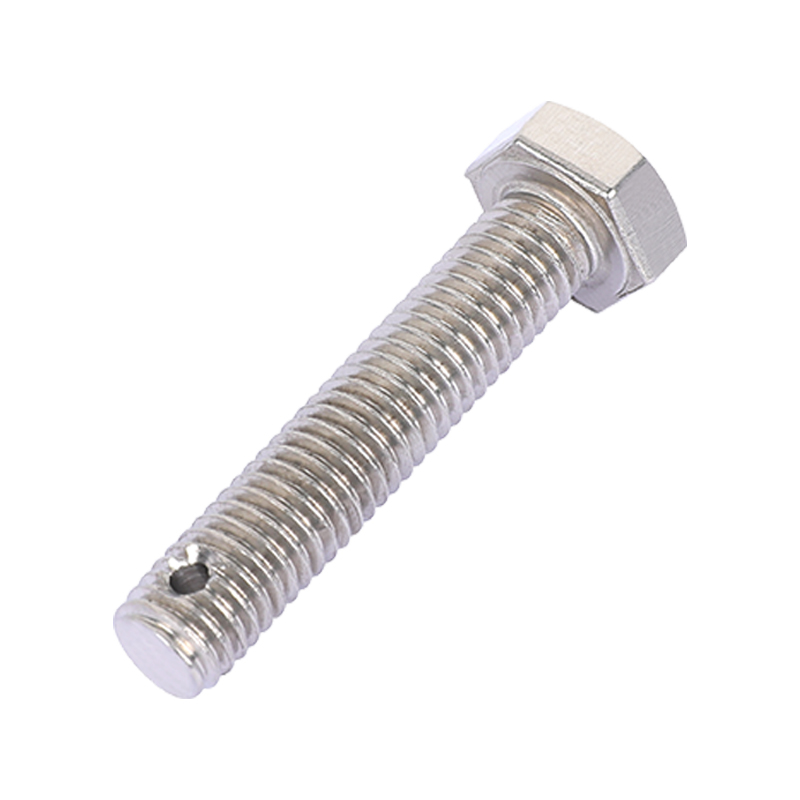
Thread geometry is an important feature of a lag fastener. Coarse threads are generally used because they can engage with wood fibers and provide holding force within the material.
The thread pitch, depth, and outer diameter influence how the fastener interacts with different wood types. Deeper threads provide a larger engagement profile, while the shank diameter contributes to the overall structural design.
The unthreaded section near the head may also vary according to the product specification. Some designs include a smooth shank section that allows connected components to sit closer together during installation.
Lag bolts commonly feature a hexagonal head, which provides an external surface for applying rotational force with a suitable wrench or socket tool. Head dimensions and bearing surfaces can vary according to the required size and application.
Materials and Surface Finishes for Different Applications
Carbon steel is commonly used in fastener manufacturing because it offers suitable mechanical characteristics and can be processed through several forming and machining operations.
Stainless steel is another option for applications where corrosion resistance is an important consideration. Different stainless steel grades may be selected according to the working environment and intended use.
Surface finishes also contribute to the product's appearance and functional characteristics. Common options include:
- Zinc Plating: Provides a metallic finish and an additional protective surface layer.
- Hot-Dip Galvanizing: Creates a zinc coating commonly used for outdoor construction hardware.
- Black Oxide: Produces a dark surface appearance for selected industrial applications.
- Plain Finish: Retains the basic metal surface without an additional decorative coating.
- Stainless Steel Finish: Maintains the natural appearance of stainless steel material.
The choice of material and finish should correspond to the intended installation environment, connected materials, and customer specifications.
From Steel Wire to Finished Fasteners
Fastener manufacturing involves several production stages, beginning with raw material preparation. Steel wire or suitable metal stock is selected according to the required diameter and product specifications.
Cold heading is commonly used to form the fastener head. During this process, metal material is shaped under pressure using dedicated dies. The operation creates the hexagonal head and establishes the basic fastener geometry.
After heading, thread rolling forms the external threads. The workpiece passes between specially designed dies, which shape the thread profile through controlled pressure. Compared with cutting threads, rolling forms the thread without removing material from the shank.
Additional processes may include heat treatment, surface finishing, and dimensional adjustment according to the product design.
Manufacturing equipment, tooling specifications, and production arrangements influence the range of fastener dimensions a factory can produce. For buyers sourcing Lag bolts, discussing available diameters, lengths, head dimensions, and thread configurations helps clarify manufacturing requirements.
Related Products

Copyright 2024 Zhejiang Wanyu Automotive Parts Co., Ltd. All Rights Reserved
Auto Fasteners Parts Factory

Contact Us