 English
 Español
Just write us your request & we will take care of the rest.
Is a Metal Screw Always the Right Fastening Choice?
A Small Part With a Big Job
It's easy to overlook something as small as a metal screw, tucked into furniture joints, cabinet hinges, or the frame of a deck. Yet pull one out and the whole structure often starts to wobble. That's really the point — a metal screw does its job quietly, holding things together without asking for attention, which is probably why so few people stop to think about how many varieties actually exist.
Walk down the fastener aisle of any hardware store and the sheer range on display can be a little overwhelming. Different lengths, thread patterns, head shapes, and metal types all serve slightly different purposes, and picking the wrong one can mean the difference between a solid connection and one that loosens over time.
Thread Design and What It Affects
Thread pattern is one of the things that separates one metal screw from another. Coarse threads tend to grip faster in softer materials like wood, since fewer rotations are needed to drive them in. Fine threads, on the other hand, offer a tighter hold in metal or hard plastic, distributing pressure more evenly along the shaft.
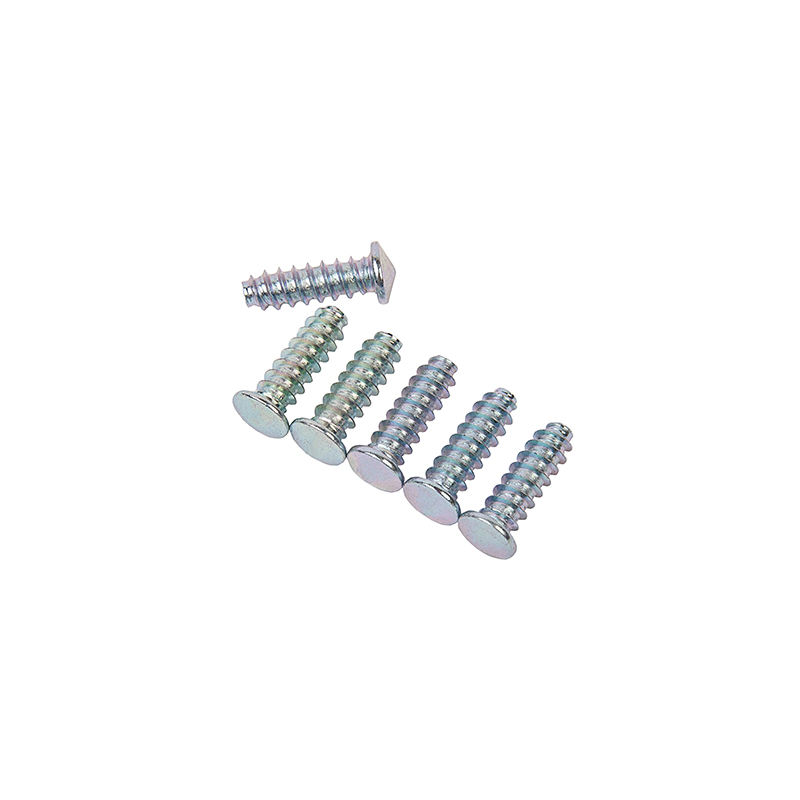
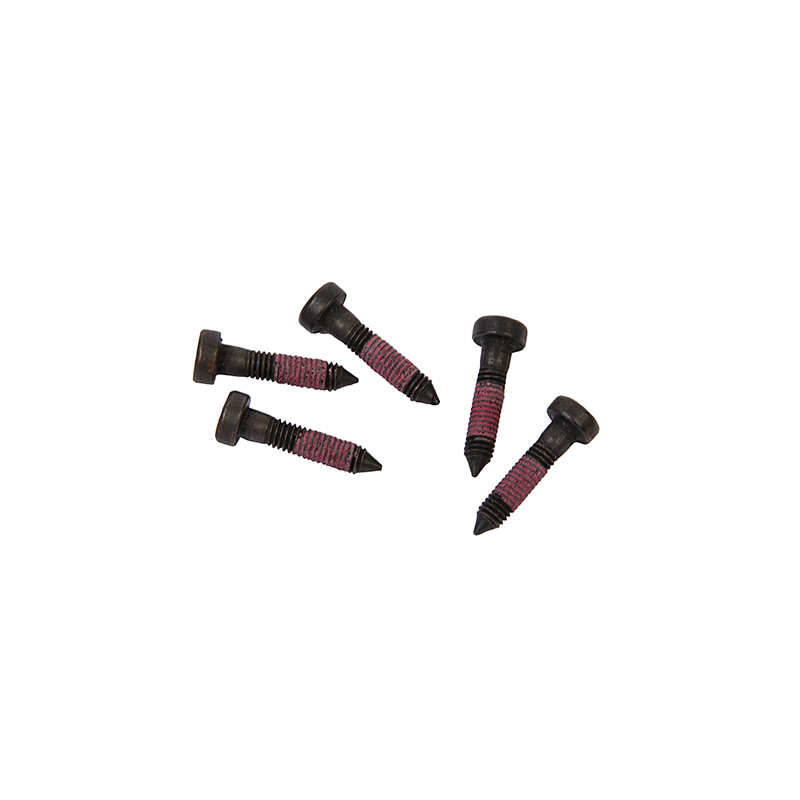
Some screws feature a self-tapping design, cutting their own path as they're driven in, which comes in handy when working with metal sheets or plastic panels that haven't been pre-drilled. Others rely on a standard thread meant to pair with a pre-existing hole or a nut on the opposite side.
A few common thread-related distinctions include:
- Coarse thread — faster driving speed, better grip in softer materials
- Fine thread — stronger hold in metal, less material displacement
- Self-tapping thread — creates its own channel, reducing the need for pre-drilling
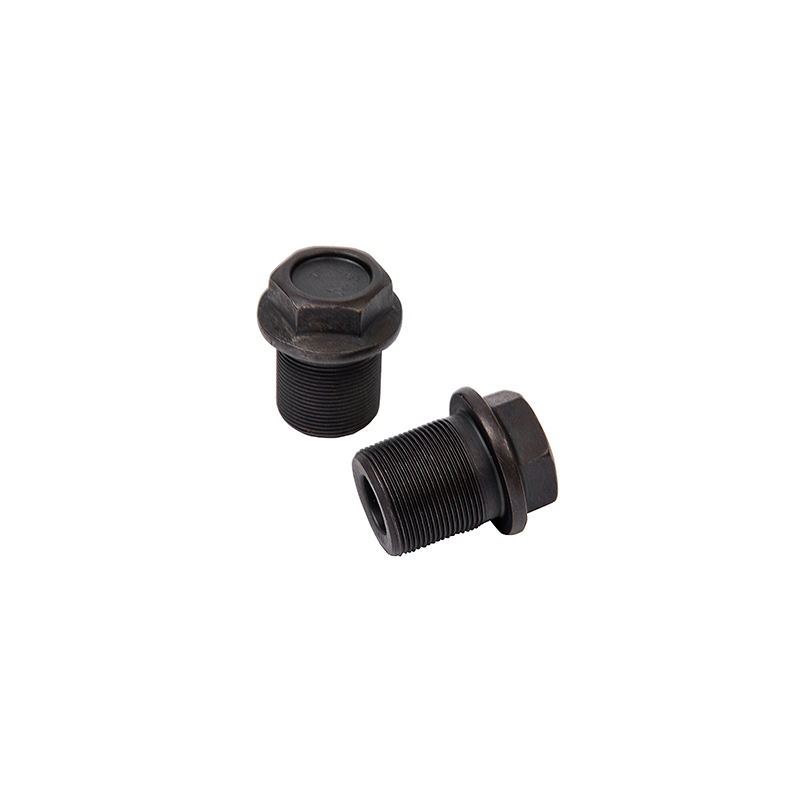
- Machine thread — designed to pair with a nut or tapped hole for a secure mechanical connection
Head Shape and Drive Type
Beyond the threads, the head of a metal screw plays a surprisingly large role in how it's used. Flat heads sit flush with a surface, which matters for anything where a smooth finish is part of the goal. Pan heads sit slightly raised, offering a broader surface for the driver to grip without sinking into the material.
Drive type varies quite a bit too. Phillips and flathead drives remain common in general household use, while square and star-shaped drives have gained ground in situations where reduced slippage matters, such as repeated assembly or disassembly. A few frequently seen options include:
- Phillips drive — widely available, works with common screwdrivers
- Flathead drive — simple, though prone to slipping under pressure
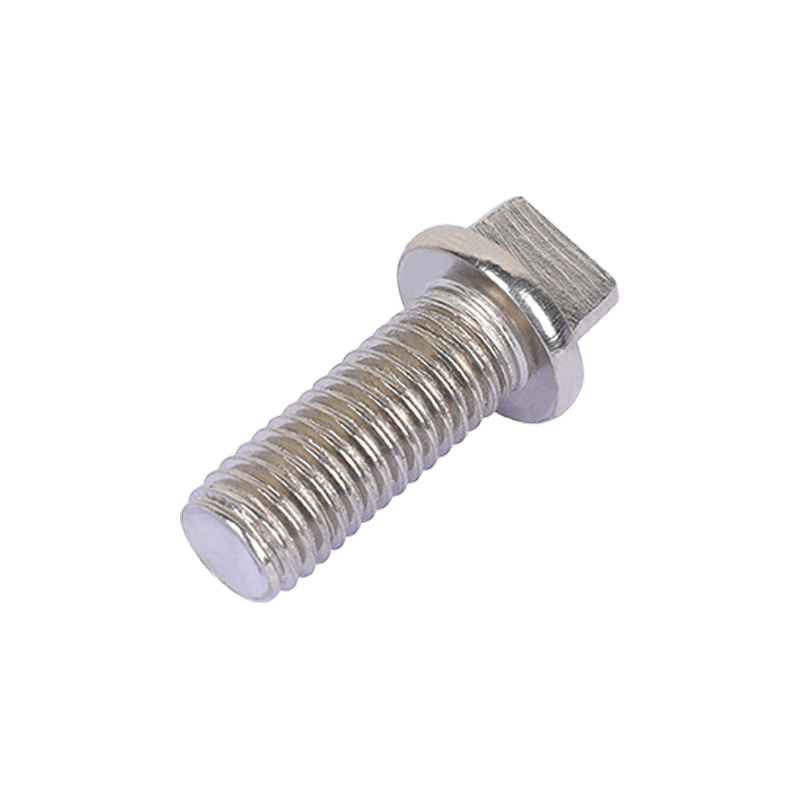
- Square drive — offers a firmer grip for the driver bit
- Star drive — reduces cam-out during high-torque applications
Material Choices and Where They Fit
The metal used to make a screw affects both its strength and how it interacts with different environments. Stainless steel options are common for their resistance to corrosion, making them a frequent choice for outdoor furniture or fixtures exposed to moisture. Zinc-plated steel screws show up often in general indoor construction, offering a balance between strength and everyday practicality.
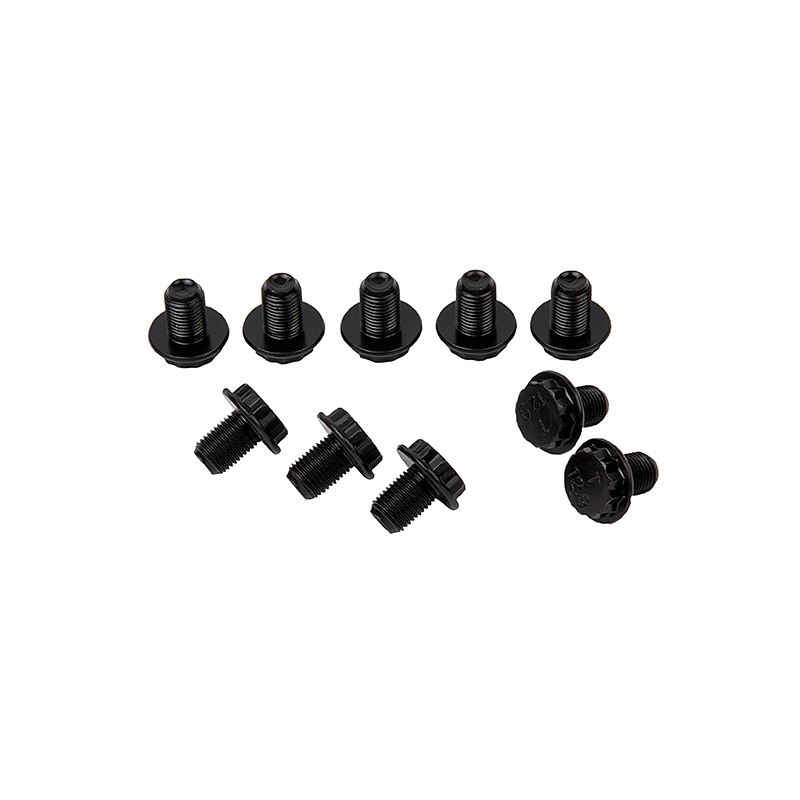
Brass screws tend to appear in decorative applications, prized for their appearance as much as their function, while black oxide coatings are sometimes chosen for a darker finish that blends into certain hardware designs. The choice of material often comes down to where a metal screw will be used and what kind of conditions it needs to hold up against on a daily basis.
Related Products

Copyright 2024 Zhejiang Wanyu Automotive Parts Co., Ltd. All Rights Reserved
Auto Fasteners Parts Factory

Contact Us