 English
 Español

Just write us your request & we will take care of the rest.
Lock Nuts for Machinery and Equipment
Lock nuts serve a clear purpose in assemblies that face movement, vibration, or repeated stress. These specialized fasteners hold threaded connections in place so parts stay aligned and secure during normal operation. From machinery frames to vehicle components and household equipment, lock nuts appear wherever a standard nut might loosen over time.
The basic form looks familiar—a hexagonal body that fits common wrenches—yet the internal design sets them apart. Some feature a nylon insert, others use a deformed thread or a metal locking element. Each approach creates friction or mechanical interference that resists unwanted turning. This simple addition keeps joints tight without constant checking.
Everyday Situations Where Lock Nuts Prove Useful
In workshops and assembly lines, lock nuts secure motor mounts, conveyor rollers, and equipment guards. Vibration from running machines tends to work ordinary nuts loose; the locking feature counters that tendency. Automotive technicians install them on suspension parts, exhaust systems, and wheel assemblies where road movement creates ongoing stress.
Furniture makers and appliance builders rely on lock nuts for legs, frames, and internal supports. A chair or table that experiences daily use benefits from connections that stay firm. Outdoor equipment such as lawn tools and garden machinery also uses them to keep handles, blades, and housings in position through repeated operation.
Design Approaches That Provide Holding Power
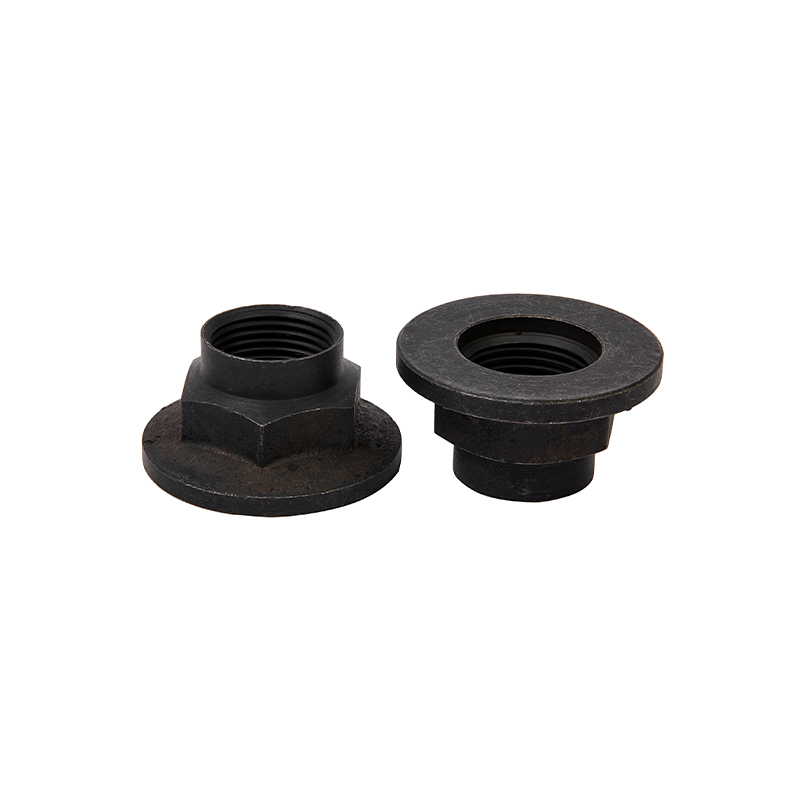
Nylon-insert lock nuts contain a polymer ring that grips the bolt threads as the nut tightens. The soft material deforms slightly and creates consistent resistance. All-metal versions often have a distorted upper thread section that presses against the bolt once installed. Some designs include a free-spinning washer or a serrated flange that digs lightly into the mating surface.
These variations suit different conditions. Nylon inserts work well in moderate temperature settings and offer reusable performance for several cycles. Metal locking styles handle higher heat and remain effective in demanding mechanical environments. The shared goal remains the same: maintain clamp force even when external forces try to rotate the nut.
Installation Habits That Support Secure Joints
Clean threads on both the bolt and the nut help the locking feature engage evenly. Starting the nut by hand prevents cross-threading. Once the nut contacts the surface, a controlled turn with a wrench brings it to the desired tightness. Over-tightening can damage the locking element, so stopping at the recommended feel or torque range preserves performance.
In assemblies with multiple fasteners, tightening in a balanced sequence keeps parts aligned. After installation, a quick visual check confirms that the nut sits flush and the locking feature has engaged. These straightforward steps fit into ordinary assembly routines without adding complexity.
Why Lock Nuts Fit Busy Work Environments
Time spent re-tightening loose connections adds up across a busy shop or production floor. Lock nuts reduce that need by holding their position through normal vibration and movement. Technicians and builders can focus on the next task rather than returning to earlier joints.
Storage stays simple. Lock nuts occupy the same bins as standard fasteners and require no special handling beyond keeping them dry and organized by size. Their presence on a parts list signals that the designer anticipated movement and chose a fastening method suited to it.
Related Products

Copyright 2024 Zhejiang Wanyu Automotive Parts Co., Ltd. All Rights Reserved
Auto Fasteners Parts Factory

Contact Us