 English
 Español
Just write us your request & we will take care of the rest.
Nuts and Bolts: Key Components for Strength and Stability
What Are Nuts and Bolts?
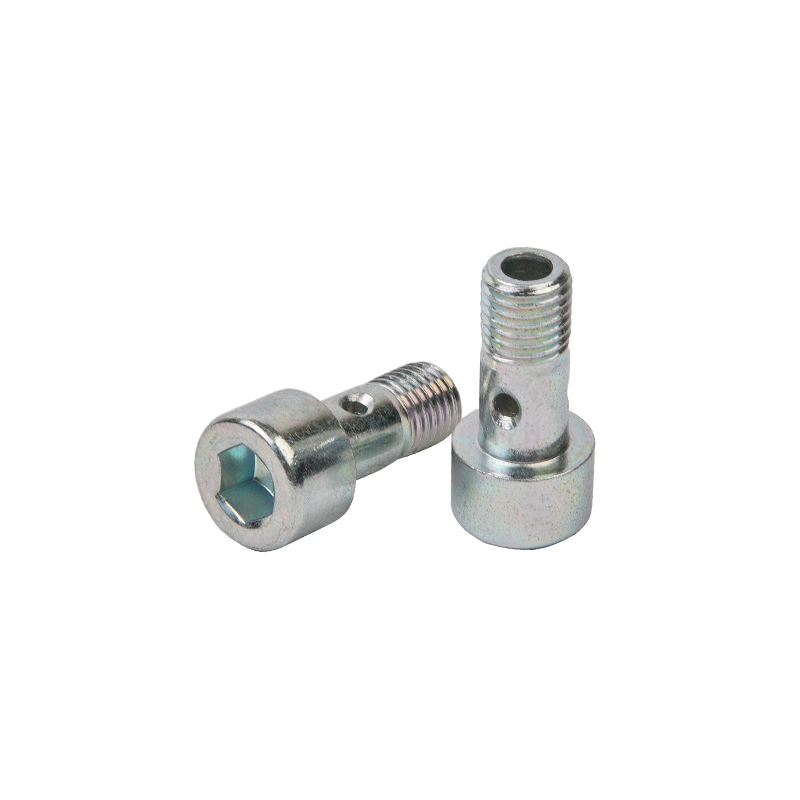
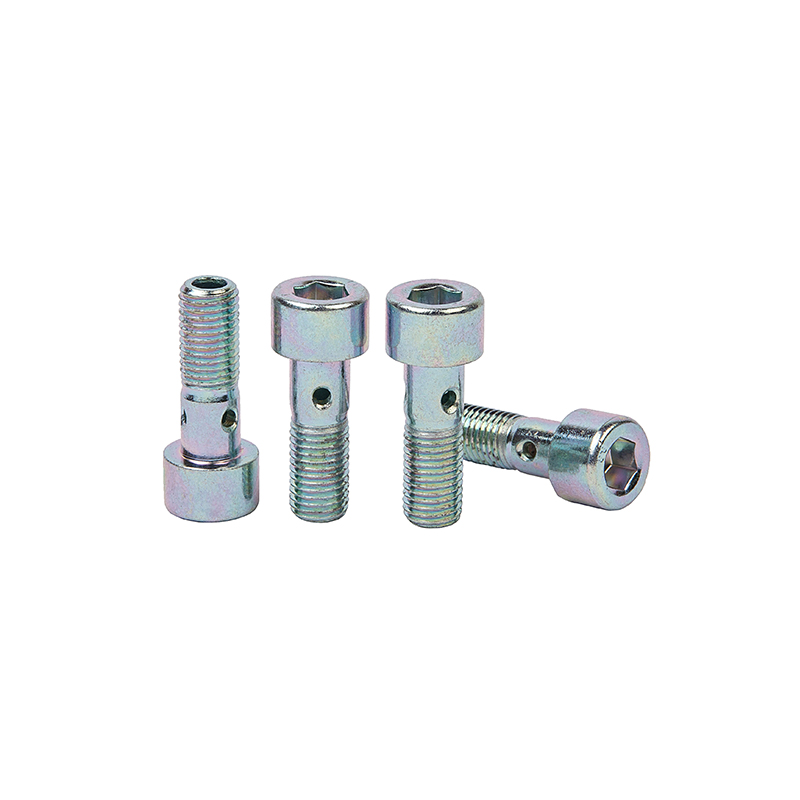
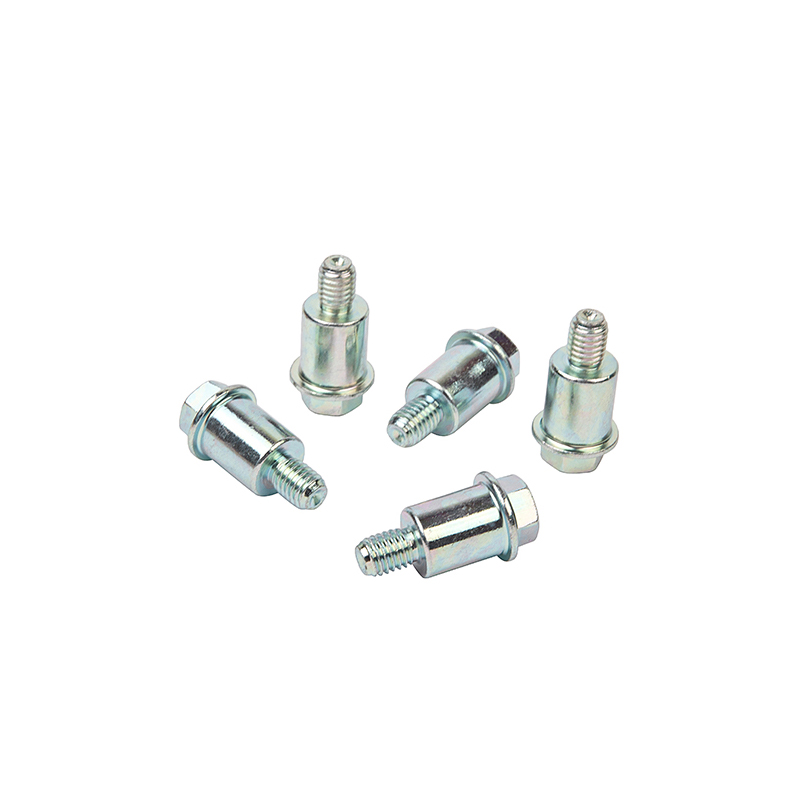
At their core, nuts and bolts are fasteners designed to join two or more materials together. A bolt consists of a cylindrical shaft with threads that allow it to be screwed into a corresponding nut. The nut is a small, hexagonal or square-shaped metal piece with an internal thread that matches the threads on the bolt. When paired together, the bolt and nut create a secure and stable connection.
Nuts and bolts come in many sizes and materials, depending on the intended application. Common materials include stainless steel, carbon steel, and aluminum, with stainless steel being preferred for its corrosion resistance. These components can be found in various industries, from automotive and aerospace to construction and home improvement.
Different Types of Nuts and Bolts
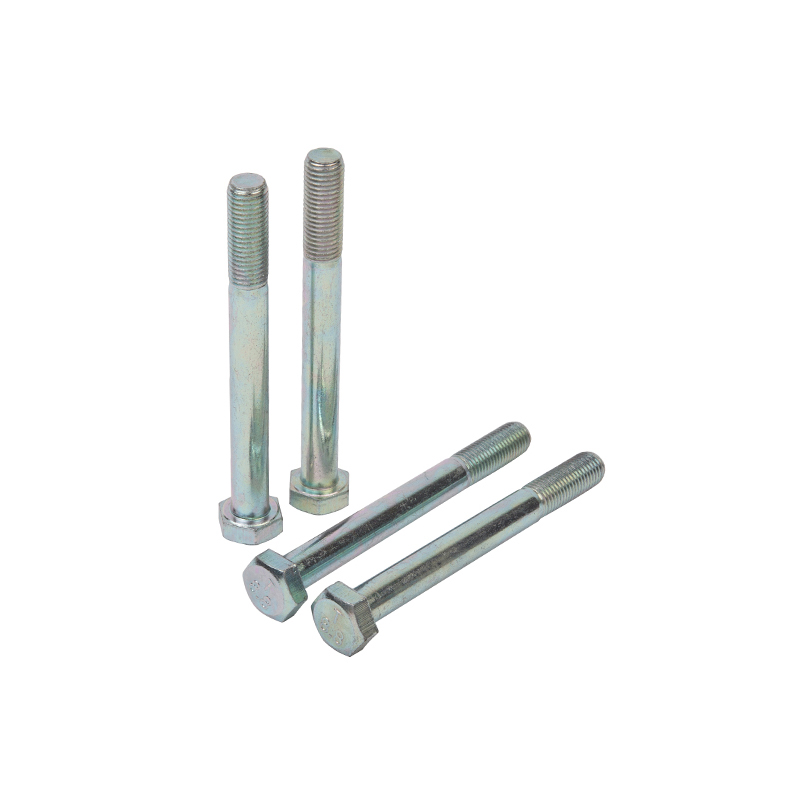
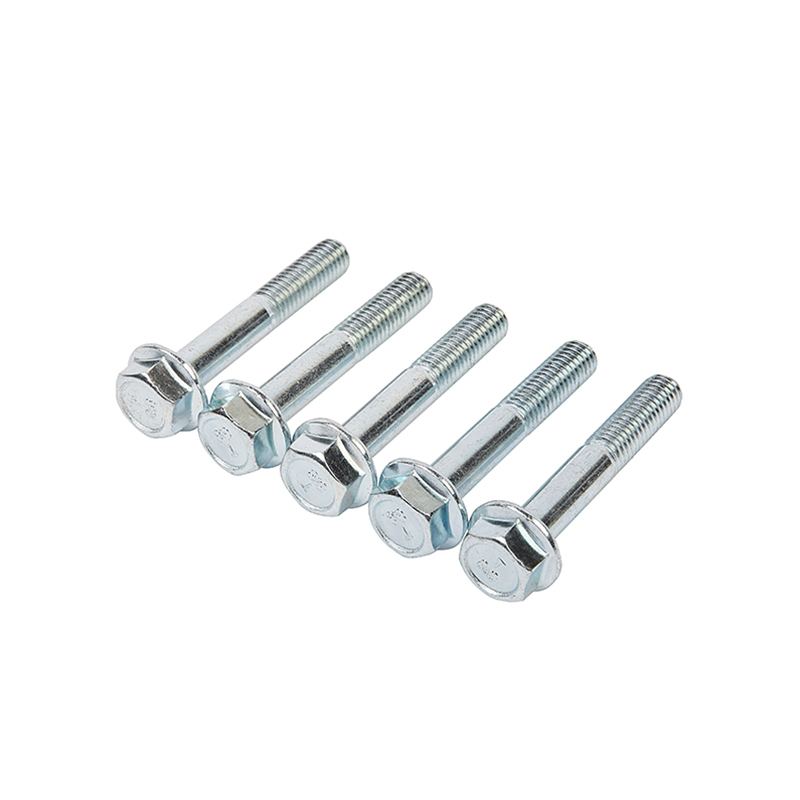
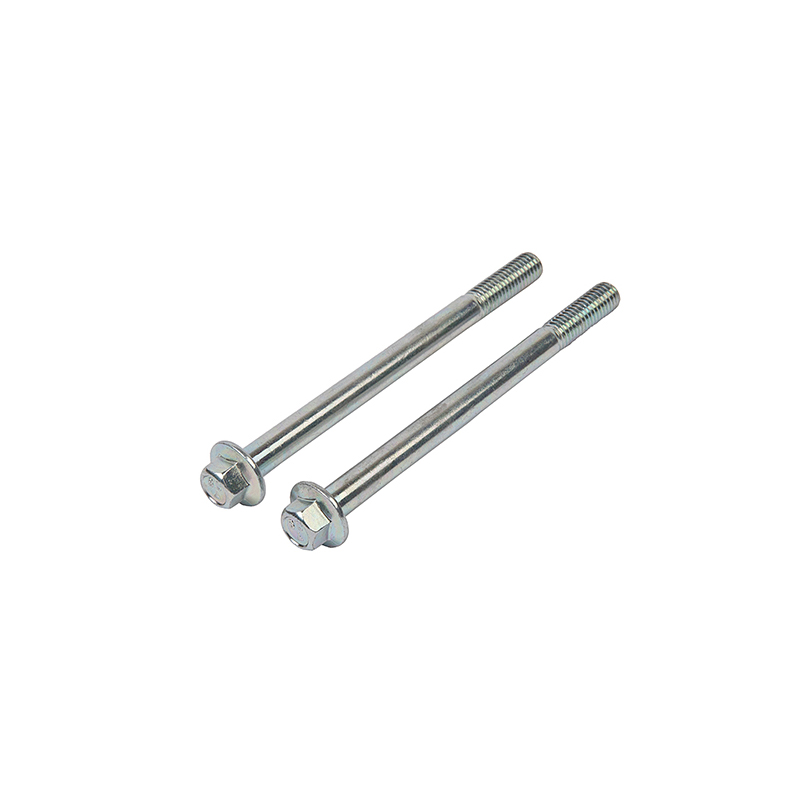
There is a wide range of nuts and bolts designed for different purposes. The common types of bolts include hex bolts, carriage bolts, and lag bolts, each designed for specific applications. Hex bolts are typically used in general construction, while carriage bolts are ideal for applications requiring a smooth, rounded head, such as in woodwork or furniture assembly. Lag bolts, also known as lag screws, are larger and used for heavy-duty applications, such as securing large structures.
Nuts come in various shapes, including hex nuts, wing nuts, and lock nuts. Hex nuts are the common and are used in general applications. Wing nuts are designed for easy hand tightening and are often found in situations where tools are not required. Lock nuts are used to prevent bolts from loosening due to vibrations or movement, making them ideal for use in machinery and vehicles.
Materials and Coatings for Nuts and Bolts
The choice of material and coating for nuts and bolts is crucial for ensuring their durability and performance. Stainless steel is one of the popular materials due to its resistance to rust and corrosion, making it suitable for use in outdoor or marine environments. Carbon steel, on the other hand, is stronger and is commonly used in construction and automotive applications.
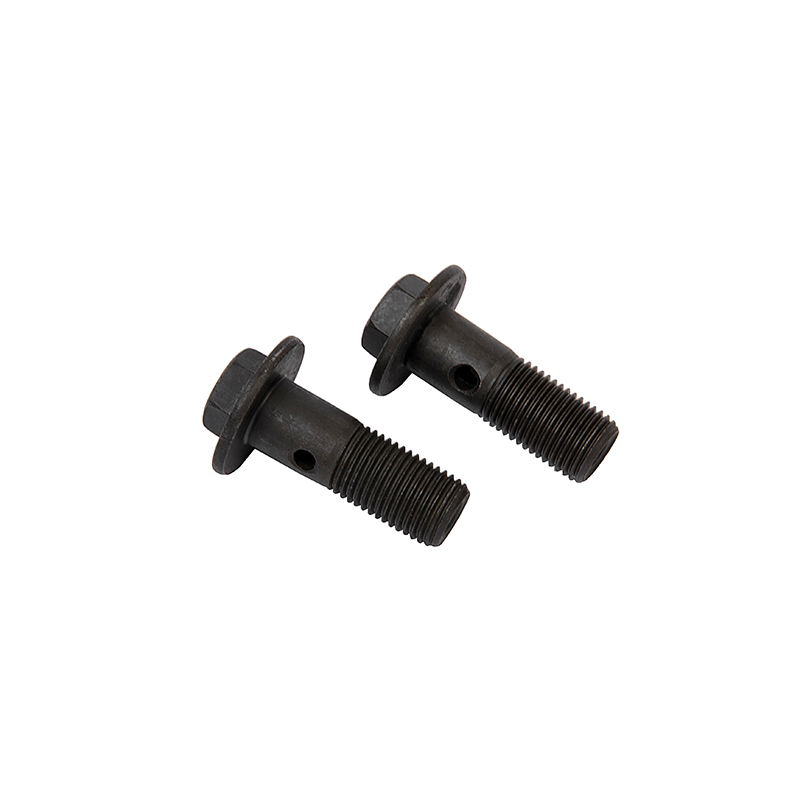
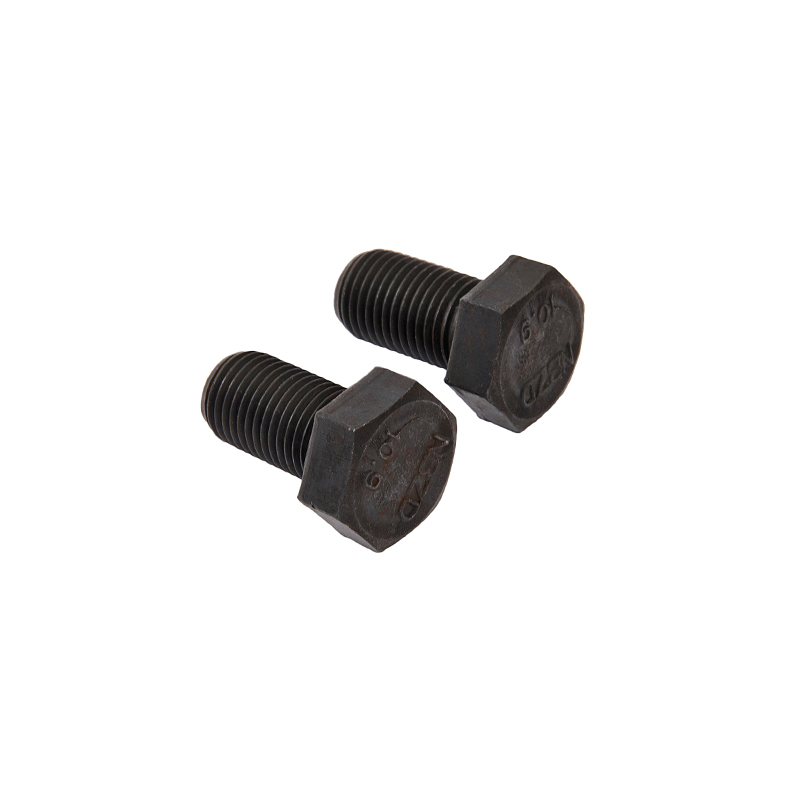
In addition to the material, coatings are often applied to improve the performance of nuts and bolts. Zinc plating, for example, is commonly used to prevent rusting and corrosion, while black oxide coatings are often applied to enhance the aesthetic appearance and reduce friction.
Applications of Nuts and Bolts in Various Industries
Nuts and bolts are integral to the function of many industries. In the automotive industry, they are used to hold together various engine components, body panels, and suspension systems. In construction, nuts and bolts are essential for joining structural elements like beams, columns, and frames. The aerospace industry relies on high-strength bolts to secure critical components in aircraft, ensuring safety and stability at high altitudes.
In addition to these industrial uses, nuts and bolts are also found in everyday items such as furniture, household appliances, and even electronics. For example, a TV stand or bookshelf may rely on nuts and bolts for assembly, while computers often use small bolts to secure internal components like hard drives and motherboards.
The Future of Nuts and Bolts in Engineering
The future of nuts and bolts in engineering looks promising. Innovations in coatings and surface treatments are helping to extend the lifespan of nuts and bolts, reducing the need for frequent replacements.
In the automotive and aerospace industries, there is also growing interest in lightweight materials that do not compromise strength. Fasteners made from composites or lightweight alloys could offer a solution to reduce the overall weight of vehicles and aircraft, contributing to better fuel efficiency and lower emissions.
Related Products

Copyright 2024 Zhejiang Wanyu Automotive Parts Co., Ltd. All Rights Reserved
Auto Fasteners Parts Factory

Contact Us