 English
 Español
Just write us your request & we will take care of the rest.
The Future of Fasteners in Emerging Industries
Fasteners are small yet essential components used in a wide variety of industries, including manufacturing, construction, automotive, aerospace, and electronics. These devices, designed to securely join two or more objects together, play a crucial role in ensuring the safety, durability, and functionality of products and structures. While they may seem simple, fasteners are integral to the performance and integrity of many systems, making them a critical part of daily life.
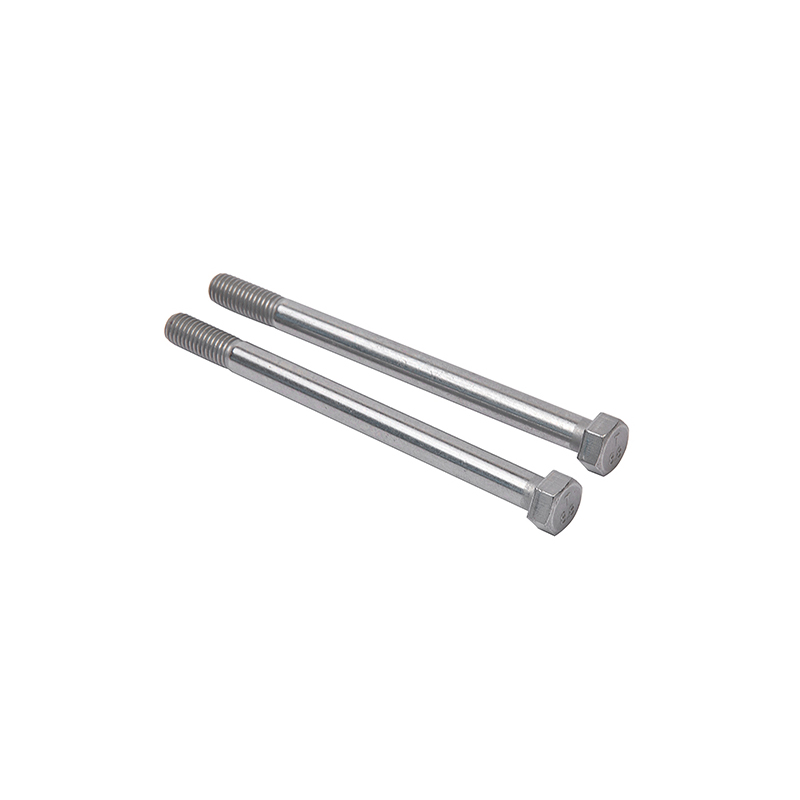
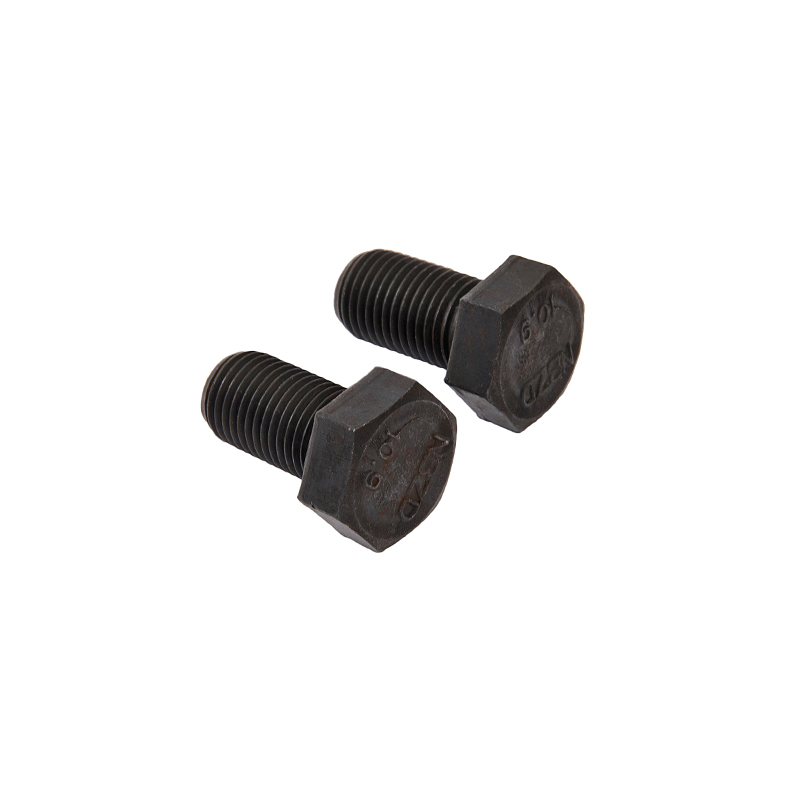
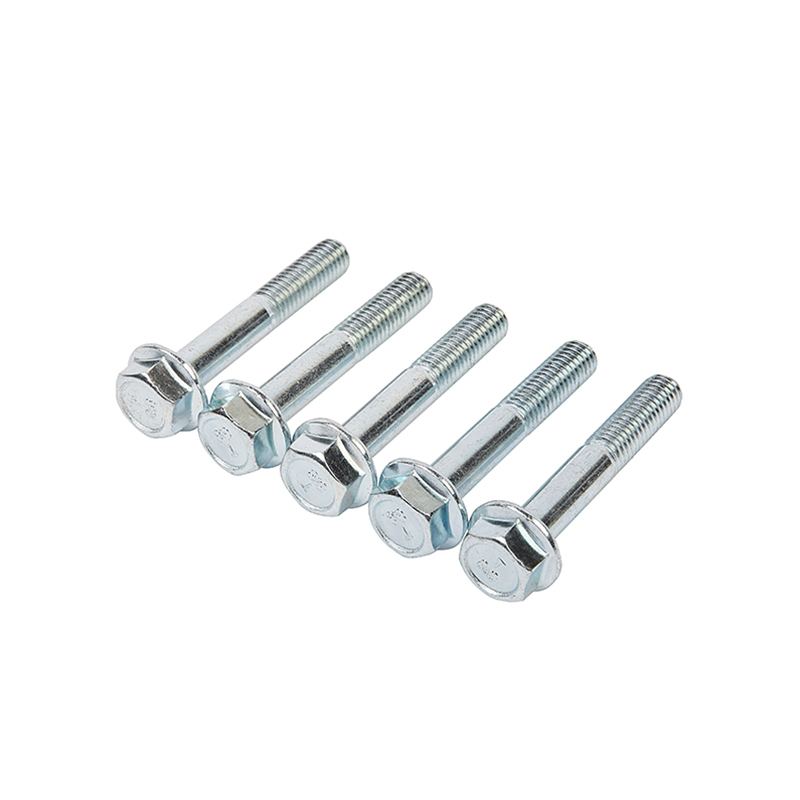
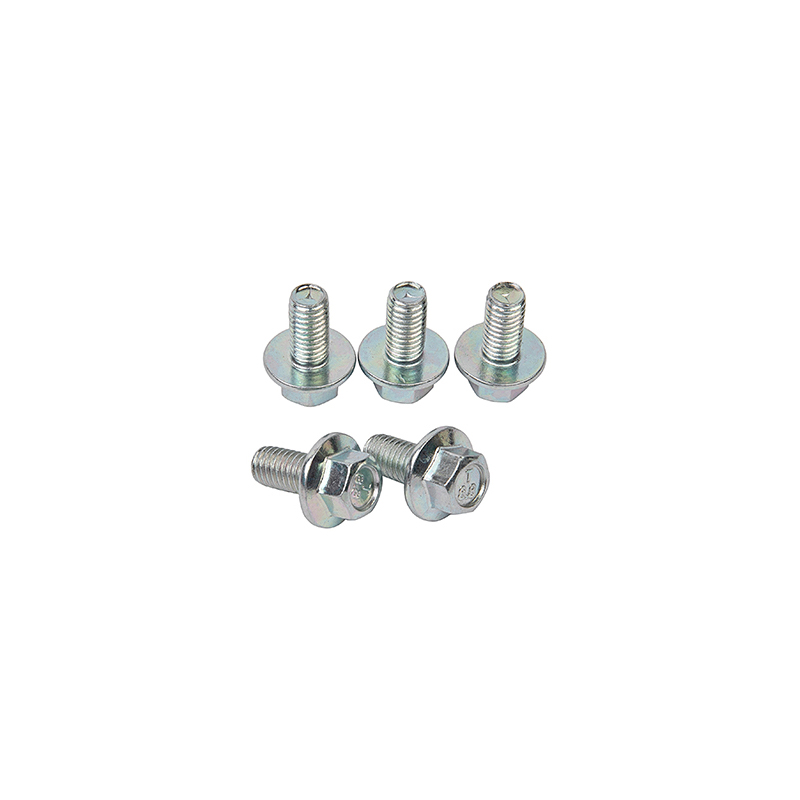
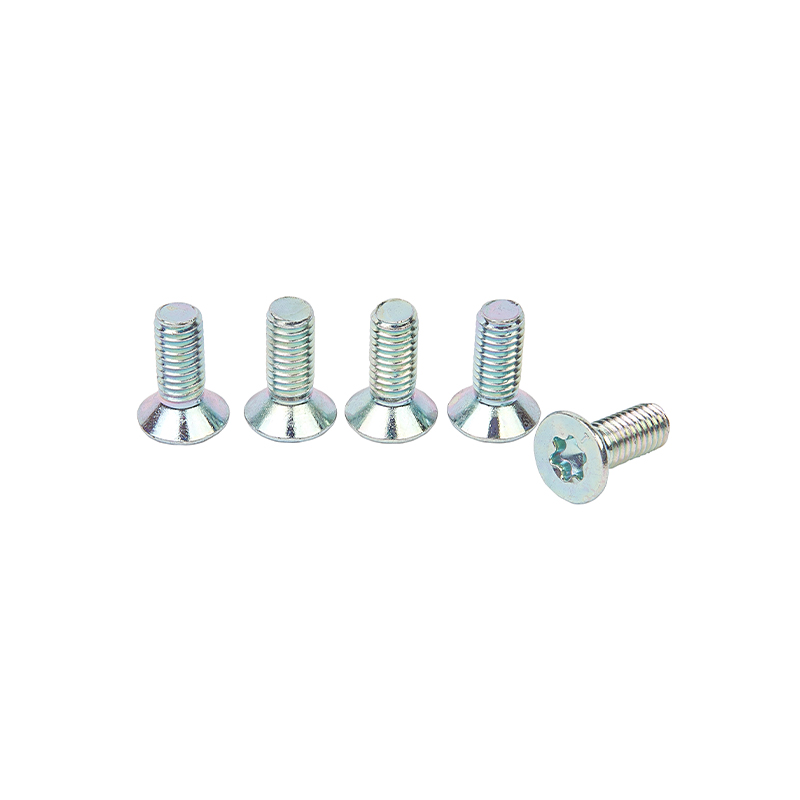
There are many types of fasteners, each designed for specific applications. The common types include bolts, nuts, screws, washers, and rivets, each with its unique features and uses. Bolts and nuts are typically used for securing two parts together with the help of a threaded connection, while screws are designed to create a strong, permanent connection between materials. Washers are often used to distribute the load of the fastener more evenly, preventing damage to the surface of the material being fastened. Rivets, on the other hand, are permanent fasteners that hold materials together by deforming one end of the rivet to secure both parts in place.
The materials used to manufacture fasteners are just as varied as the fasteners themselves. Stainless steel, carbon steel, and aluminum are commonly used in the production of fasteners, each offering different benefits in terms of strength, corrosion resistance, and weight. Stainless steel fasteners, for example, are highly resistant to corrosion, making them ideal for use in outdoor and marine applications. Aluminum fasteners are lightweight and offer good corrosion resistance, making them suitable for industries such as aerospace and automotive. Carbon steel fasteners are strong and durable, often used in heavy-duty applications where strength is a critical factor.
In recent years, there has been a growing demand for high-performance fasteners, particularly in industries that require strength and precision. The automotive and aerospace sectors, for example, rely on fasteners that can withstand conditions, such as high temperatures, pressure, and vibrations. To meet these demands, manufacturers have developed specialized fasteners that can perform in challenging environments, ensuring the safety and reliability of critical systems. These advanced fasteners are typically made from high-strength alloys or specialized coatings that enhance their durability and resistance to wear.
Fasteners are not just used in industrial applications; they also play a vital role in everyday life. From assembling furniture to constructing buildings, fasteners are present in nearly every aspect of modern life. In the construction industry, fasteners are used to join steel beams, hold building materials together, and secure components of bridges, roads, and other infrastructure projects. In electronics, fasteners are used to secure components in devices such as smartphones, computers, and televisions. Even household items like door handles, appliances, and light fixtures rely on fasteners for assembly and function.
The growing demand for fasteners in various industries has led to innovations in the manufacturing processes used to produce them. Advances in automation and precision engineering have allowed manufacturers to produce fasteners with greater accuracy and consistency. This has not only improved the quality of fasteners but also reduced production costs, making them more affordable for consumers and businesses alike. There has been a focus on developing environmentally friendly fasteners, using recyclable materials and reducing waste in the manufacturing process.
In conclusion, fasteners are essential components in the manufacturing, construction, automotive, aerospace, and electronics industries. These devices play a key role in ensuring the safety, durability, and functionality of products and structures. Fasteners will remain an indispensable part of modern life, supporting industries and products that are vital to the global economy.
Related Products

Copyright 2024 Zhejiang Wanyu Automotive Parts Co., Ltd. All Rights Reserved
Auto Fasteners Parts Factory

Contact Us