 English
 Español
Just write us your request & we will take care of the rest.
What Makes Socket Head Cap Screws Useful for Builders?
Socket head cap screws are widely used in machinery, electronics, and construction for their ability to provide secure fastening in compact or confined spaces. Unlike traditional screws, their cylindrical heads with internal drive sockets allow for high torque application using Allen wrenches or hex keys, which makes them suitable for precision assemblies. These screws are commonly found in industrial equipment, automotive applications, and furniture assembly where tight tolerances and precise alignment are required.
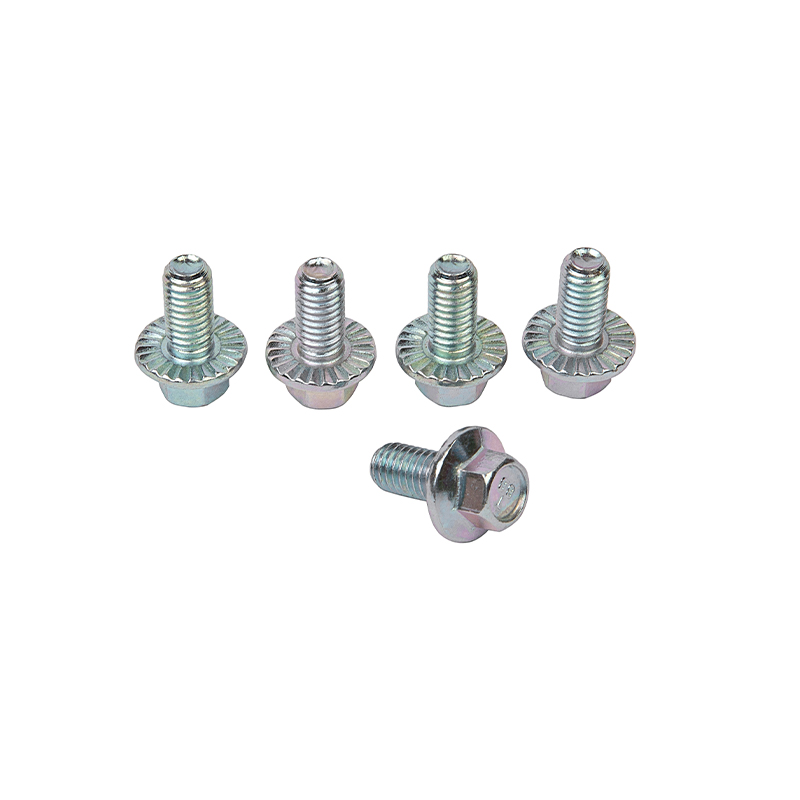
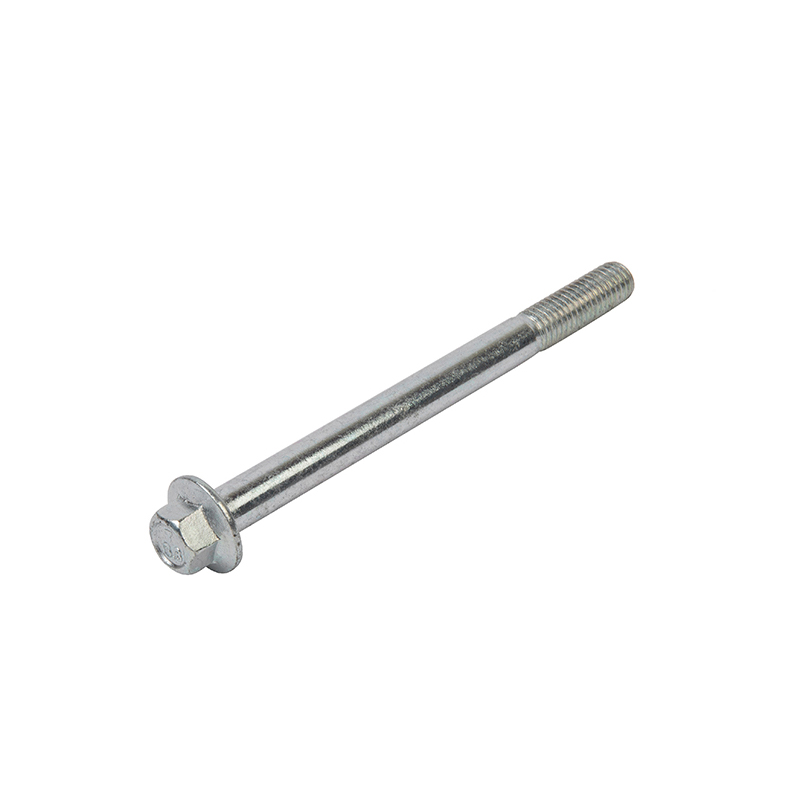
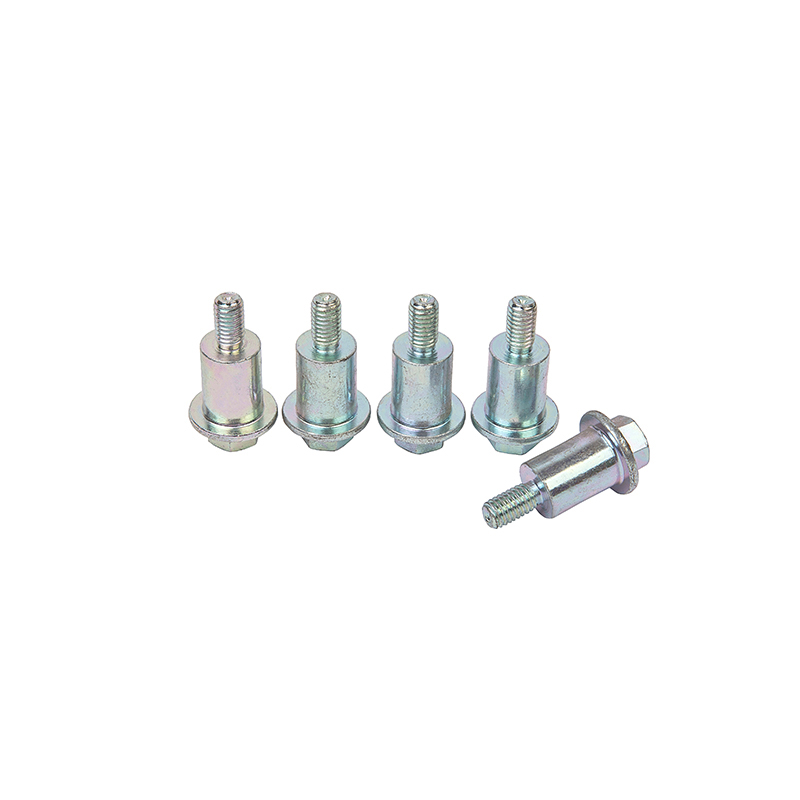
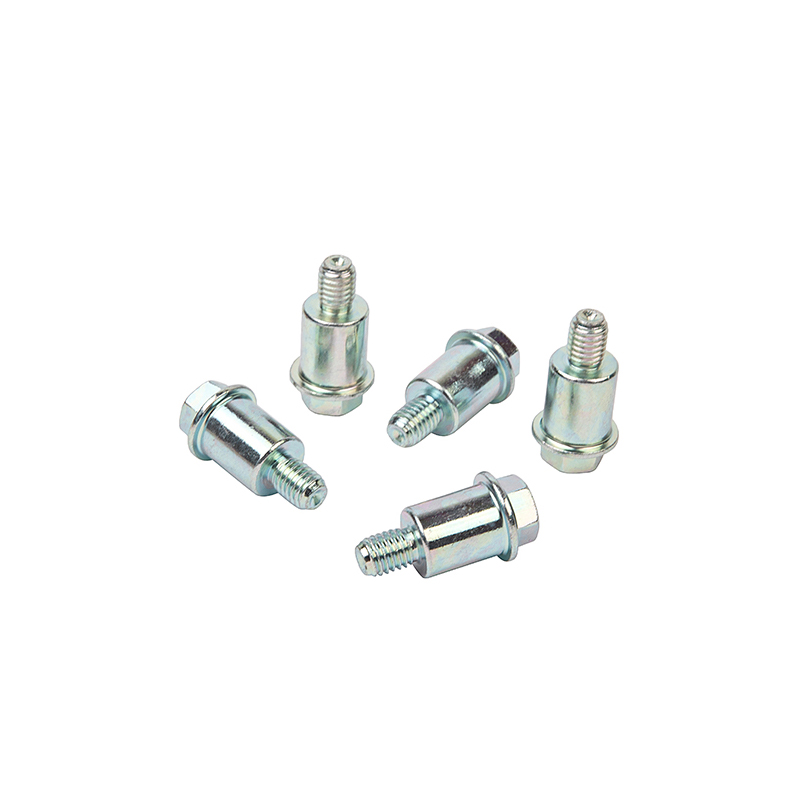
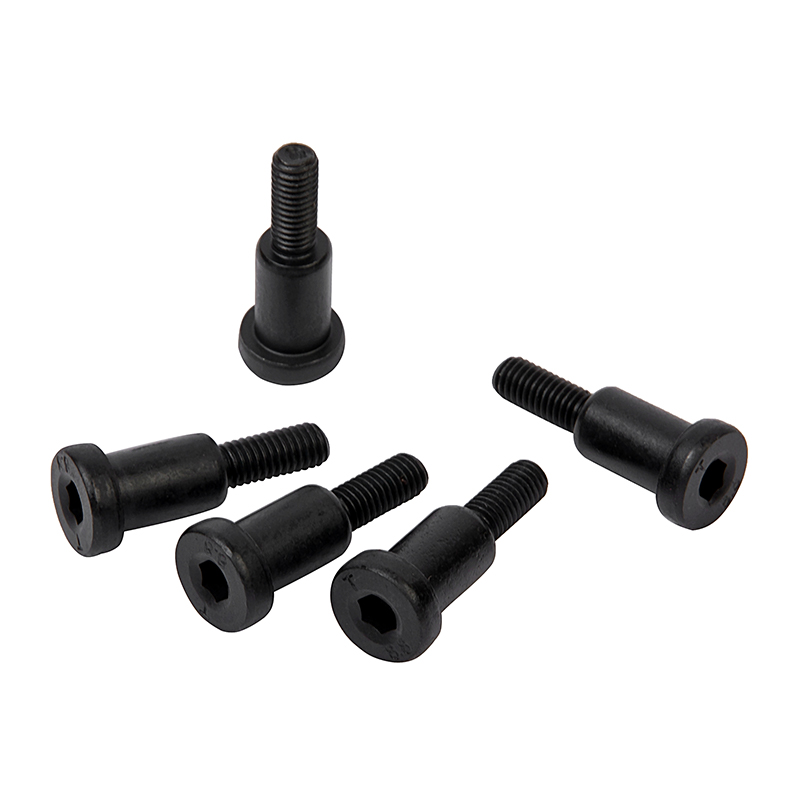
The design of socket head cap screws provides both strength and accessibility. Their smooth, cylindrical head reduces the risk of interference with surrounding components, allowing them to fit into recessed or confined areas. The internal drive socket ensures that the screw can be tightened securely without slipping, which is essential when working with metal or hard materials. The threaded shaft allows adjustable fastening strength depending on the application. Some screws feature partially threaded shafts or shoulder sections that provide extra alignment support and allow controlled clamping pressure, making them suitable for precise assemblies and applications where stability and accuracy are critical.
Materials play an important role in the performance of socket head cap screws. Carbon steel, stainless steel, and alloy steel are frequently used, each offering different levels of hardness, wear resistance, and durability. Surface treatments like black oxide, zinc plating, or phosphate coatings enhance corrosion resistance and provide a smooth finish for consistent installation. These material choices ensure that screws maintain their reliability under repeated use or mechanical stress.
Socket head cap screws are versatile for both industrial and household applications. In machinery, they connect metal plates, mount components, and support structural frames. In electronics, they secure circuit boards and panels without damaging delicate components. In furniture and DIY projects, they allow precise connections while remaining flush with surfaces, providing both function and a clean appearance. Their ease of removal and reuse adds flexibility in projects where disassembly or adjustments may be needed.
The installation of socket head cap screws is straightforward but requires proper tools and care. Using the correct hex key size ensures even torque distribution and prevents stripping the internal drive socket. Over-tightening can damage the threads or surrounding material, while under-tightening reduces holding strength. Additionally, selecting the appropriate screw length and diameter for the material is important to ensure a secure connection. The smooth cylindrical head allows these screws to fit into tight or recessed spaces without interfering with nearby components. Careful alignment during installation helps maintain stability and precision, especially in mechanical assemblies where accurate placement is critical.
Socket head cap screws also come in a variety of lengths and diameters, allowing compatibility with thin panels, thick plates, and multi-layered assemblies. Some designs include partially threaded shafts that provide both clamping force and clearance where needed. Others feature shoulder sections that allow rotational movement or precise alignment in mechanical assemblies. The wide range of available sizes and designs makes it easy to select a screw that fits specific project requirements while providing dependable fastening.
Overall, socket head cap screws combine accessibility, strength, and precision in fastening applications. Their design allows secure connections in tight or recessed spaces while supporting both professional and home projects. Builders, technicians, and hobbyists rely on these screws for a reliable and manageable fastening solution that adapts to different materials and installation needs.
Related Products

Copyright 2024 Zhejiang Wanyu Automotive Parts Co., Ltd. All Rights Reserved
Auto Fasteners Parts Factory

Contact Us