 English
 Español
Just write us your request & we will take care of the rest.
Why Lag Bolts Are Key to Securing Strong and Stable Structures?
Lag bolts, also known as lag screws, are large, heavy-duty fasteners commonly used in construction and woodworking. These bolts have a thick, coarse thread that allows them to create a secure and tight connection, especially in applications requiring substantial strength and stability. From building decks to securing large structures, lag bolts provide reliable fastening power.
Lag bolts are typically made from steel or stainless steel, materials that offer the necessary strength to withstand heavy loads. Steel lag bolts are particularly useful for outdoor or high-stress applications due to their strength and durability. Stainless steel lag bolts are often preferred in environments where corrosion resistance is essential, such as in coastal or industrial areas. The material choice plays a significant role in determining the bolt’s performance and longevity.
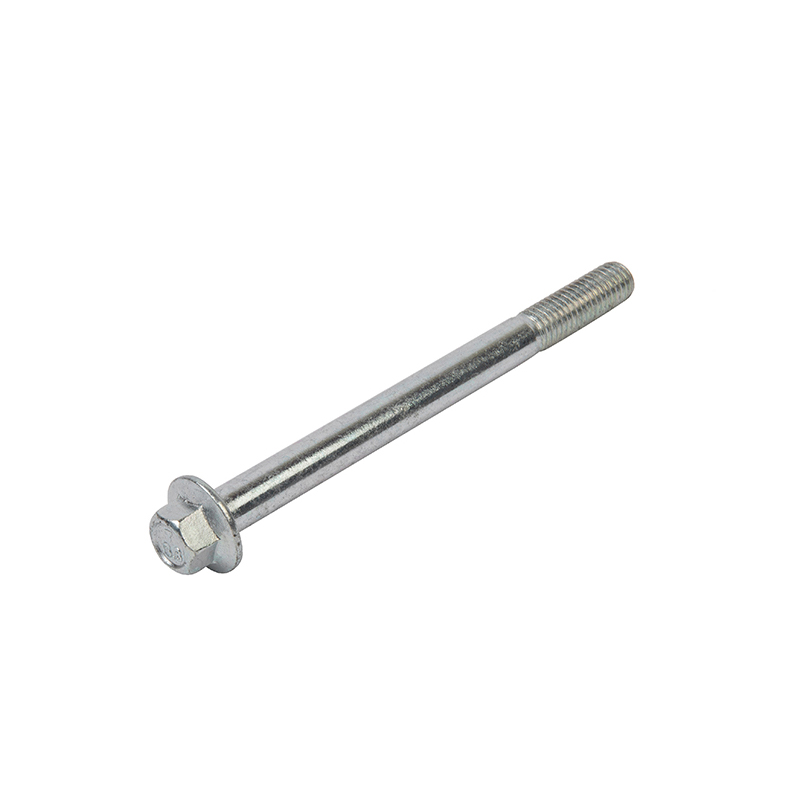
The design of lag bolts features a hexagonal head that can be easily gripped with a wrench or socket, allowing for easy tightening and installation. The threaded portion of the lag bolt is typically much thicker than that of standard screws, which helps create a tight, secure fit when inserted into wood or other soft materials. Because of this unique design, lag bolts are often used in situations where traditional screws or nails might not provide sufficient holding power.
One of the primary advantages of lag bolts is their ability to fasten heavy materials. These fasteners are often used in construction projects that require a strong bond, such as securing beams, posts, or large wooden structures. They are also commonly found in furniture assembly, outdoor structures, and in situations where a more substantial fastening solution is needed compared to regular screws.
Proper installation is key to ensuring the effectiveness of lag bolts. Pre-drilling a pilot hole before inserting a lag bolt is essential to prevent the wood from splitting and to allow the bolt to thread properly. The size of the pilot hole should be slightly smaller than the diameter of the lag bolt, ensuring a snug fit that facilitates easy insertion while preventing any damage to the surrounding material. For strength, it is important to use the correct size and type of lag bolt for the specific application.
In some cases, a washer is used with lag bolts to distribute the load more evenly and prevent the bolt from pulling through the material. This is especially useful in applications involving softwood or when the lag bolt is used to fasten large pieces of wood or metal. Washers help to improve the overall performance of lag bolts by reducing the risk of damage to the surface and ensuring the bolt remains securely fastened over time.
Lag bolts are commonly used in a wide range of applications, including securing heavy timber frames, attaching deck posts to concrete footings, and building furniture. They are also used in outdoor and structural projects, such as building fences or mounting large equipment. Their ability to bear substantial loads makes them an ideal choice for situations where other fasteners might fail to provide the same level of support.
Over time, exposure to environmental factors can affect the integrity of lag bolts. Outdoor applications, in particular, can expose lag bolts to moisture, dirt, and other elements that may cause corrosion. Regular inspection is important to ensure that lag bolts continue to function properly, especially in outdoor or high-humidity environments. If rust or corrosion is observed, it may be necessary to replace the lag bolts to maintain the safety and stability of the structure.
Related Products

Copyright 2024 Zhejiang Wanyu Automotive Parts Co., Ltd. All Rights Reserved
Auto Fasteners Parts Factory

Contact Us