 English
 Español
Just write us your request & we will take care of the rest.
Flange Bolts Offer Reliable Load Distribution
Picture a production line where a single loose connection stops everything. Somewhere in that machine sits a small fastener doing quiet, unglamorous work: a flange bolt. It looks unremarkable, yet its shape solves a problem that ordinary bolts often struggle with — keeping a joint tight when vibration, pressure, or repeated stress try to pull it apart.
What Sets A Flange Bolt Apart
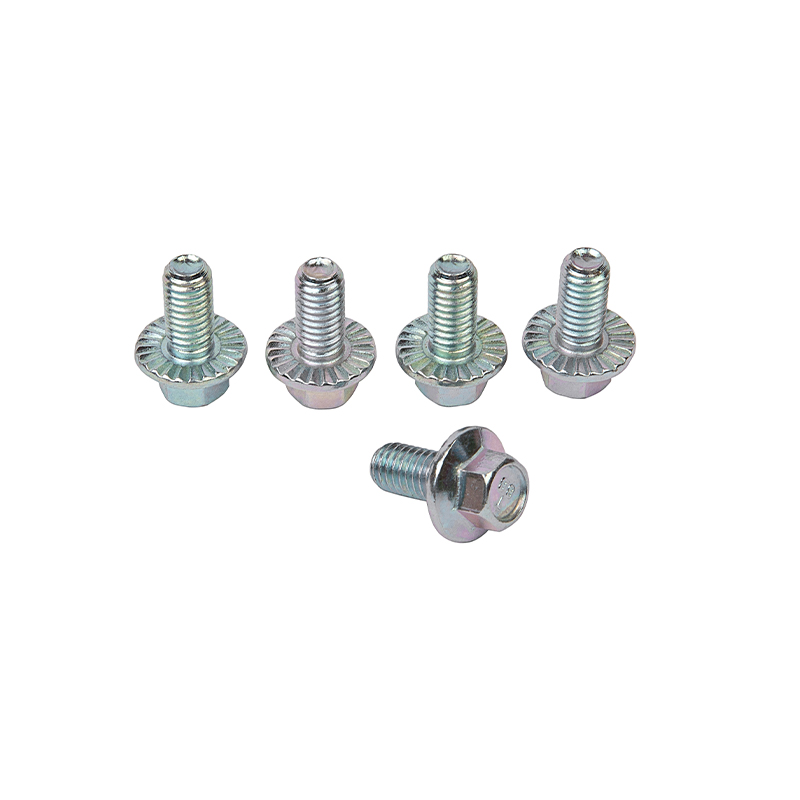
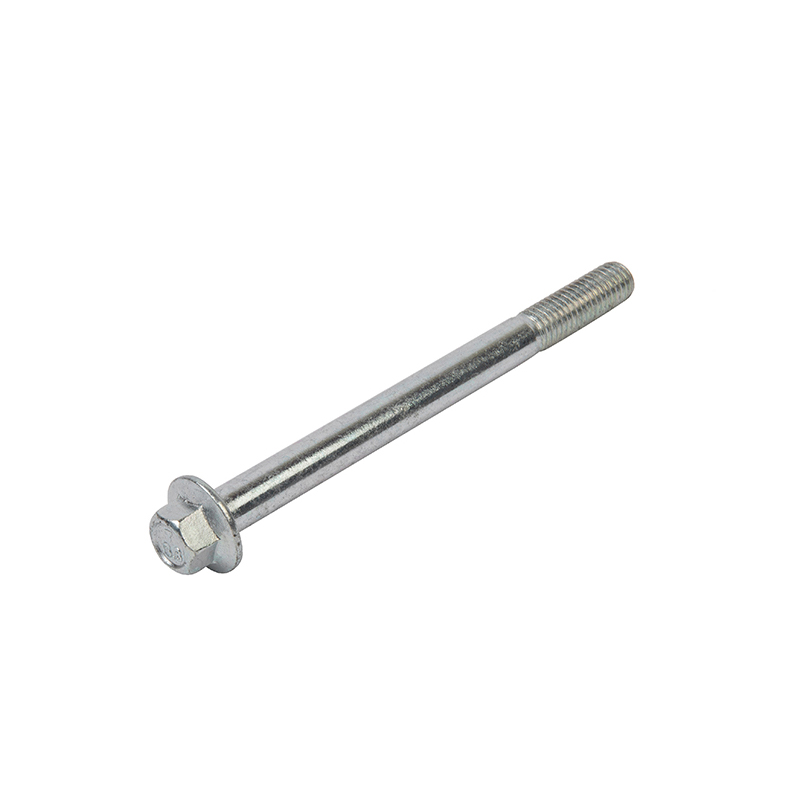
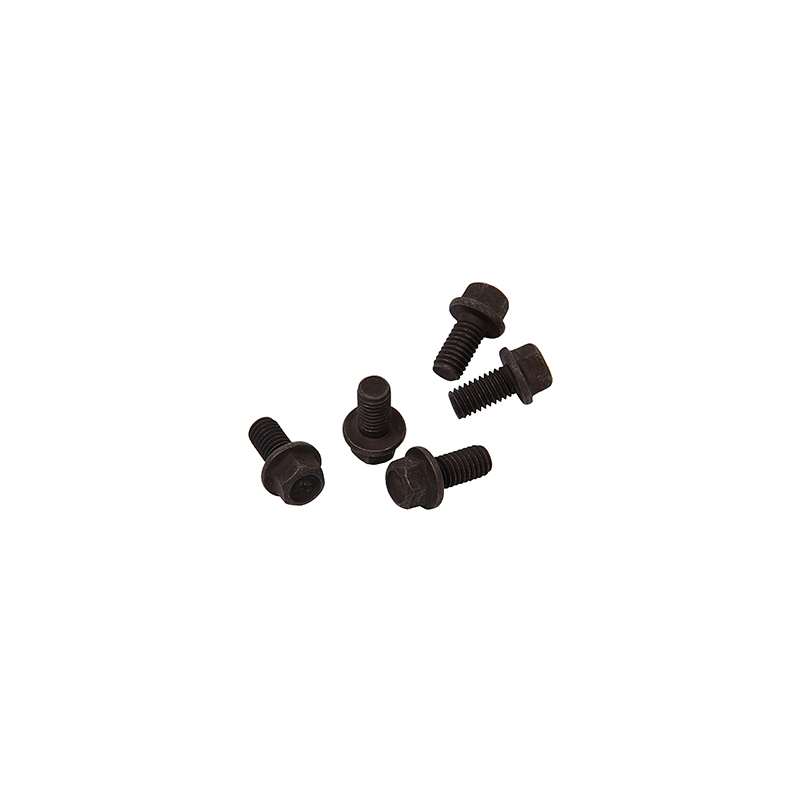
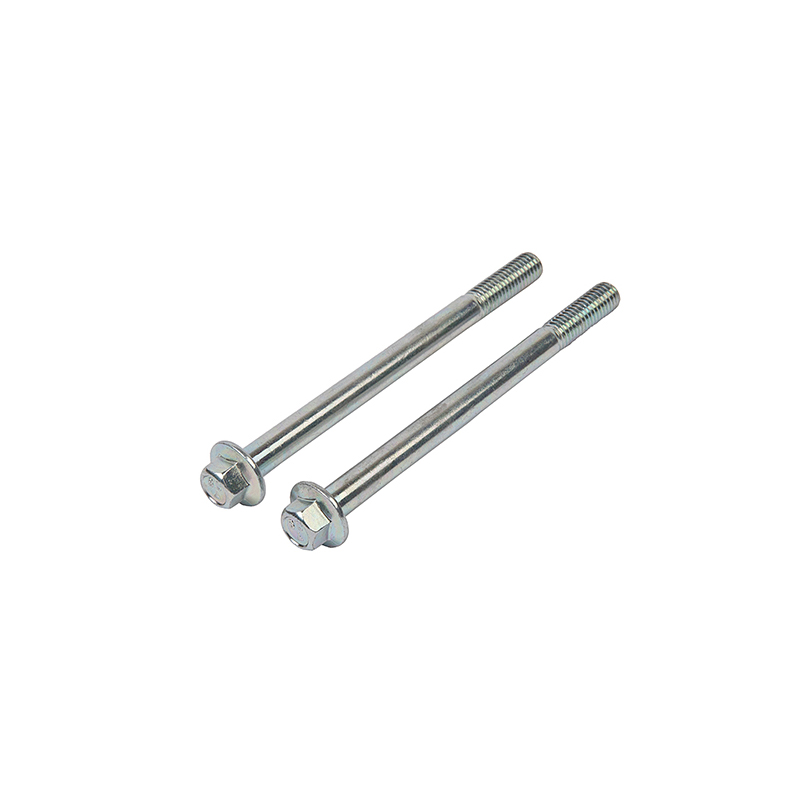
Flange bolts carry a built-in circular flange under the head, acting somewhat like an attached washer. This design spreads clamping force over a broader surface area instead of concentrating it around the bolt shaft. Two general types exist: serrated flange bolts, which include small ridges under the flange for extra grip, and non-serrated versions, used where surface protection matters more than bite. Manufacturers select between these depending on the material being fastened and the finish they want to preserve.
Because the flange sits flush against the mating surface, there's often no need to add a separate flat washer or lock washer. That reduces the number of components in a bolted joint, which simplifies inventory management for procurement teams sourcing fasteners at volume. Fewer parts also mean fewer chances for something to go missing during assembly.
Where Flange Bolts Show Up
Flange bolts turn up across a surprisingly wide set of industries. Automotive assembly lines rely on them for engine mounts, suspension components, and exhaust systems, where vibration resistance genuinely counts. Agricultural equipment manufacturers use them on gearboxes and axle housings. Construction crews fasten structural steel and machinery frames with them too, particularly in settings where a technician might not have room to slide a washer into place.
Materials vary depending on application:
- Carbon steel flange bolts, often zinc-plated, cover general industrial use
- Stainless steel versions handle applications exposed to moisture or corrosive conditions
- Alloy steel grades serve heavy machinery that needs higher tensile strength
Buyers sourcing flange bolts at scale tend to specify grade, coating, and thread pitch upfront, since these three factors determine compatibility across an entire product line rather than a single fastener.
Sizing And Thread Considerations
Flange bolt diameters typically range from small metric sizes used in electronics enclosures up to larger sizes found in heavy equipment chassis. Thread pitch options include coarse and fine threads, each suited to different tightening speeds and vibration environments. Coarse threads install faster and resist cross-threading; fine threads offer finer torque control and often hold better under sustained vibration.
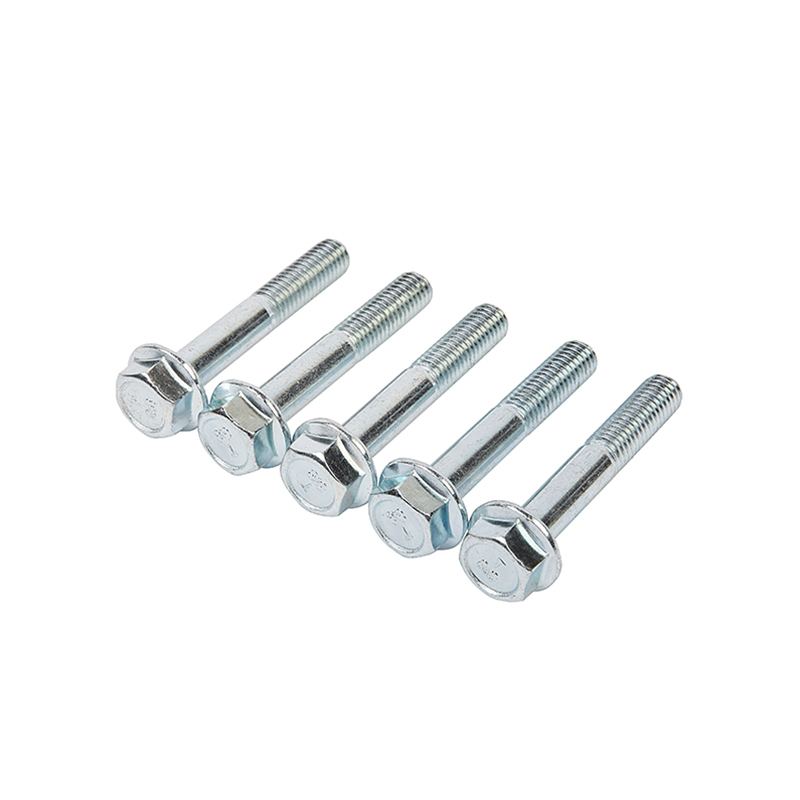
Head styles also differ. Hex flange bolts remain common for general assembly work, offering good wrench access even in tighter spaces than a standard hex bolt might allow, since the flange itself sometimes doubles as a visual reference point for alignment. Some manufacturers produce flange bolts [in metric and imperial sizes] to serve both domestic and export markets, since buyers in different regions specify measurement systems differently.
Why Procurement Teams Choose Flange Bolts
Sourcing managers gravitate toward flange bolts for a few practical reasons. Assembly speed improves when workers don't need to fumble for a separate washer. Joint reliability improves too, since the wider bearing surface distributes load more evenly and resists loosening under repeated vibration cycles — a common failure point in equipment that runs continuously.
For manufacturers supplying OEM and ODM clients, flange bolts also offer flexibility. Custom lengths, head markings, and coating options let suppliers match a buyer's exact specification without redesigning the fastener from scratch. That responsiveness matters for clients running multiple product lines simultaneously, each with slightly different fastening requirements.
Related Products

Copyright 2024 Zhejiang Wanyu Automotive Parts Co., Ltd. All Rights Reserved
Auto Fasteners Parts Factory

Contact Us