 English
 Español
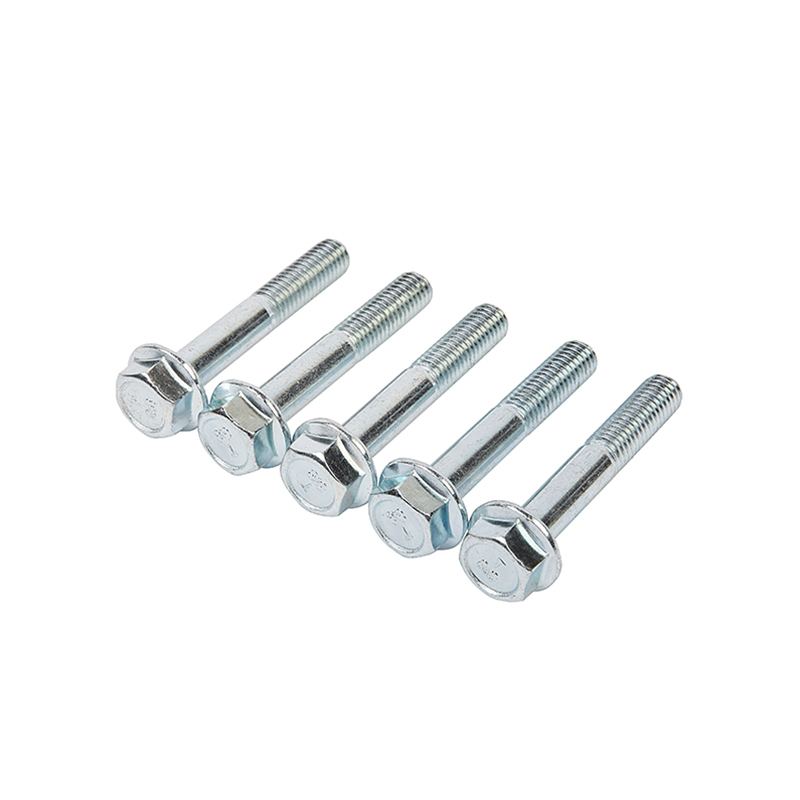
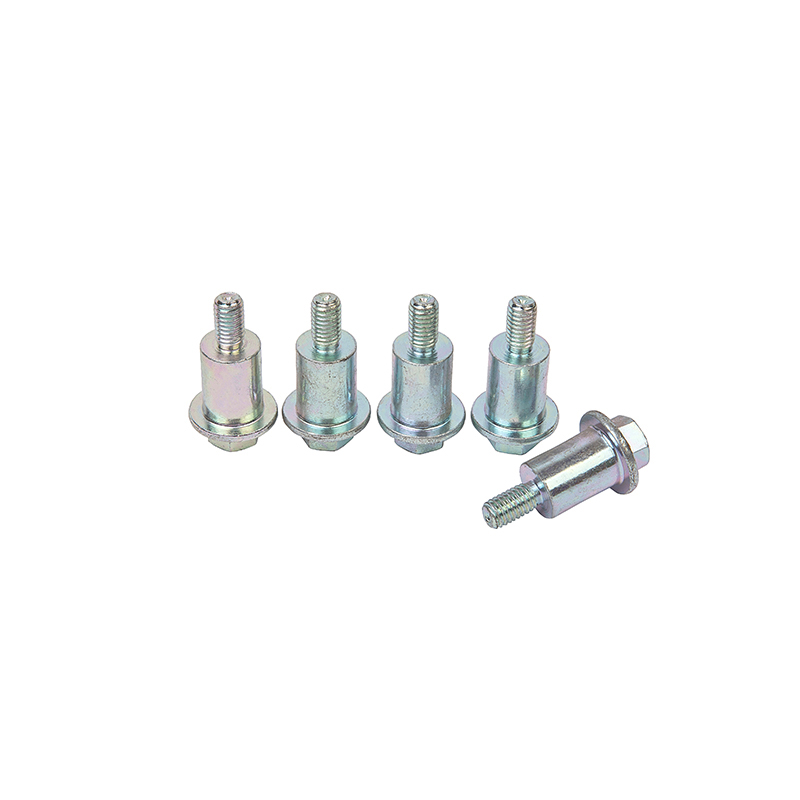
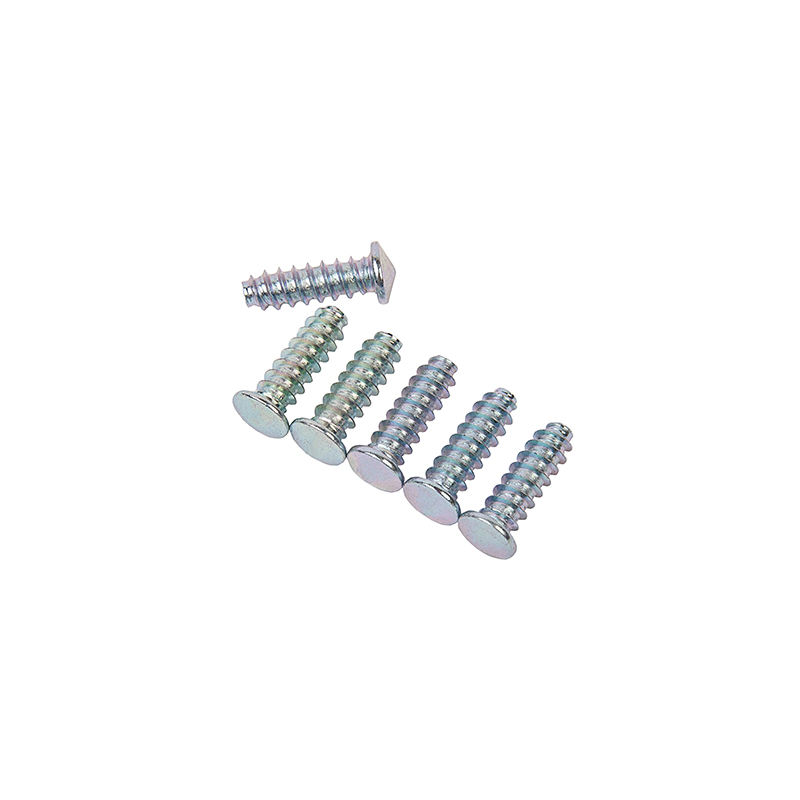
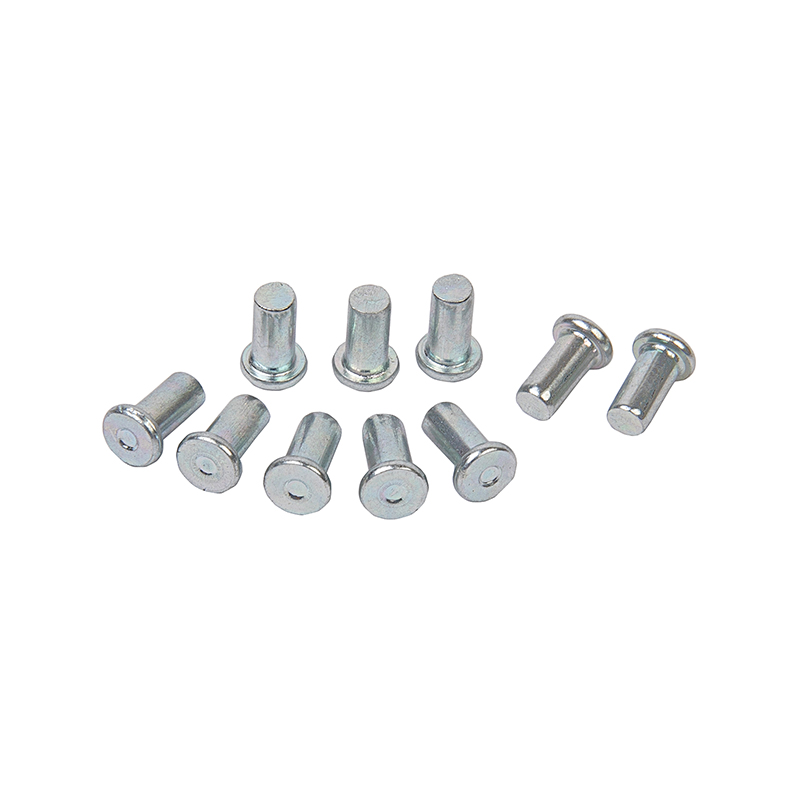
Just write us your request & we will take care of the rest.
What Are Slotting Screws Used For?
Slotting screws have become a practical choice for many builders, hobbyists, and workshop users who need reliable fastening in wood, metal, and composite materials. These fasteners stand out because of their distinctive head design and the way they engage with tools, making them useful across a range of everyday and professional tasks.
A Closer Look at the Design
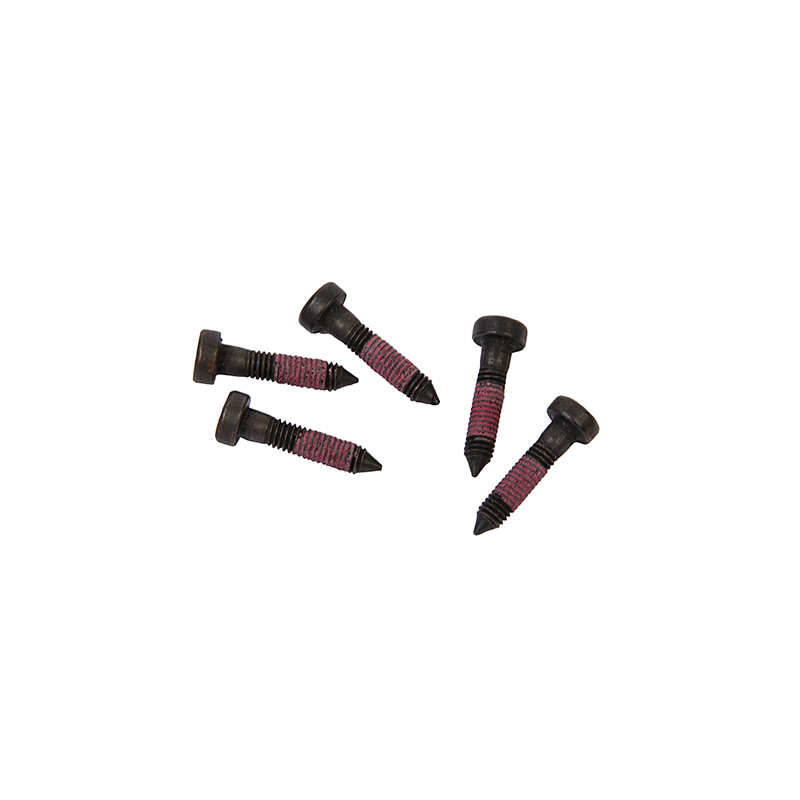
The defining feature of slotting screws is the straight groove cut across the head. This simple shape allows a flat-blade screwdriver to sit firmly in place. When the tool turns, the force transfers evenly, helping the screw drive in smoothly. Many versions also include a tapered tip that starts the hole with less effort, reducing the chance of the material splitting.
The shaft can be fully or partially threaded depending on the job. Fully threaded options hold tight in thinner pieces, while partially threaded versions pull two surfaces together more effectively. Materials range from basic steel to coated varieties that resist moisture in damp environments. Head styles vary too—some sit flush with the surface, others remain slightly raised for easier access later.
Practical Uses in Workshops and Homes
In woodworking shops, slotting screws often secure frames, cabinets, and furniture joints. Their straightforward drive system means a common screwdriver is usually enough, so specialized bits are not always required. Hobbyists building model kits or small storage units appreciate how quickly these screws can be inserted and removed during adjustments.
Metal fabricators sometimes turn to them for light-duty assemblies where high torque is not needed. Sheet-metal covers, brackets, and access panels frequently rely on slotting screws because the heads can be tightened by hand or with basic tools. In home repair work, they prove handy for fixing loose hinges, attaching baseboards, or reassembling household items that see regular use.
Everyday Scenarios Where They Shine
Picture a weekend project involving a wooden workbench. Slotting screws can fasten the stretchers and top quickly, allowing the builder to check alignment and make changes before final tightening. In a kitchen renovation, they secure cabinet face frames or attach decorative trim. Garage organizers built from plywood rely on them to hold shelves and side panels firmly in place.
Even temporary setups benefit. Exhibition displays, temporary partitions, and stage props often use slotting screws because they can be installed and removed repeatedly with minimal wear on the material. The open slot also makes visual inspection simple—users can see at a glance whether the head is fully seated.
Material Choices and Surface Finishes
Steel remains the common base material, offering solid strength for general use. Stainless versions appear in areas exposed to humidity, such as bathrooms or outdoor covered spaces. Brass options provide a warmer appearance for visible furniture joints. Coatings add further protection: zinc plating helps against light corrosion, while black-oxide finishes reduce glare and blend with darker surfaces.
Matching the finish to the project improves both function and appearance. A polished brass screw on light oak creates a classic look, while a black-coated version disappears against painted metal. These small details help the finished work look intentional rather than purely functional.
Selecting the Right Size and Quantity
Length should allow the threaded portion to engage enough material for a secure hold—usually at least two-thirds of the screw’s length in the receiving piece. Diameter influences holding power; thicker screws resist pull-out better in softer materials. Counting the number of connection points and adding a few extras ensures the project can be completed without interruption.
Many users keep a small assortment of Slotting Screws sorted by size in labeled containers. This habit saves time when a similar task arises later. Checking the slot condition on reused Slotting Screws is also wise; a worn groove can make future removal difficult.
Related Products

Copyright 2024 Zhejiang Wanyu Automotive Parts Co., Ltd. All Rights Reserved
Auto Fasteners Parts Factory

Contact Us