 English
 Español
Just write us your request & we will take care of the rest.
Hexagon Bolts Head and Thread Basics
Design Features That Support Secure Joining
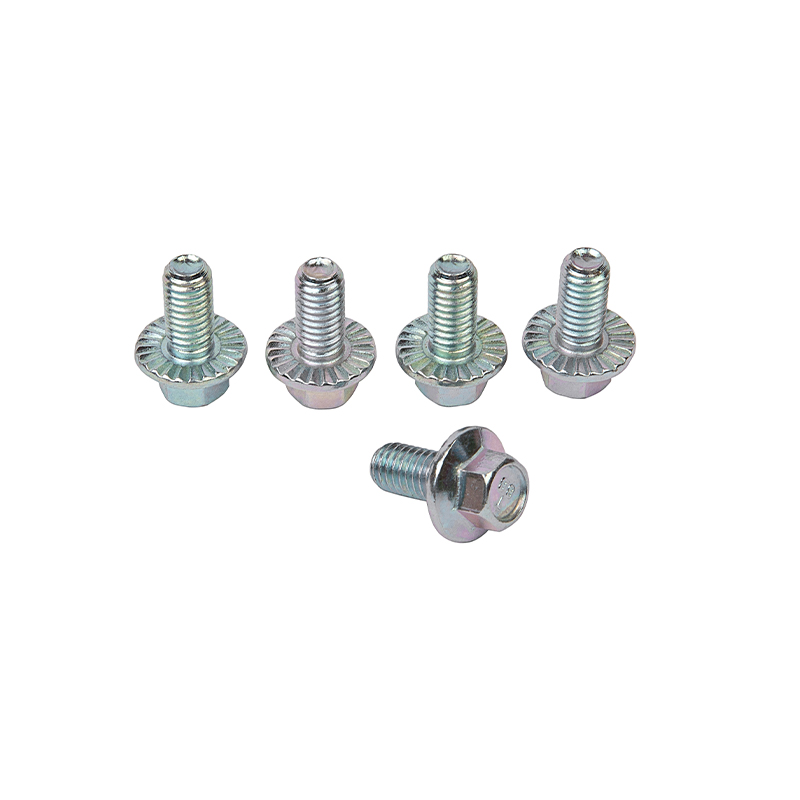
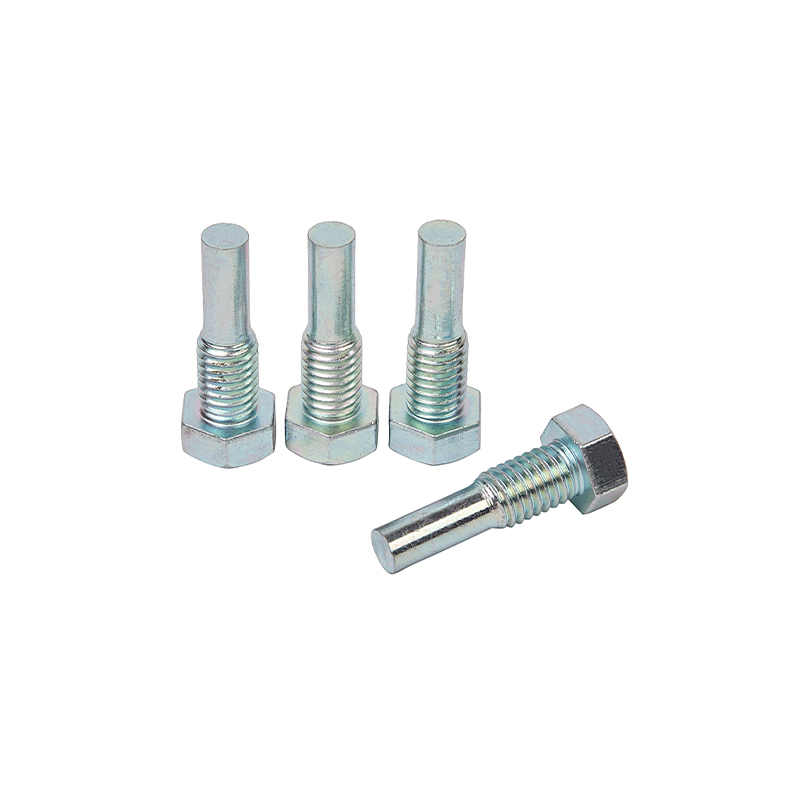
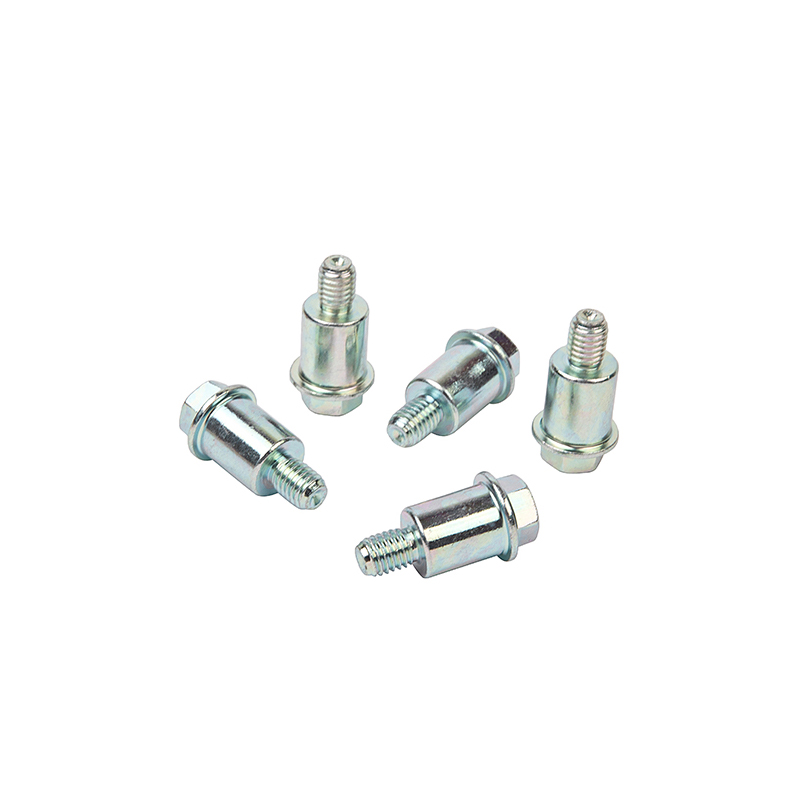
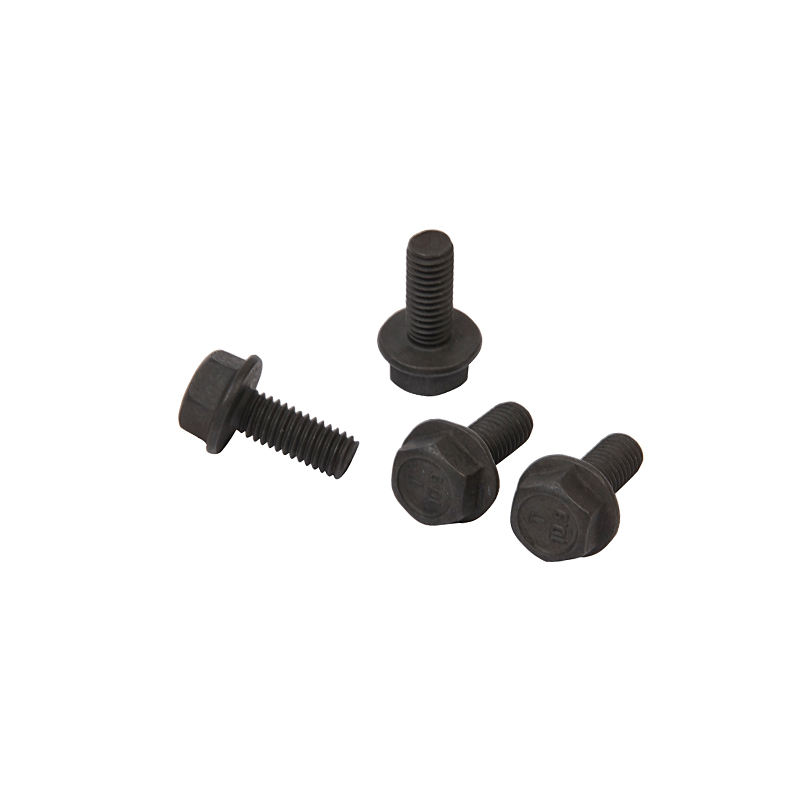
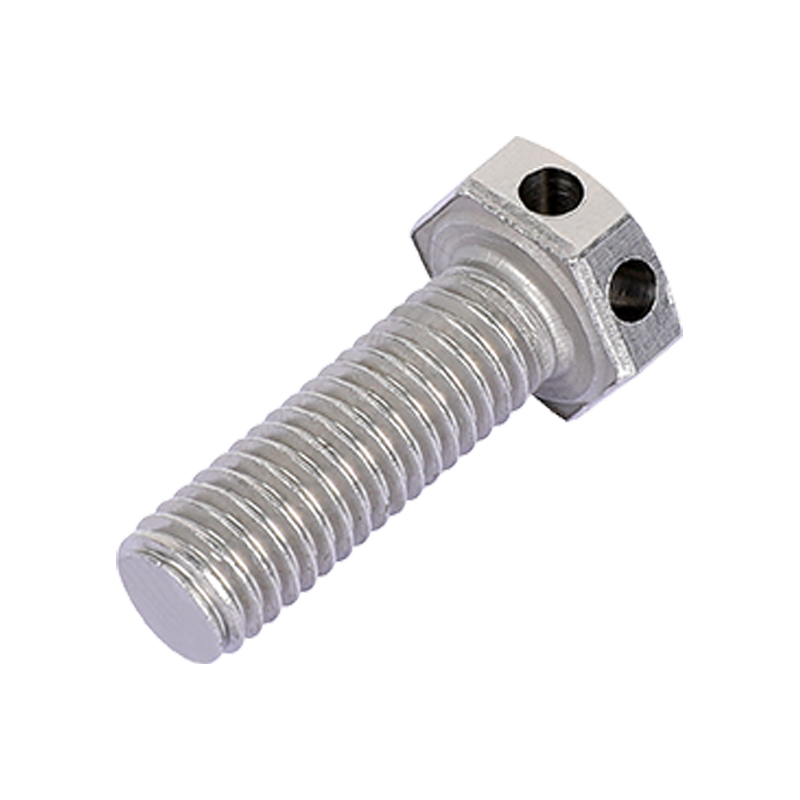
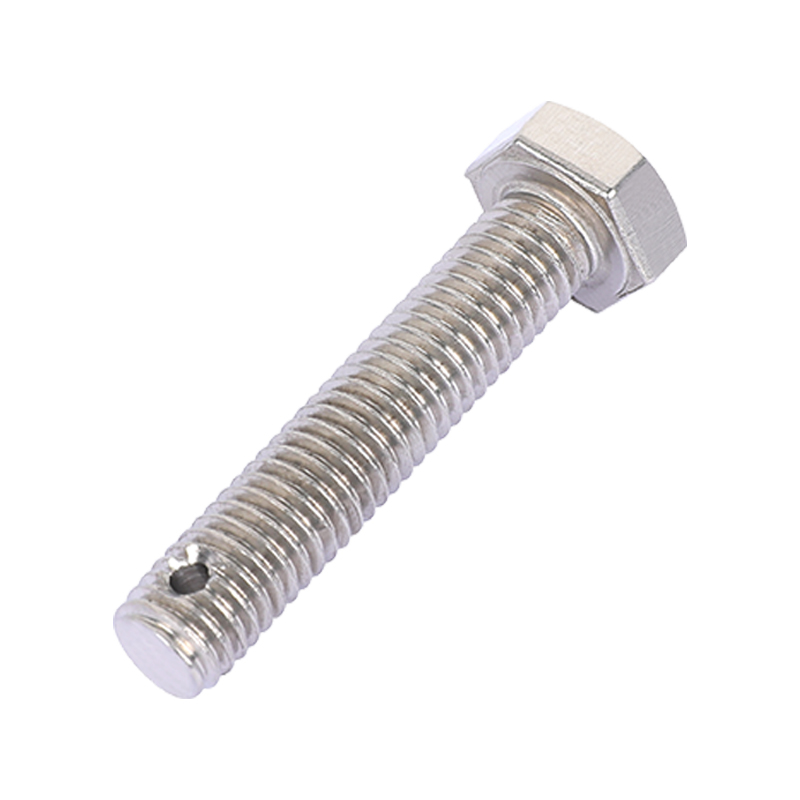
A typical hexagon bolt consists of a head, a cylindrical shank, and a threaded section. The head’s six flat sides give a wrench clear purchase from multiple angles. The shank can be fully threaded or partially threaded, depending on the application. Partial threading leaves a smooth portion under the head that bears against the surface of the top material, while the threads engage the nut or the receiving hole.
Materials vary according to the required strength and environment. Steel grades are widely used for general purposes. Other versions may include coatings that help resist corrosion in damp or outdoor settings. Diameter and length are chosen to match the thickness of the parts being joined and the load they will carry.
Here are two groups of characteristics that define these fasteners:
- Six-sided heads that accept standard wrenches and sockets
- Threaded shafts that pair with nuts or tapped holes to create clamping force
These elements work together to produce a strong, adjustable joint.
How Hexagon Bolts Function in Practice
Installation follows a straightforward sequence. Holes are aligned in the parts to be joined. The bolt passes through the holes, and a nut is threaded onto the free end. As the nut turns, it draws the parts together. A washer is often placed under the nut or the head to spread the load and protect the surface. Once the desired tightness is reached, the joint holds the components in position.
The hexagonal shape offers an advantage during both assembly and later adjustment. A wrench can approach the head from several directions, which is useful in tight spaces. The same tool can also loosen the bolt when parts need to be separated or repositioned. This reversibility makes hexagon bolts practical for assemblies that may require occasional access.
Different sizes suit different tasks. Smaller diameters appear in lighter equipment and fixtures. Larger diameters handle heavier structural loads. The pitch of the thread—the distance between each ridge—also varies, affecting how finely the clamping force can be controlled.
Everyday Applications Across Equipment
In machinery the bolts secure housings, brackets, and moving-part supports. On vehicles they hold engine components, chassis sections, and body panels. In building work they join steel frames, wooden beams, and equipment mounts. Even in simpler settings such as shelving or workbenches, hexagon bolts provide a dependable way to keep parts aligned and stable.
The combination of bolt and nut creates a joint that can be tightened to a specific level. This controlled force helps prevent parts from shifting under normal operating loads. When the assembly is designed with the correct bolt size and grade, the connection remains secure through repeated use.
Here are two practical notes that describe common handling:
- Pair the bolt with a matching nut and washer for even load distribution
- Select diameter and length according to the thickness and load of the joined parts
These choices keep the fastening system consistent and reliable.
A Familiar Presence in Assembly Work
Hexagon bolts settle into daily routines in workshops and on site. Workers reach for them when frames need joining, covers need securing, or components need precise positioning. The familiar six-sided head and the clear action of thread and nut make the process predictable. Once installed, the bolts remain in place, quietly maintaining the integrity of the assembly.
Over time people who work with these fasteners develop a sense for the right size and tightness for each job. The same basic form adapts to many situations simply by changing diameter, length, or material. That adaptability explains why hexagon bolts continue to appear in so many different pieces of equipment and structures.
Related Products

Copyright 2024 Zhejiang Wanyu Automotive Parts Co., Ltd. All Rights Reserved
Auto Fasteners Parts Factory

Contact Us